Before starting any treatment, wouldn’t you want to know what’s going into your body and why?
Especially when it comes to something as personal as fertility, understanding your options gives you the power to make informed decisions. One of the most important things to learn about is in vitro fertilization medications.
Of course, your doctor will guide you through the process. But let’s be honest, there’s a sea of information online, and not all of it is accurate. That’s why it’s essential to begin with the basics and always consult with your fertility specialist. When you know the purpose of each step, including why in vitro fertilization medications are used, your journey becomes a little less overwhelming.
Thanks to modern medical science, many fertility issues now have real solutions. Some women can’t conceive naturally, but that doesn’t mean motherhood is out of reach. Treatments like IUI (intrauterine insemination), ICSI (intracytoplasmic sperm injection), and FET (frozen embryo transfer) have helped millions. But at the heart of many fertility journeys lies IVF and more specifically, the carefully chosen in vitro fertilization medications that make it work.
In this blog, we’ll walk you through what these medications are, why they matter, and how they play a vital role in improving your chances of pregnancy. If you’re planning or considering IVF, understanding in vitro fertilization medications is one of the smartest things you can do.
What is IVF?

In vitro fertilization (IVF) is a type of assisted reproductive technology that helps individuals and couples achieve pregnancy. It involves a carefully planned cycle of treatments that includes multiple steps, and each of those steps is supported by specific in vitro fertilization medications.
Yes, it can feel like a lot to take in. With so many medications and schedules, it’s easy to feel overwhelmed or confused. But understanding how in vitro fertilization medications work and why they are used is a powerful way to stay confident and informed throughout your journey.
What are the steps of an IVF cycle?

Every IVF journey is unique, but most IVF cycles follow a similar set of steps. Each stage plays a key role in preparing your body and increasing the chances of a successful pregnancy. Throughout the IVF process, various in vitro fertilization medications are used to support and control each step.
Here is a simplified breakdown of the typical IVF cycle:
- Stimulating the ovaries to develop multiple mature eggs using in vitro fertilization medications
- Preventing early ovulation so the eggs do not release too soon
- Triggering the ovaries to release the mature eggs at the right time
- Retrieving the eggs in a gentle and precise outpatient procedure
- Fertilizing the eggs with sperm in a laboratory
- Transferring the healthy embryo into the uterus (this can be done as a fresh transfer within days, or as a frozen transfer about a month later)
At every phase, in vitro fertilization medications are tailored to your body’s response to help improve success rates and make the process as smooth as possible.
A step-by-step guide to IVF and the in vitro fertilization medications used at each stage
Step 1. Medications that stimulate the ovaries to produce mature eggs
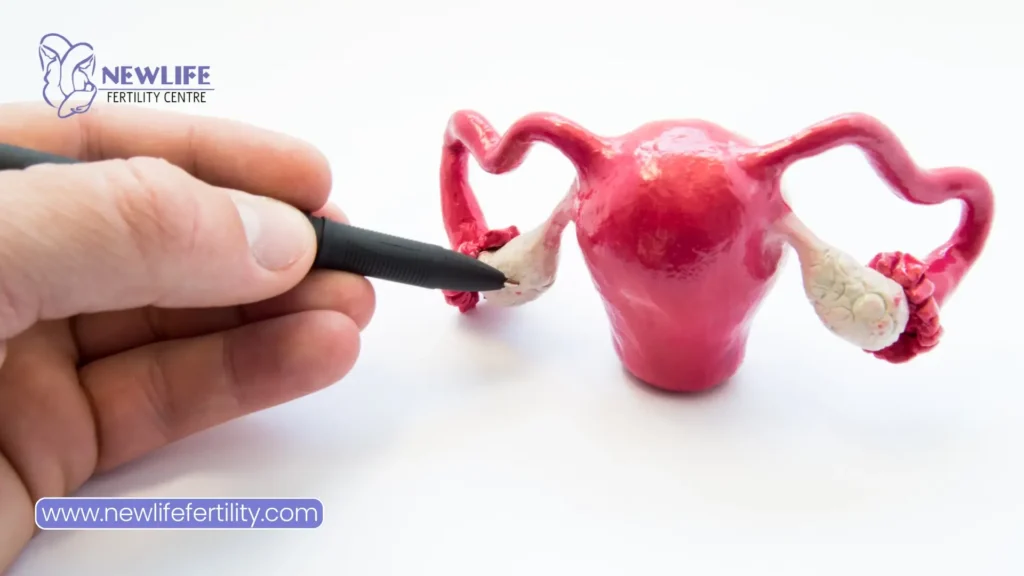
Common in vitro fertilization medications used in this step:
- Gonal-F (follitropin alfa)
- Follistim AQ (follitropin beta)
- Menopur (menotropins)
These drugs mimic follicle-stimulating hormone (FSH) to promote the development of multiple follicles. Gonal-F and Follistim are synthetic FSH, while Menopur contains both FSH and luteinizing hormone (LH), derived from urine.
All are injectable in vitro fertilization medications, taken once daily at the same time. Side effects may include abdominal pain, headaches, and injection site reactions. Monitoring is essential to prevent ovarian hyperstimulation syndrome (OHSS).
Step 2. Medications to prevent early egg release

Your body naturally releases eggs when follicles mature, but this needs to be controlled during IVF. Suppression in vitro fertilization medications block gonadotropin-releasing hormone (GnRH).
Common suppression medications:
- Cetrotide (cetrorelix)
- Ganirelix (Fyremadel)
- Leuprolide (Lupron)
GnRH antagonists like Cetrotide and Ganirelix start around day 4–6 of stimulation. Leuprolide is a GnRH agonist used off-label. It is sometimes preferred in patients with low follicle counts or prior failed IVF cycles.
Side effects include mood swings, hot flashes, and injection site irritation.
Step 3. Trigger medications to release mature eggs

When follicles are ready, your provider will instruct you to take a trigger shot, timing is critical here.
Common trigger in vitro fertilization medications include:
- Novarel and pregnyl (HCG)
- Ovidrel (choriogonadotropin alfa)
- Leuprolide (used differently if not already administered earlier
Side effects may include mild stomach discomfort and nausea. After this injection, your fertility provider will retrieve your eggs and proceed to fertilization.
Step 4 and 5. Egg retrieval and fertilization

These steps typically do not require additional in vitro fertilization medications. Eggs are retrieved and fertilized in a lab setting to form embryos.
Step 6. Embryo transfer medications

Whether you’re having a fresh or frozen embryo transfer, you’ll need more in vitro fertilization medications to prepare your uterus.
Fresh embryo transfer usually requires progesterone to support the uterine lining.
Common medications:
- Crinone (vaginal gel)
- Endometrin (vaginal tablets)
- Milprosa (vaginal ring)
- Progesterone in oil (injection)
- Prometrium (capsules)
Injectable and vaginal options are available. Side effects may include vaginal irritation or soreness at the injection site.
Frozen embryo may involve more steps to prepare your body, such as:
- Birth control pills
- Leuprolide
- Estrogen in tablets, patches, or injections
- Progesterone as listed above
Some providers may also offer a “natural” frozen embryo transfer, where timing is based on your body’s own cycle rather than medication.
Additional in vitro fertilization medications that may be used in certain IVF protocols

Not all IVF cycles follow the same pattern. Depending on your fertility history and response to treatment, your specialist may recommend additional or compounded in vitro fertilization medications to enhance your cycle’s success. These medications are not standard for every IVF plan but can be valuable in specific situations.
Here are some IVF-specific add-ons you might encounter:
- Clomid (clomiphene) or Femara (letrozole): Though commonly used in natural conception or IUI cycles, these oral medications may also be used in IVF to gently stimulate follicle development in low-dose or minimal stimulation IVF protocols.
- HCG dilution: A compounded, low-dose form of HCG (different from the trigger dose) sometimes added early in the IVF cycle to support follicular growth when traditional FSH stimulation alone isn’t sufficient.
- Leuprolide dilution: A microdosed version of leuprolide used for extended suppression before ovarian stimulation begins, especially in cycles requiring more precise hormonal control.
- Sildenafil vaginal suppositories: Compounded sildenafil (commonly known as Viagra) may be used to increase blood flow to the uterus, potentially improving the endometrial lining for implantation.
These less-common in vitro fertilization medications are usually customized based on your individual response or prior treatment outcomes. Your fertility team will determine whether these specialized options fit your IVF journey.
How to save on the cost of in vitro fertilization medications

Paying for in vitro fertilization medications can feel like an uphill battle, but smart planning can shrink the bill. Below are practical ways to bring the cost down without compromising care. Each tip focuses on stretching every rupee or dollar while keeping your treatment on track.
1. Compare specialty pharmacies

In vitro fertilization medications usually ship from temperature-controlled, specialty pharmacies. Prices vary widely, so ask your clinic for its preferred partners, then call at least two other pharmacies for quotes. A few extra calls can uncover discounts that trim thousands from the final total.
2. Use GoodRx coupons

Before buying any in vitro fertilization medications, visit GoodRx to see if free coupons are available. Many families have hundreds or even thousands off FSH injectables, progesterone, or trigger shots with a simple printable or digital coupon code.
3. Talk openly about cost with your clinic

Let your fertility team know if the budget is tight. They may adjust dosages, recommend lower-cost in vitro fertilization medications, or connect you to clinic-specific savings programs. Open communication often unlocks hidden financial help.
4. Verify partial insurance coverage

Even if your plan excludes IVF, some in vitro fertilization medications, like estradiol patches, progesterone injections, or HCG triggers, might still be covered. Call your insurer with each drug’s exact name and National Drug Code (NDC) to confirm benefits before paying cash.
5. Tap HSA or FSA funds

Health savings accounts and flexible spending accounts usually cover in vitro fertilization medications. Using pre-tax dollars can lower the effective cost by 20 percent or more, depending on your tax bracket.
6. Explore pharmaceutical assistance and grant

Drug makers and nonprofit foundations offer grants, rebates, or sliding-scale programs for in vitro fertilization medications. Search national fertility charities and the manufacturers’ patient-assistance pages early, since spots can be limited.
7. Ask about compounded alternatives

For certain protocols, compounded pharmacies can prepare lower-cost versions of standard in vitro fertilization medications such as leuprolide dilution or HCG dilution. Always confirm quality and safety with your specialist before switching.
By combining two or three of these strategies, many patients slash the out-of-pocket cost of in vitro fertilization medications and keep their family-building journey on budget.
Understanding IVF medications: Why they matter in your fertility journey

A brief intro about the purpose of using medications in IVF.
- Ovarian stimulation medications
Stimulating the ovaries to produce multiple mature follicles for egg retrieval. - Medications to mature eggs
Preparing follicles for egg retrieval using hCG or similar medications. - Medications to prevent premature ovulation
Controlling the natural cycle to prevent early release of eggs. - Medications to support the uterine lining
Enhancing endometrial thickness for better embryo implantation outcomes. - Types of gonadotropins used in IVF
Follicle-stimulating hormone (FSH), luteinizing hormone (LH), and human chorionic gonadotropin (hCG)-based injectable medications that support follicle development. - GnRH agonists in IVF
Suppressing natural hormones to regulate follicle growth and ovulation timing. - GnRH antagonists in IVF
Fast-acting medications that prevent premature ovulation by blocking hormone surges. - Progesterone supplementation after retrieval
Maintaining the uterine environment for embryo implantation and early pregnancy. - The role of estrogen in IVF
Supporting follicle growth and uterine lining thickening during In vitro fertilization (IVF) or frozen embryo transfer (FET) - How androgens may support follicle development
When testosterone gels like AstroGel are used to improve ovarian response.
Other commonly used IVF medications include birth control, antibiotics, Parlodel, Clomid, and dexamethasone.
Known risks and common side effects of IVF medications

It is essential to be informed about the possible risks and side effects associated with in vitro fertilization medications. While IVF is generally considered safe, some medications can cause complications in rare cases. Understanding these risks can help patients recognize early warning signs and seek timely medical intervention.
1. Ovarian hyperstimulation syndrome (OHSS)
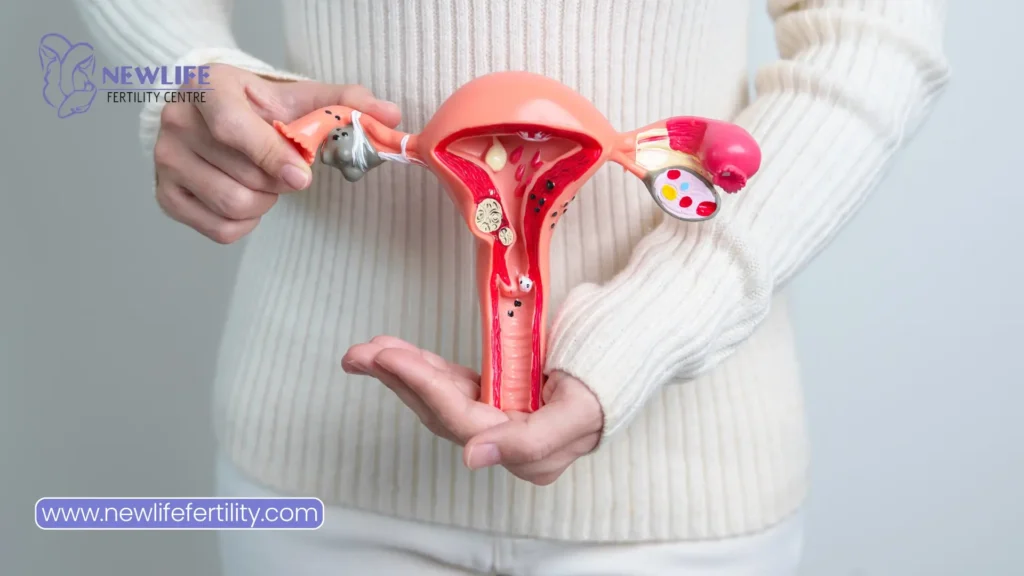
One of the rare but serious complications of IVF treatment is ovarian hyperstimulation syndrome (OHSS). This condition occurs when the ovaries become swollen and painful due to an excessive response to injectable in vitro fertilization medications. OHSS symptoms typically start within the first week of taking hormone injections and may persist beyond egg retrieval.
Mild to moderate OHSS symptoms may include:
- Abdominal pain or bloating
- Nausea or vomiting
Severe OHSS symptoms may include:
- Rapid weight gain (more than 2.2 pounds in 24 hours)
- Severe abdominal pain
- Shortness of breath
- Vomiting and blood clots
If untreated, OHSS can lead to ovarian torsion, kidney failure, and in rare cases, death. To prevent OHSS, fertility specialists monitor hormone levels closely and adjust in vitro fertilization medications accordingly.
2. Risk of multiple pregnancies

IVF increases the chances of multiple pregnancies (twins or more), especially when more than one embryo is transferred. Multiple pregnancies are considered high-risk due to a greater likelihood of:
- Preterm labor and delivery
- Low birth weight
- Health concerns such as cerebral palsy, learning difficulties, and intestinal infections
Mothers may also experience complications like gestational diabetes, increased risk of C-section, and postpartum hemorrhage. To reduce this risk, many clinics recommend single embryo transfer (SET), which involves transferring only one embryo during an IVF cycle.
Benefits of single embryo transfer include:
- More than 50% reduction in low birthweight cases
- Over 50% fewer NICU admissions
- More than 80% shorter hospital stays
Single embryo transfer also lowers the need for selective reduction and improves the likelihood of a healthy pregnancy while keeping overall costs lower.
3. Ectopic pregnancy
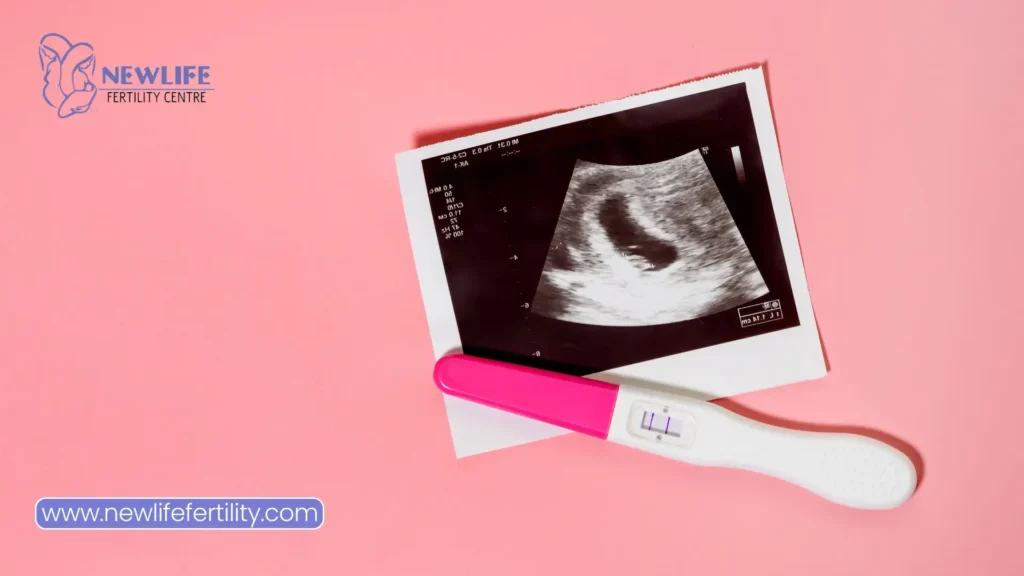
There is a small risk (2–5%) of ectopic pregnancy during IVF treatment. An ectopic pregnancy occurs when the embryo implants outside the uterus, usually in the fallopian tube. This condition cannot result in a viable pregnancy and must be treated immediately through medication or surgery.
Signs of ectopic pregnancy include:
- Sharp or stabbing pelvic pain
- Vaginal spotting
- Dizziness or fainting
- Low back pain or low blood pressure
Risk factors include advanced maternal age, smoking, and a history of tubal surgery. If any symptoms occur, immediate medical attention is essential.
Bleeding or infection during egg retrieval
During egg retrieval, aspirating needles are used to collect eggs from the follicles. This carries a small risk of:
- Bleeding or spotting
- Damage to nearby organs such as the bowel, bladder, or blood vessels
- Pelvic infection
Most side effects are minor, but if bleeding becomes heavy or an infection occurs, antibiotics or hospitalization may be required.
4. Allergic reactions

Allergic reactions to in vitro fertilization medications are uncommon but possible. Reactions are usually localized at the injection site.
Symptoms may include:
- Redness
- Itchiness
- Skin irritation
If a reaction occurs, the patient should consult their doctor for further guidance.
IVF medication administration and protocols

Administering in vitro fertilization medications correctly plays a vital role in the success of an IVF cycle. From injections to timing and monitoring, understanding the full protocol ensures your treatment stays on track.
1. Monitoring your response to IVF medications

Regular monitoring is essential throughout the IVF cycle. Bloodwork and transvaginal ultrasounds help fertility specialists measure the number and size of developing follicles. These visits typically begin a few days after starting your medications and are vital in reducing risks like ovarian hyperstimulation syndrome (OHSS).
2. Adjusting IVF medication dosage

Not everybody responds the same way to treatment. Your fertility team may adjust your in vitro fertilization medications based on how your body reacts. These dosage changes are common and are aimed at improving your response while minimizing side effects or risks.
3. Discontinuing medications

There may be reasons to discontinue IVF medications, including emotional stress, lack of funding, or a poor response to treatment. If your doctor sees that a certain medication is not effective, they may stop it and recommend an alternative course of action.
Your IVF medication journey: informed, empowered, and one step closer to parenthood
Choosing to begin IVF is a significant decision, one that brings both hope and complexity. Understanding the medications involved is more than just learning names and schedules; it’s about taking control of your fertility journey with clarity and confidence.Whether you’re at the very start of treatment or seeking answers mid-way, knowledge is your ally. Every injection, pill, and protocol plays a role in optimizing your body for success, and knowing why each medication is prescribed helps reduce stress and improve outcomes.
At NewLife Fertility Centre, we’re not just focused on medications; we’re focused on you. From your very first consultation to your last follow-up, our team ensures that your care is as unique as your path to parenthood.Still have questions? Let’s talk.
Book a free consultation today and discover how personalized fertility care, expert guidance, and a deep understanding of IVF medications can bring your family’s dreams closer to reality.