My pregnancy journey is harrowing, but I see many women enjoy it. Is it painless for them?
This is a common question many women ask during pregnancy. The truth is, sometimes pain is only in our mind, and sometimes it depends on our body condition, sensitivity, lifestyle, and overall experience. For some, pregnancy is a smooth experience, while for others, it is filled with challenges.
Pregnancy is a beautiful journey, and every woman deserves to enjoy it, whether it happens naturally or through treatments like IVF. But when we talk about IVF, one concern always comes up: is in vitro fertilization painful?
The answer is not the same for everyone. IVF involves different steps, and each step may bring a different level of discomfort. Many women wonder how painful in vitro fertilization is compared to natural conception. The reality is, some parts of the process may feel uncomfortable, such as hormone injections or egg retrieval, while other steps may be almost painless.
What truly helps is the way you prepare yourself mentally and physically. If you set your mind to accept these medical steps as part of a greater purpose, when you think it is the chance to carry a new life, the journey becomes easier. Carrying a baby is never simple, but just as women find the strength to live through period pain each month, they also discover the strength to move through IVF with courage and resilience.
Let’s understand how painful is in vitro fertilization and what happens at each stage
Understand the IVF process and what to expect along the way. This guide will help you feel prepared, informed, and more confident throughout your journey.
What is IVF?
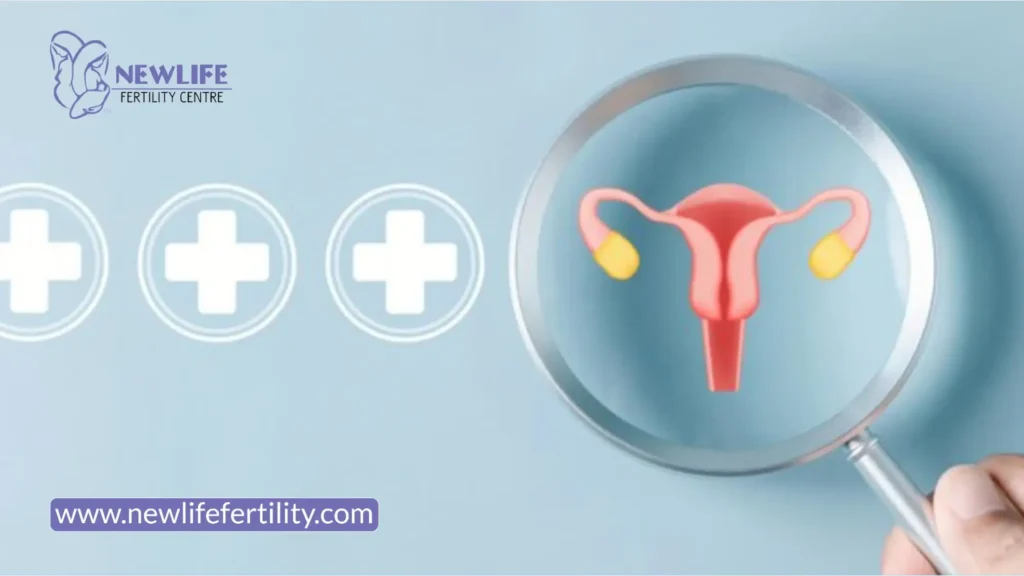
In vitro fertilization, often called IVF, is a medical procedure that helps couples or individuals facing infertility achieve pregnancy. Infertility is usually defined as not being able to conceive after a year of trying.
During IVF, eggs are retrieved from the ovaries and combined with sperm in a lab. Once fertilized, healthy embryos are transferred into the uterus.
Many people ask, “Is in vitro fertilization painful?” or “How painful is in vitro fertilization?” Some steps may cause mild discomfort, but doctors provide pain management to make the process easier.
IVF is also used to reduce the risk of passing on genetic conditions and usually takes about two to three weeks per cycle.
When will IVF become necessary?

In vitro fertilization is a treatment for infertility or genetic problems. Before choosing IVF, you and your partner may try other options that involve fewer procedures. Fertility drugs can help the ovaries produce more eggs. Intrauterine insemination places sperm directly in the uterus near ovulation to increase the chances of fertilization.
IVF may be recommended as the main treatment for infertility in people over 40 or in certain health conditions, such as:
- Fallopian tube damage or blockage: Eggs travel from the ovaries to the uterus through the fallopian tubes. Blocked or damaged tubes can prevent fertilization or embryo travel.
- Ovulation disorders: Irregular or absent ovulation reduces the number of eggs available for fertilization.
- Endometriosis: Tissue similar to the uterus lining grows outside the uterus, often affecting the ovaries, uterus, and fallopian tubes.
- Uterine fibroids: Non-cancerous tumors in the uterus can make it difficult for a fertilized egg to attach.
- Previous surgery to prevent pregnancy: IVF may help after tubal ligation if you want to conceive.
- Sperm issues: Low sperm count or abnormal sperm movement, size, or shape can prevent fertilization.
- Unexplained infertility: IVF may be used when tests cannot identify the cause of infertility.
- Genetic disorders: IVF with preimplantation genetic testing can reduce the risk of passing on certain conditions.
- Fertility preservation due to cancer or other health conditions: Eggs or embryos can be frozen before treatments like chemotherapy or radiation.
Key considerations before starting IVF
Before beginning your IVF journey, it’s important to understand the essential factors that can affect success and guide your decisions. Being well-prepared can help make the process smoother and less stressful.
- Number of embryos to transfer: Depends on age, egg quality, and fertilization success. Guidelines and legislation often limit embryo numbers to reduce the risk of multiple pregnancies.
- Handling extra embryos: Extra embryos can be frozen for future cycles, donated, or discarded. Decide your preferences beforehand.
- Managing multiple pregnancies: Implanting more than one embryo carries higher risks. In some cases, fetal reduction is considered to lower health risks.
- Use of donor eggs, sperm, or embryos: Legal and counseling guidance helps understand rights and responsibilities.
Steps and medical tests to prepare for IVF treatment

To start, choose a reputable fertility clinic. IVF success rates are influenced by factors such as the clinic’s expertise, the treatment protocol used, and individual patient circumstances like age and medical history. When speaking with a clinic, ask for detailed information about the cost of each IVF step.
Before starting a cycle with your own eggs and sperm, several screening tests are usually required:
- Ovarian reserve testing: Blood tests and ultrasounds assess the number of eggs available and predict how your ovaries will respond to fertility medications.
- Semen analysis: Examines sperm count, shape, and movement to ensure healthy fertilization potential.
- Infectious disease screening: Tests for HIV and other conditions for both partners.
- Practice embryo transfer: Determine the optimal technique and depth for placing embryos without using real embryos.
- Uterine exam: Sonohysterography or hysteroscopy checks the uterine lining for implantation readiness.
Breaking down the IVF process and what to expect at each stage
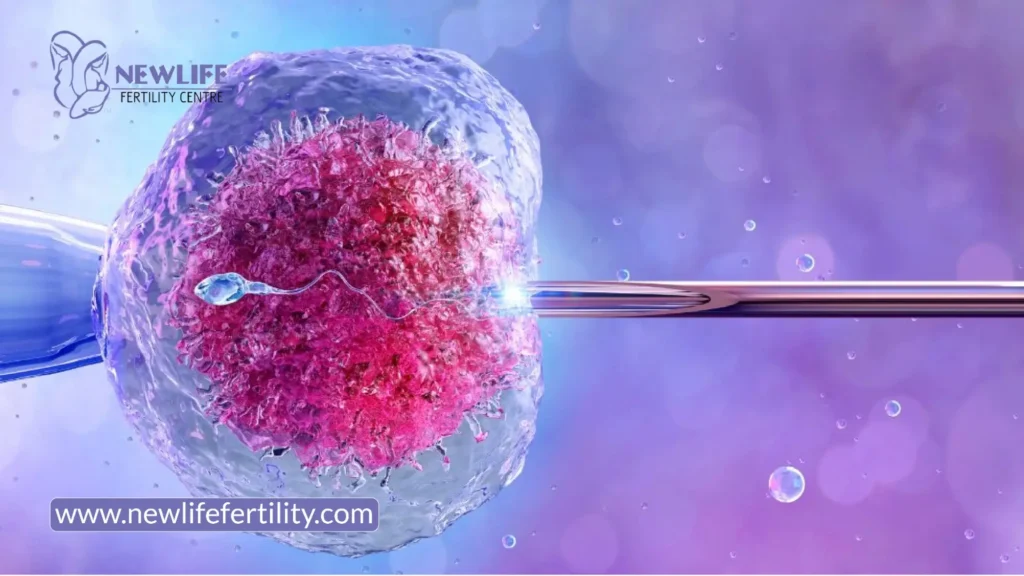
The IVF journey involves several steps, each designed to maximize the chances of a successful pregnancy. Understanding what happens at every stage can reduce anxiety and help set realistic expectations. Questions like “is in vitro fertilization painful?” or “how painful is in vitro fertilizatio?n” are common, so here’s a clear guide to the process and possible discomforts.
1. Ovarian stimulation
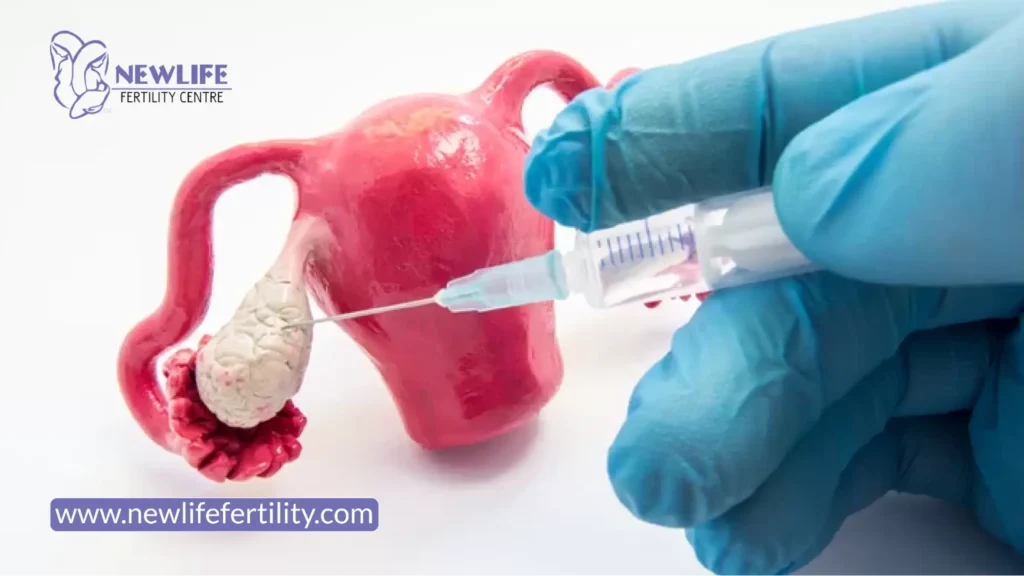
The process starts with ovarian stimulation, where fertility medications encourage the ovaries to produce multiple eggs, increasing the likelihood of success.
What to expect:
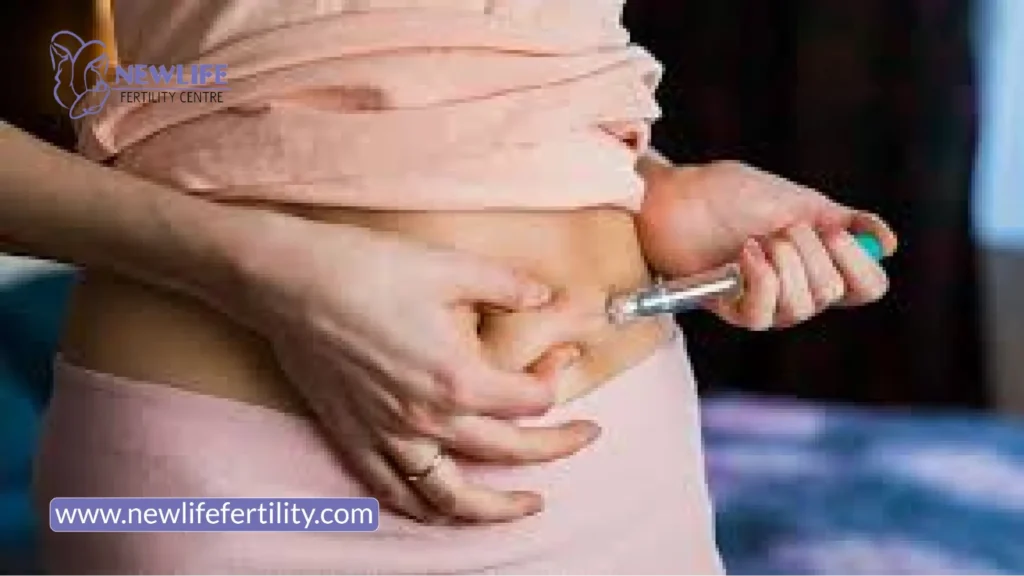
- Daily hormone injections for 8–14 days
- Regular ultrasounds and blood tests to monitor egg development
Pain or discomfort:
- Mild redness or bruising at injection sites
- Slight bloating or cramping as the ovaries enlarge
- Most injections cause minimal to no pain
Pain management tips:
- Apply ice packs before and after injections
- Follow your doctor’s injection instructions carefully
- Wear loose clothing to reduce pressure on the abdomen
2. Egg retrieval
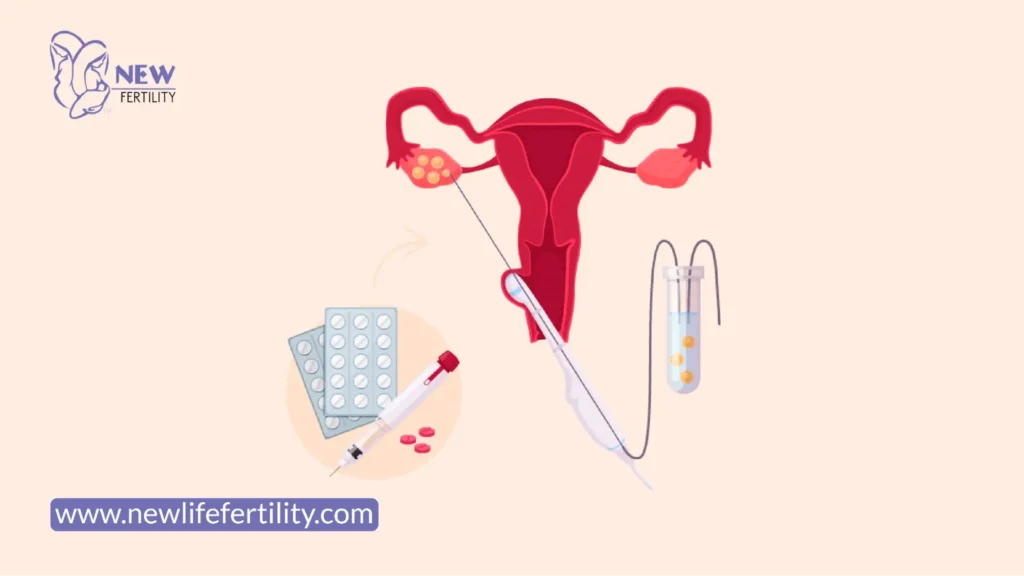
Once eggs are mature, they are collected during egg retrieval, a short procedure performed under light anesthesia or sedation.
What to expect:
- A thin needle is inserted through the vaginal wall to collect eggs
- Procedure lasts 20–30 minutes
Pain or discomfort:
- No pain during the procedure due to sedation
- Mild cramping or spotting afterward, typically lasting 24–48 hours
Pain management tips:
- Rest on the day of the procedure and avoid strenuous activity
- Stay hydrated and use a heating pad if needed
3. Fertilization and embryo development

Retrieved eggs are fertilized with sperm in the lab, and embryos are monitored for a few days to ensure healthy development.
Pain or discomfort:
- This stage is completely painless, as it occurs outside the body
4. Embryo transfer
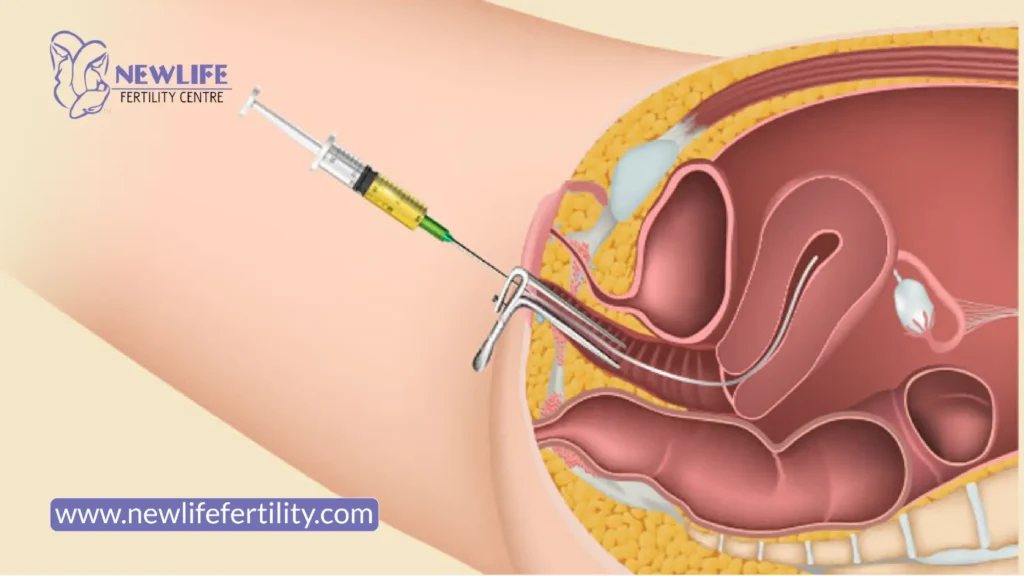
During embryo transfer, the best-quality embryo(s) are placed into the uterus using a thin catheter.
What to expect:
- Ultrasound guidance ensures precise placement
- Procedure takes 10–15 minutes
Pain or discomfort:
- Most women experience little to no pain
- Some report mild cramping or a feeling of pressure
- Pain between egg retrieval and transfer may indicate ovarian hyperstimulation syndrome (OHSS) and should be reported to your doctor
Pain management tips:
- Practice deep breathing to stay relaxed
- Follow your doctor’s instructions for rest and medications
5. Luteal phase support
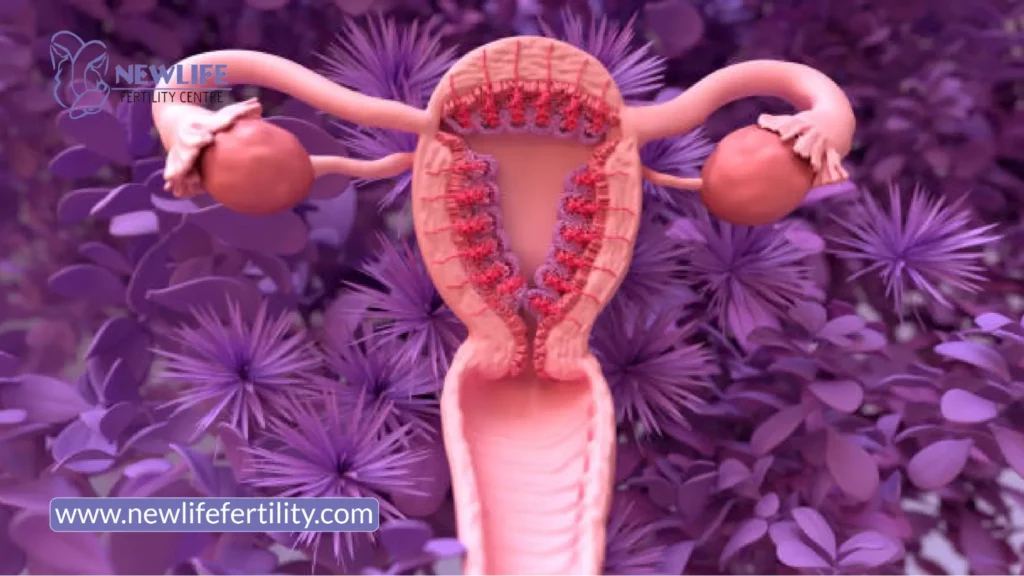
After embryo transfer, hormonal medications (usually progesterone) support implantation and early pregnancy.
Pain or discomfort:
- Side effects may include bloating, mood swings, or breast tenderness
- Injectable progesterone can cause more discomfort than vaginal progesterone, which is equally effective
Pain management tips:
- Maintain a healthy diet and light exercise to ease bloating
- Contact your doctor if you experience severe discomfort
What to expect after IVF treatment: recovery, symptoms, and next steps
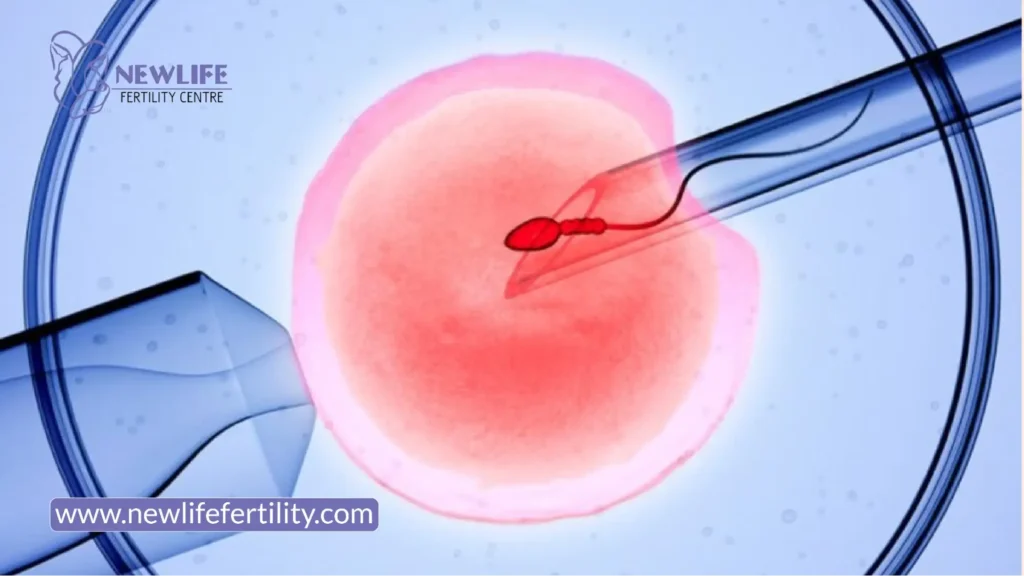
Following IVF, your body may experience mild physical and hormonal changes as it adjusts. Understanding the typical symptoms and knowing when to seek guidance can help you navigate this stage with confidence.
Common mild symptoms after embryo transfer:
- Mild bloating and cramping
- Breast tenderness from high estrogen levels
- Spotting
- Constipation
Most patients return to normal activities soon after egg retrieval, though driving is not recommended for 24 hours post-anesthesia. A blood test around 9–14 days after embryo transfer confirms pregnancy.
How IVF injections work and what to expect
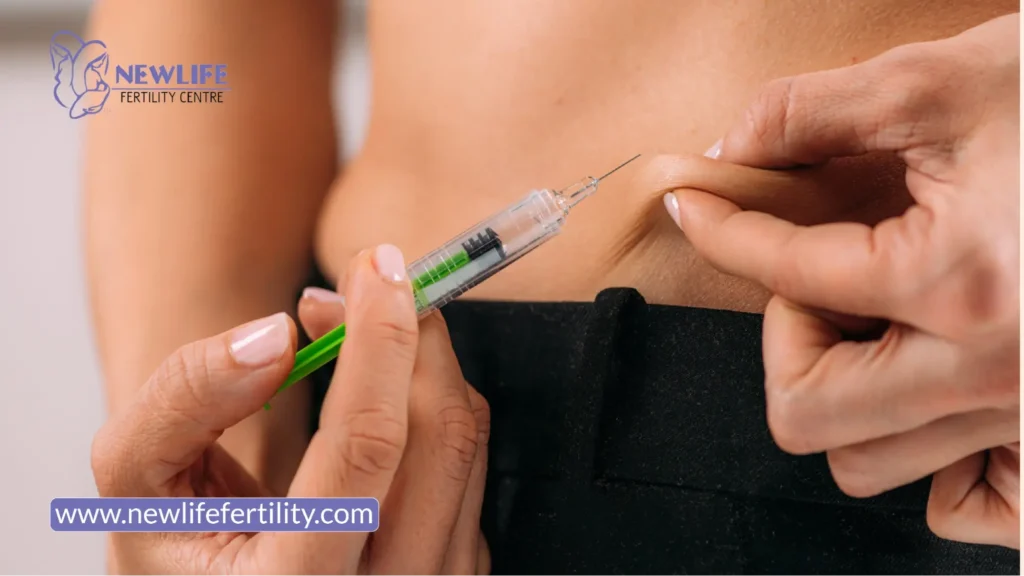
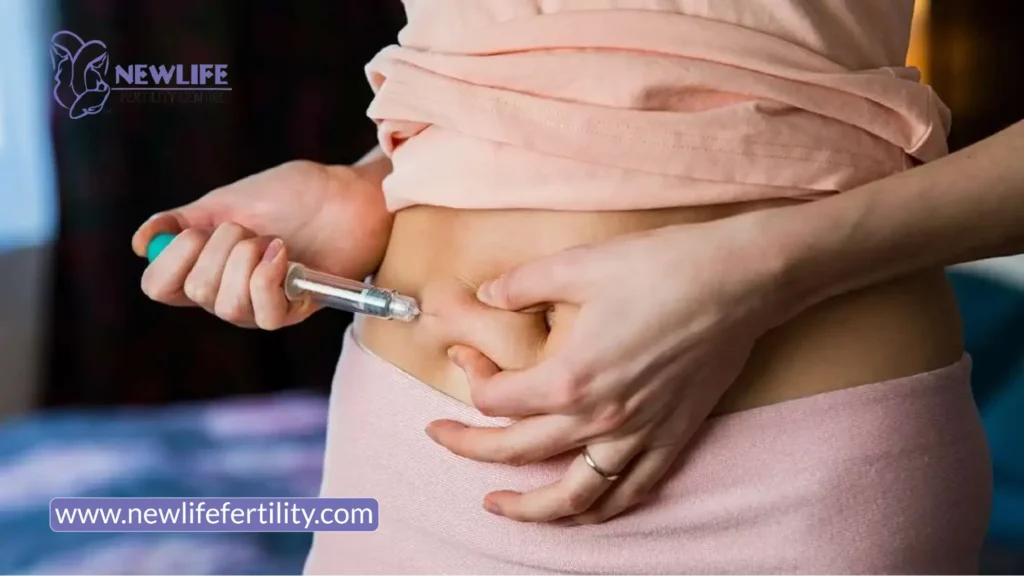
During an IVF cycle, injectable hormone medications are used to stimulate multiple eggs to mature at the same time. Your healthcare provider will decide which type of drug, the dosage, and how often you need injections. These decisions are based on your age, hormone levels, medical history, and response to any previous IVF cycles.
Typically, fertility injections are administered for 8–14 days. While the injections may cause mild discomfort at the site, most patients experience minimal pain. For those concerned about how painful is in vitro fertilization, proper injection techniques, ice packs, and guidance from your healthcare provider can make this step manageable and less stressful.
IVF medications explained: what each drug does and why it matters
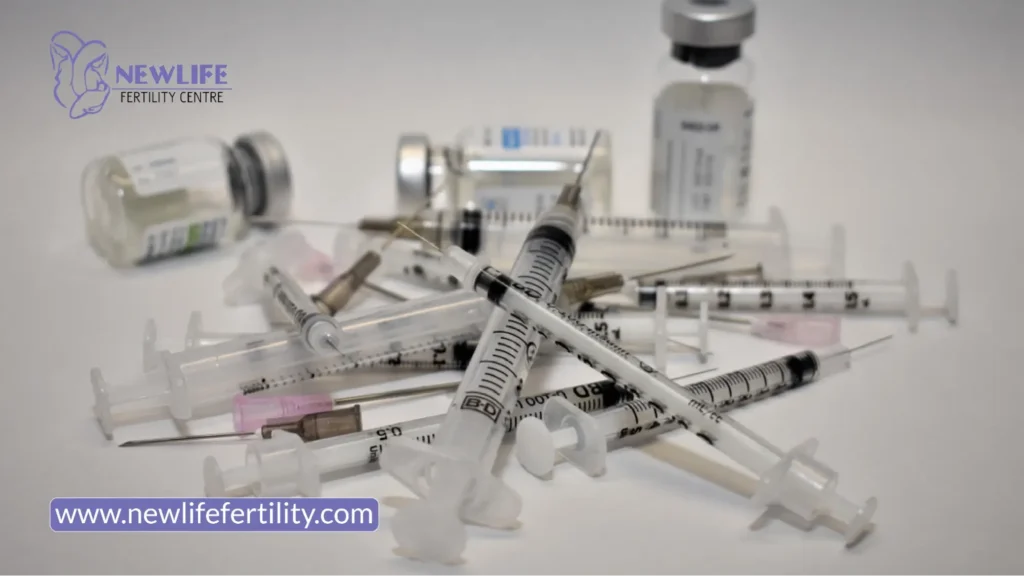
Understanding the IVF process can help reduce stress and prepare you for each stage. From medications and egg retrieval to embryo transfer, this guide explains what to expect physically and emotionally.
Certain medicines are used during IVF to prepare the body for successful fertilization and implantation:
- Stimulate the ovaries: Hormone shots such as follicle-stimulating hormone (FSH) or luteinizing hormone (LH) help multiple eggs develop at the same time.
- Help eggs mature: Human chorionic gonadotropin (HCG) or other medicines help eggs ripen and get ready for release from the ovarian follicles.
- Delay ovulation: These medicines prevent eggs from being released too soon.
- Prepare the uterine lining: Progesterone supplements help a fertilized egg attach to the uterus, either at egg retrieval or embryo transfer.
Your doctor determines which medicines to use and the timing. Most patients require 1–2 weeks of ovarian stimulation, monitored through vaginal ultrasounds and blood tests. Ultrasounds track follicle growth, and blood tests check hormone levels. Occasionally, cycles are canceled due to insufficient or excessive follicle development, early ovulation, or other medical issues. Adjustments in medicine or dosage may improve outcomes for future cycles, or an egg donor may be recommended.
Common side effects after embryo transfer and what to watch for
After an embryo transfer, your body may experience mild symptoms as it adjusts to hormonal changes. Knowing what’s typical and what requires medical attention can help you feel more confident and prepared.
These include:
- Passing a small amount of clear or bloody fluid: This can occur shortly after the procedure due to swabbing of the cervix before the embryo transfer.
- Breast tenderness: Elevated estrogen levels during IVF can cause temporary breast sensitivity.
- Mild bloating: Hormone medications and ovarian stimulation may lead to a feeling of fullness.
- Mild cramping: Some patients experience light abdominal cramps as the uterus adjusts.
- Constipation: Hormonal changes and reduced physical activity can sometimes cause constipation.
If you ask, “Is in vitro fertilization painful after embryo transfer?” Generally, discomfort is mild, but if you experience moderate or severe pain, heavy bleeding, or unusual symptoms, contact your care team immediately. These could signal complications such as infection, ovarian twisting, or ovarian hyperstimulation syndrome. Prompt medical attention ensures safe management and peace of mind.
Factors that influence IVF success
- Maternal age: Younger individuals generally have higher chances of pregnancy and delivering a healthy baby with their own eggs. People over 40 are often advised to consider donor eggs to improve success rates.
- Embryo status: Transferring more developed embryos usually increases pregnancy rates, but not all embryos survive development. Discuss your specific situation with your care team.
- Reproductive history: Those who have given birth before may have higher IVF success. Success rates decline for individuals who have had multiple unsuccessful IVF attempts.
- Cause of infertility: A normal egg supply improves chances, while severe conditions such as endometriosis may reduce success.
- Lifestyle factors: Smoking, obesity, excessive alcohol, drugs, high caffeine intake, or certain medications can lower IVF success. Smoking may reduce egg retrieval and increase miscarriage risk. Healthy lifestyle choices can improve your chances.
Understanding IVF results and factors that affect pregnancy success

IVF outcomes vary for every individual, influenced by both medical and personal factors. Knowing what affects success rates can help you make informed decisions during treatment.
About 12 days after egg retrieval, a blood test determines whether IVF has resulted in pregnancy.
- If you are pregnant, you will likely be referred to an obstetrician or pregnancy specialist for prenatal care.
- If you are not pregnant: Progesterone supplementation will stop, and your period usually starts within a week. Contact your care team if your period doesn’t arrive or if you notice unusual bleeding. If you plan to try another IVF cycle, your care team can guide you on steps to improve success.
Is in vitro fertilization painful, and how painful is in vitro fertilization?
In vitro fertilization is not usually described as very painful. Most women experience only mild discomfort, such as cramping, bloating, or light soreness during different stages of treatment. The procedures themselves are often managed with sedation or anesthesia, so severe pain is uncommon. For most, the emotional stress of the process feels heavier than the physical discomfort.
The emotional and psychological aspects of IVF and managing stress
While the physical discomfort during in vitro fertilization is usually minimal, the mental and emotional challenges can be more significant.
The IVF process involves doctor visits, hormone injections, blood tests, and ultrasounds, which can contribute to worry and tension. Even though in vitro fertilization is painful only to a limited degree physically, the emotional impact can feel stronger, making mental well-being a crucial part of the journey.
Surrounding yourself with supportive friends, family, or support groups offers encouragement and understanding. Addressing the psychological aspects of IVF alongside the physical process helps patients feel prepared, confident, and resilient throughout treatment.
Effective tips for coping with IVF-related stress and managing emotional challenges
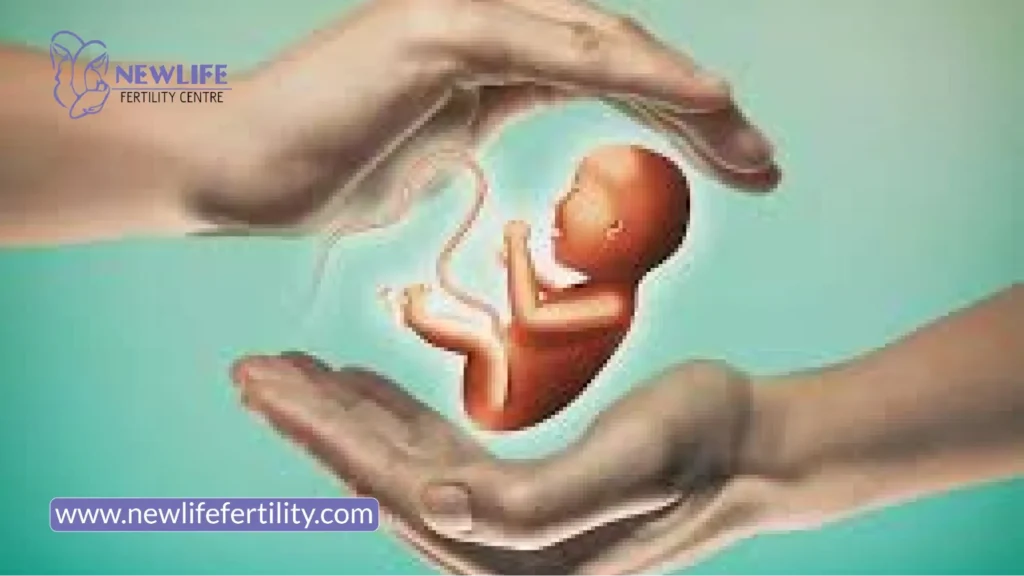
The IVF journey can be physically and emotionally demanding, and if you are thinking about how painful is in vitro fertilization is, both physically and mentally. Following these strategies can help reduce stress and support emotional well-being:
Open communication
Talk openly with your partner and healthcare team about your feelings and concerns. Discussing emotions can alleviate anxiety and ensure both of you feel supported throughout the IVF process.
Stay informed
Educate yourself about each step of IVF. Understanding the process, including what to expect and how in vitro fertilization may feel, can reduce fears and misconceptions. Don’t hesitate to ask questions or seek clarification from your healthcare providers.
Focus on self-care
Engage in activities that promote relaxation and mental well-being, such as yoga, meditation, or mindfulness practices. Maintaining a healthy lifestyle with proper nutrition, regular exercise, and sufficient sleep also supports both physical and emotional health.
Consider counseling
A mental health professional specializing in fertility issues can provide valuable support, coping strategies, and guidance on relationship challenges during IVF. Counseling can help you manage emotional stress and understand why in vitro fertilization can feel challenging emotionally.
Connect with others
Join support groups or online forums to connect with individuals or couples undergoing IVF. Sharing experiences with those who understand your journey can provide comfort, encouragement, and practical insights.
Assisted hatching in IVF and how it helps implantation
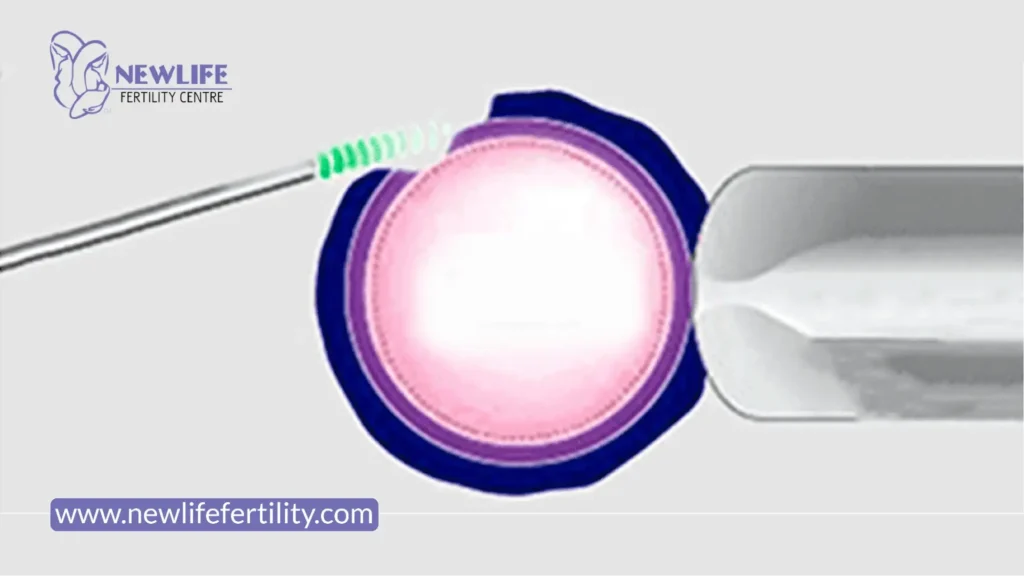
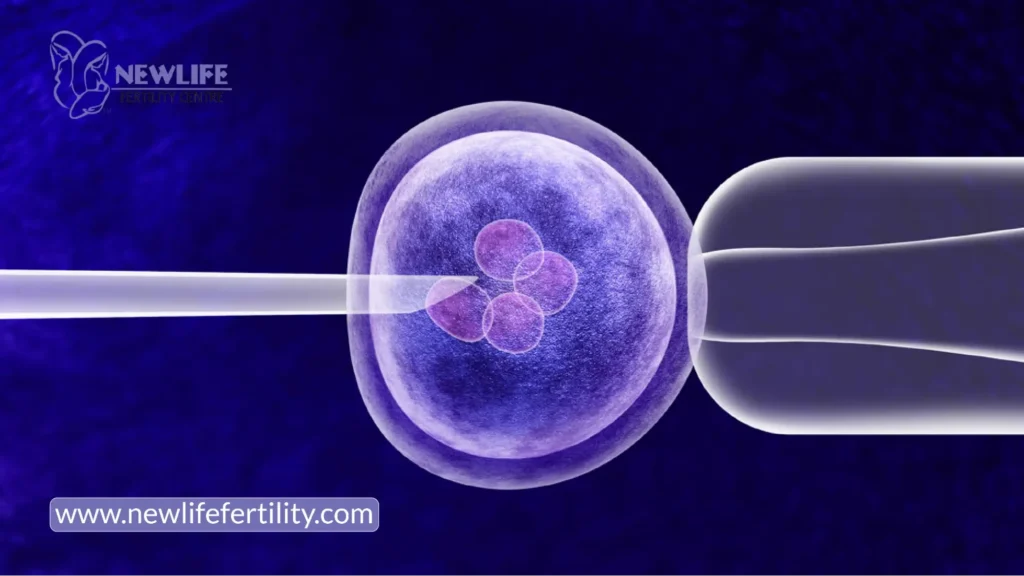
Assisted hatching is a specialized technique used during IVF to improve the chances of embryo implantation. In this process, a small hole is made in the embryo’s outer shell before it is transferred into the uterus. This opening helps the embryo “hatch” more easily from its shell, which is essential for attaching to the uterine lining and starting a pregnancy.
Assisted hatching is particularly recommended for individuals who have had multiple failed IVF cycles or for embryos that have been frozen. By giving the embryo a “head start,” this technique can enhance the likelihood of successful implantation and pregnancy.
For those wondering “is in vitro fertilization painful?”, assisted hatching is performed in the lab and is completely painless for the patient.
IVF cost and factors affecting pricing

The cost of one IVF cycle can vary widely, generally ranging from $7,000 to $15,000, not including medications, which can add another $2,000 to $5,000 per cycle. The exact cost depends on your health history, the fertility clinic, and the specific IVF protocol chosen.
Additional expenses may include donor eggs or sperm, preimplantation genetic testing, and repeat cycles. Discussing all costs with your fertility clinic beforehand can help you plan and budget effectively for your IVF journey.
Are IVF pregnancies considered high risk?

An IVF pregnancy is not automatically classified as high risk. The level of risk depends on individual health factors. IVF pregnancies may be considered higher risk if there are pre-existing medical conditions, such as advanced maternal age, high blood pressure, or if multiple embryos are implanted, resulting in a multiple pregnancy.
While the IVF process itself involves procedures and injections, many people have questions like “is in vitro fertilization painful?” or “How painful is in vitro fertilization?” Most patients experience only mild discomfort during injections and egg retrieval, and careful monitoring ensures that the pregnancy progresses safely.
Even though IVF itself does not make a pregnancy high risk, attentive care from your healthcare team is essential to support a healthy outcome for both mother and baby.
Understanding how painful in vitro fertilization is and finding the right support
The journey of IVF is often surrounded by the thought of how painful it is, but with the right care and preparation, most patients find the process manageable. While certain stages may bring mild discomfort, modern medical techniques, emotional support, and expert guidance ensure that the experience is far less overwhelming than many imagine.
At NewLife Fertility Centre, we provide advanced fertility treatments with a focus on comfort, compassion, and personalized care. Our dedicated team supports you at every stage so that you feel confident, informed, and cared for on your path to parenthood.
Take the first step toward your dream of becoming a parent with NewLife Fertility Centre. Book your free consultation today and begin your journey with clarity and trust.