“Should I do a fresh transfer now or freeze and transfer later?”
If that question has been sitting in your mind, you’re not alone.
It’s one of the most common and most stressful decisions in the IVF journey. Your doctor gave you options. You searched online. Now you probably have multiple tabs open and still feel unsure about what actually makes sense for you.
And that confusion is completely valid.
Because both options sound similar on the surface, but they work differently, and the right choice depends on your body, your treatment plan, and your timing.
So here’s what this blog will do.
I’ll break down fresh vs frozen embryo transfer in simple, clear language so you understand the real differences, success rates, and when each option is recommended.
By the end, you won’t just have information. You’ll have clarity on what to discuss with your doctor and what might be right for you.
Let’s start.
What is fresh vs frozen embryo transfer?
Just so we’re on the same page before we dive in.
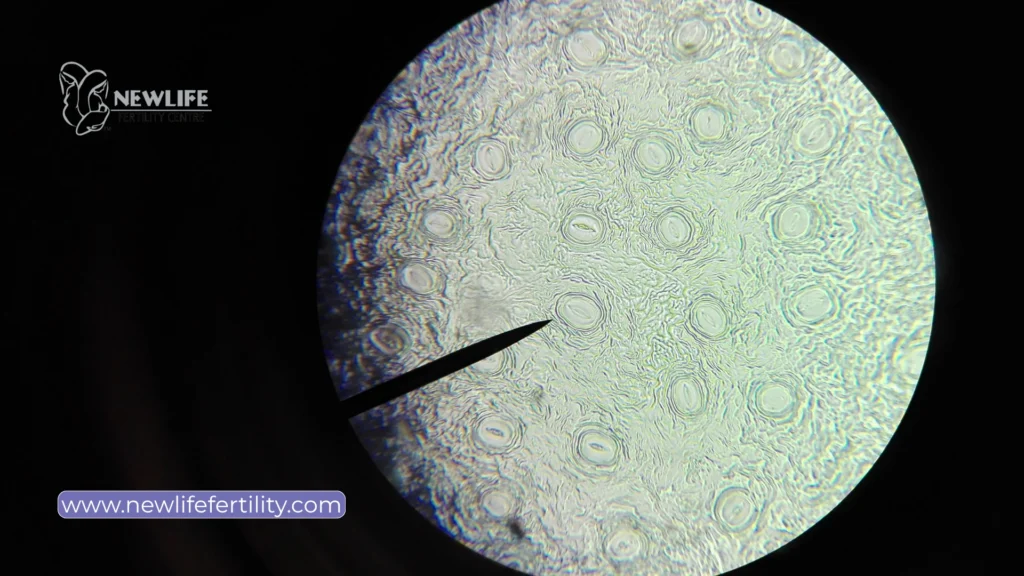
A fresh embryo transfer means the embryo is placed into your uterus in the same IVF cycle, right after your eggs are retrieved and fertilized. There is no waiting and no freezing involved.
A frozen embryo transfer, or FET, means the embryo is frozen after fertilization and transferred in a separate cycle later, sometimes weeks or even months after.
That’s the core difference. Everything else builds on this.
Key differences between fresh and frozen embryo transfer
| Factor | Fresh Embryo Transfer | Frozen Embryo Transfer (FET) |
| Timing | Happens in the same IVF cycle, usually 3 to 5 days after egg retrieval | Happens in a separate cycle, planned weeks or months later |
| Body’s condition | Body is still recovering from stimulation, hormonal shifts, and retrieval | Body has time to recover and return to a more stable state |
| Hormonal environment | Hormone levels, especially estrogen, are elevated | Hormones are more balanced and controlled |
| Flexibility | Limited, happens within the same cycle | High flexibility, can be planned based on health and timing |
| Genetic testing (PGT A) | Not possible in the same cycle | Possible, embryos can be tested before transfer |
Let’s put the two side by side so the picture is clear.
Timing
Fresh transfer happens in the same cycle as egg retrieval, usually 3 to 5 days after. Frozen transfer happens in a completely new cycle, planned separately.
Your body’s condition
After egg retrieval, your body has been through a lot, stimulation medications, hormonal shifts, and the retrieval procedure itself. A fresh transfer means your uterus receives the embryo during this phase. A frozen transfer allows your body time to recover and return to a more stable state.
Hormonal environment
In a fresh cycle, hormone levels, especially estrogen, are elevated due to stimulation. This may not always be ideal for implantation. In a frozen cycle, hormones are more balanced and controlled.
Flexibility
Frozen transfer gives you more control over timing. You can plan around your health, schedule, or additional testing. Fresh transfer happens within the same cycle, so there is less flexibility.
Genetic testing
If you plan to test embryos for chromosomal abnormalities, often called PGT A, freezing is required. This cannot be done with a fresh transfer in the same cycle.
Success rate: Fresh vs. frozen embryo transfer

Here’s the part everyone wants to know.
The honest answer: success rates are broadly similar, with frozen transfers now slightly outperforming fresh transfers in many clinics and studies.
Why?
Because in a frozen cycle, your uterine lining has had time to recover from stimulation. It is in a more natural, receptive state. The embryo meets a calmer, better prepared environment, which may improve implantation rates in many cases.
A large study published in the New England Journal of Medicine found that frozen transfers resulted in higher live birth rates compared to fresh transfers in certain patient groups, especially those at risk of ovarian hyperstimulation syndrome, also known as OHSS.
That said, this is not a universal rule.
For patients with a healthy response to stimulation, no OHSS risk, and balanced hormones, a fresh transfer can work very well. Success rates in these cases are often comparable to FET.
The takeaway? Neither is automatically better. What matters most is your body’s condition at the time of transfer.
When is a fresh embryo transfer recommended?
A fresh transfer is usually considered when your body is responding well and everything looks stable right after egg retrieval.
Your doctor might suggest a fresh transfer if
• Your hormone levels are balanced after stimulation.
• Your uterine lining looks healthy and ready.
• There are no signs of OHSS.
• You feel physically and emotionally ready to proceed immediately.
• Genetic testing is not part of your plan.
In these situations, there is no strong reason to delay. If your body is ready and conditions are favourable, a fresh transfer can be a solid and timely option.
When is a frozen embryo transfer recommended?
A frozen transfer is often preferred when your body needs a little more time or when extra steps are involved in the process.
Your doctor may recommend FET if:
- Estrogen levels are high, increasing the risk of OHSS
- You develop OHSS and need recovery time
- You are planning preimplantation genetic testing (PGT)
- There are uterine concerns like polyps or lining issues
- A previous fresh transfer was not successful
- You simply need more time before moving forward
In many modern fertility clinics in Canada, frozen transfers have become a common approach because they allow better control over timing and conditions, helping create a more stable environment for implantation.
Pros and cons of fresh and frozen embryo transfer
Let’s see what are the advantages and disadvantages of fresh and frozen embryo transfer.
Fresh embryo transfer
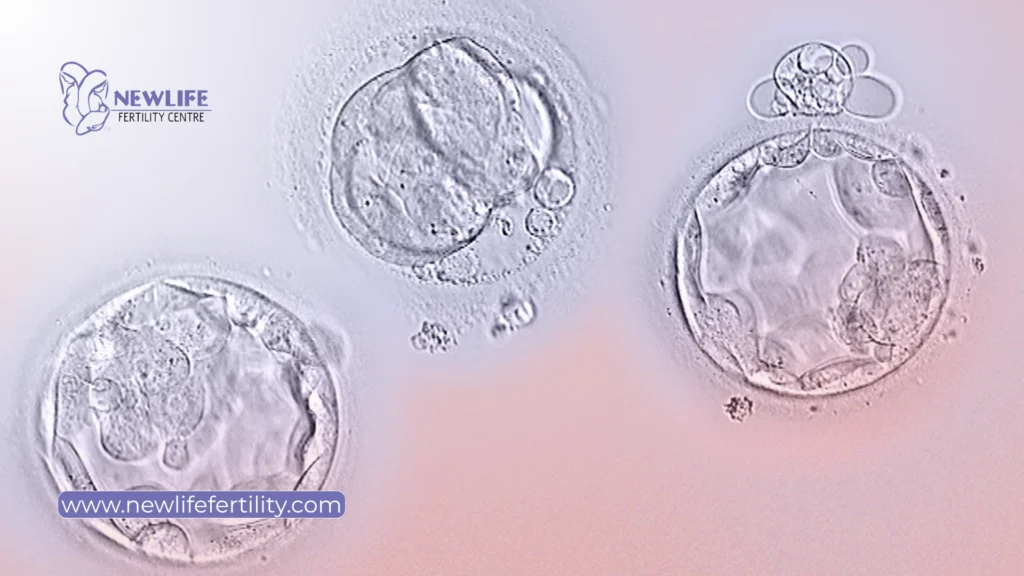
What works in its favour
It is faster, requires one fewer cycle, and avoids waiting if everything looks good. For some patients, that speed matters emotionally as much as medically.
What works against it
Your body is still in a hormonally elevated state. Uterine receptivity may be lower. There is less flexibility if something changes. And if you are at risk for OHSS, it may not be safe.
Frozen embryo transfer
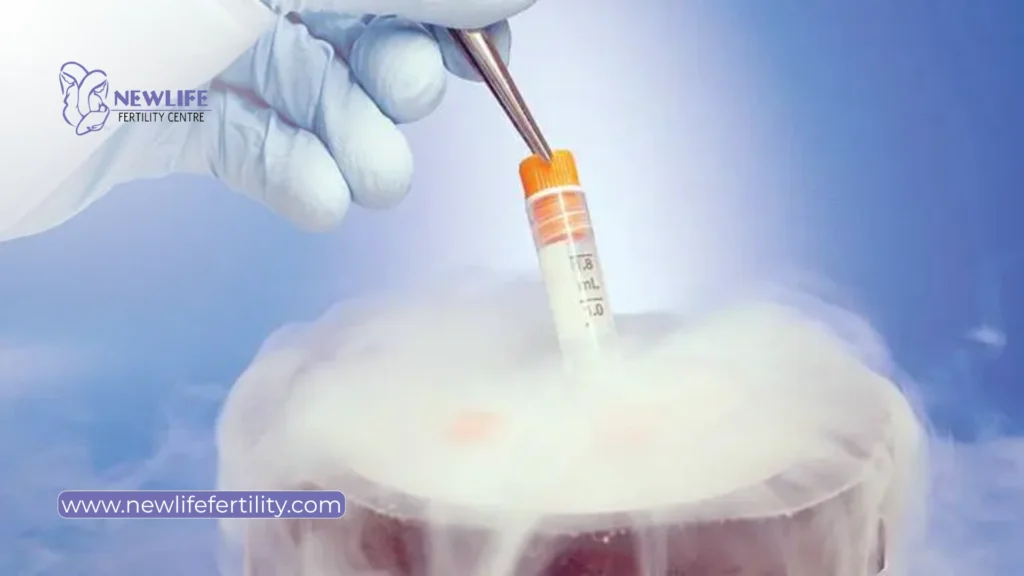
What works in its favour
Your body has time to reset. The uterine environment is often more natural and receptive. You get flexibility in timing. Genetic testing is possible. Many studies also show slightly better outcomes for certain patients.
What works against it
It adds time to the process. It requires an additional cycle and preparation. For some, the waiting period can feel emotionally difficult.
Quick comparison table of fresh and frozen embryo transfer
| Factor | Fresh Embryo Transfer | Frozen Embryo Transfer |
| Timing | Same IVF cycle | Separate cycle later |
| Speed | Faster | Slower, requires waiting |
| Body condition | Hormones still elevated | Body more balanced |
| Uterine environment | May be less receptive | Often more receptive |
| Flexibility | Limited | High flexibility |
| Genetic testing | Not possible | Possible |
| OHSS risk | Not recommended if high risk | Safer option |
| Emotional aspect | Faster relief | Requires patience |
| Success trend | Good | Often slightly better in many cases |
Which is better among fresh or frozen embryo transfers?

Alright, let’s answer the question you’ve probably been waiting for.
The honest answer is this. It depends on your body, your reports, and your doctor’s assessment.
If your body responds well to stimulation, your hormone levels are stable, your lining looks good, and there is no OHSS risk, a fresh transfer is a completely valid option.
But if hormone levels are high, there is any risk of OHSS, you are planning genetic testing, or a previous fresh cycle did not work, a frozen transfer is usually the smarter choice.
A simple way to look at it is this. Fresh transfer is faster. Frozen transfer is more controlled. And in many cases, more control can lead to better outcomes.
But this is not a decision you should make based on what you read online or what worked for someone else.
This decision should be made with your doctor, based on your specific situation.
What you can do is walk into that conversation informed, ask the right questions, and understand the reasoning behind the recommendation. That is what truly helps you move forward with confidence.
What if you’re still confused?

That’s completely okay.
This is a nuanced medical decision, and confusion does not mean you are not informed or prepared. It simply means you are navigating something complex.
Write down your questions. Bring this blog to your appointment if it helps. Ask your doctor clearly, “Given my hormone levels and uterine lining after retrieval, which option do you recommend and why?”
A good fertility doctor will not just tell you what to do. They will explain the reasoning.
And now that you understand both options, you will be in a much better position to follow that explanation and make a confident decision.
Fresh vs. frozen embryo transfer. What does this choice mean for you?
By now, you probably see it a little differently.
It’s not about which option is better in general. It’s about which option fits your body right now.
Some cycles are perfect for a fresh transfer. Some need a little pause and a frozen approach. Both are valid. Both lead to successful pregnancies every day.
What matters is making this decision with clarity, not confusion.
And you don’t have to figure that out alone.
At NewLife Fertility, we take the time to walk you through your reports, your response, and your options so you understand what actually makes sense for you.
👉 Book a free consultation with us and take the next step with clarity.
FAQs about fresh embryo transfer vs. frozen embryo transfer
Often, but not always. FET can show slightly better outcomes in many cases because the body has time to recover. But if conditions are ideal, fresh transfer can work just as well.
Success rates are often similar, but frozen transfers may have a slight edge in some cases. It depends on hormone levels, uterine readiness, and overall health.
Fresh transfer happens in the same IVF cycle after egg retrieval. Frozen transfer happens later, in a separate cycle after embryos are frozen.
There is no one answer. The better option depends on your body, your reports, and your doctor’s recommendation.
You can share your preference, but the final decision should be based on medical factors like hormone levels, uterine lining, and risk of complications.
Both have comparable success rates. Frozen transfers may be slightly better in some cases, especially when the body needs time to recover.
Not always. The difference is usually small and depends more on individual factors than the method itself.
It depends on your situation. Fresh is faster. Frozen allows better timing and control. Your doctor will guide what suits you best.
Doctors often recommend switching to a frozen transfer next. A failed cycle helps adjust the next plan, it does not mean future failure.
Yes, very common. Many patients move to FET after a failed fresh transfer and go on to have successful outcomes.
Fresh is faster but less flexible. Frozen takes more time but offers better control and often a more stable uterine environment.
In many IVF cases, yes, especially when hormone levels are high or there is a risk of OHSS. But not universally for every patient.
No, modern freezing techniques preserve embryos very well. Most embryos survive thawing with high success rates.
Both are part of IVF. Fresh transfer happens immediately after fertilization, while frozen transfer is delayed to a later cycle.
Frozen transfers often show slightly better outcomes in some groups, but both approaches can be equally effective depending on the case.