About 1 in 6 couples in Canada experience fertility challenges at some point while trying to conceive.
That is not a small number. Chances are, someone in your friend circle, your workplace, or your own family has quietly gone through this. And if you are reading this article, you might be somewhere in that journey too, wondering what you can actually do to improve your chances.
Because fertility is not something you can hack with one supplement or one lifestyle tweak. It is shaped by a mix of factors including your age, your reproductive health, your day to day habits, and sometimes underlying medical conditions that need proper attention.
There is no single guaranteed food or way that can boost your fertility overnight. But yeah there are several evidence based steps you can take that can genuinely move the needle, especially when combined together and backed by the right medical guidance when needed.
In this article, we’ll walk through 9 ways you can support your fertility in 2026, with practical, Canada relevant guidance you can actually use.
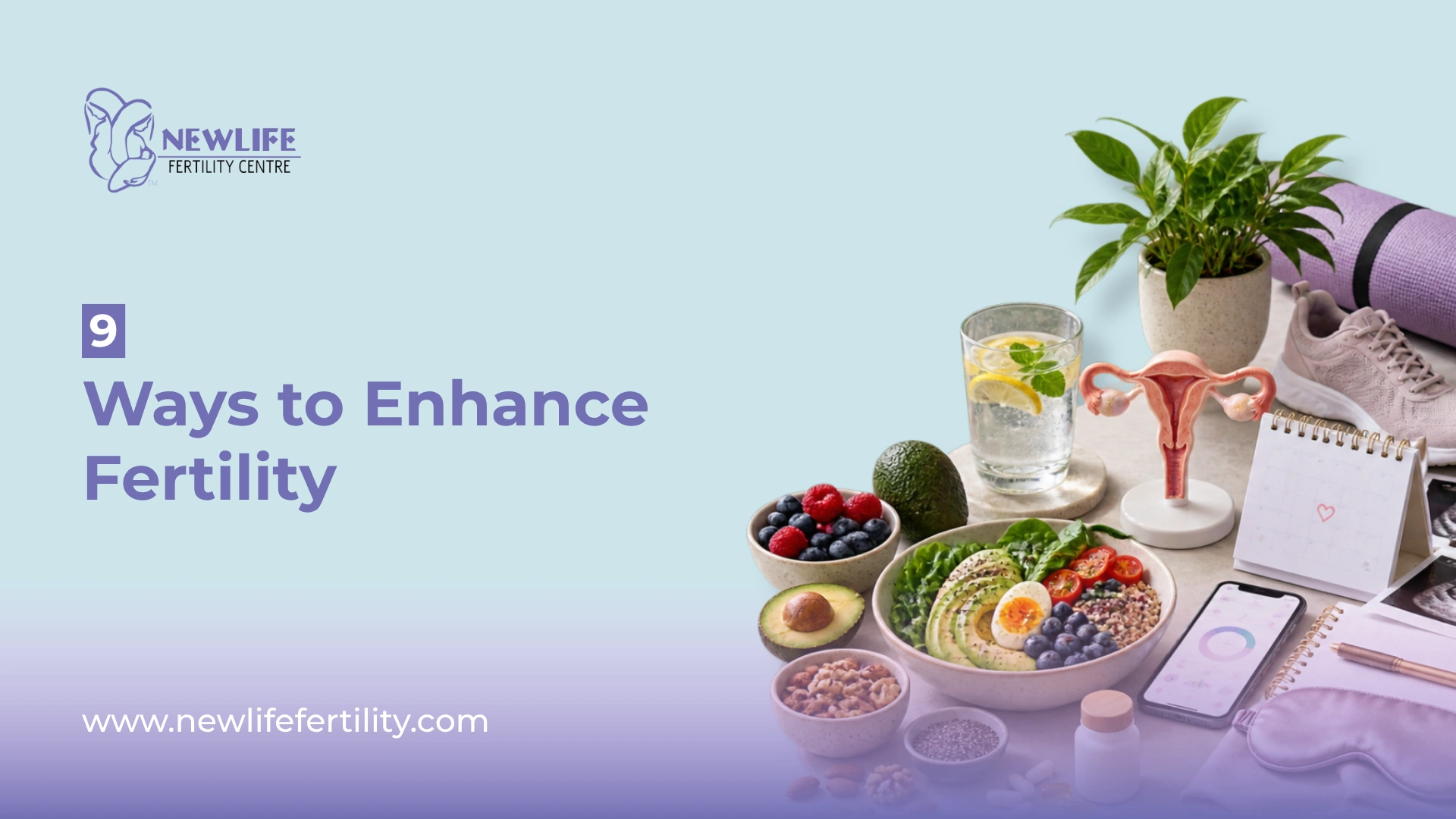
9 ways that you can consider to enhance your fertility in 2026
These are not quick fixes or trending fertility hacks you might have seen online. Each of these is grounded in what fertility research and clinical experience actually show works. Let’s go through them one by one.
Maintain a healthy weight to support your fertility
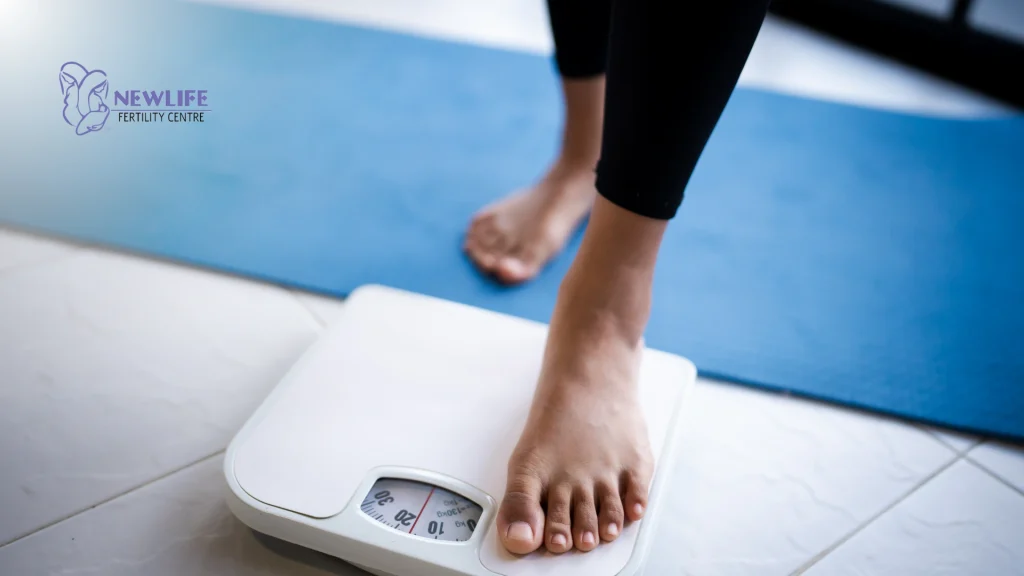
Your weight plays a bigger role in fertility than most people realize.
Being significantly underweight or overweight can disrupt the hormonal signals your body needs for regular ovulation. Women who are underweight may stop ovulating altogether, while women carrying excess weight often experience irregular cycles or reduced response to fertility treatments if those become necessary later.
It matters for men too. Excess weight is linked to lower testosterone levels and reduced sperm quality, including lower sperm count and motility.
You do not need to chase a specific number on the scale. The goal is a weight range that supports regular ovulation and hormonal balance, and that is best figured out with your doctor rather than a generic BMI chart.
Follow a nutrient rich balanced diet

You have probably heard people talk about a magic fertility diet. The truth is simpler than that.
What actually helps is consistent, balanced eating. Think vegetables, fruits, whole grains, lean proteins, and healthy fats like those from nuts, seeds, and olive oil. This kind of diet supports hormone production, egg and sperm quality, and overall reproductive health.
Some foods do come up often in fertility research, including leafy greens, berries, eggs, and fatty fish rich in omega 3s. Folate rich foods are also important if you are planning pregnancy, since folic acid intake before conception significantly reduces the risk of certain birth defects.
Move your body regularly

Regular physical activity does more for your fertility than you might expect.
Moderate exercise, something like brisk walking, swimming, or cycling a few times a week, helps regulate your weight, improve insulin sensitivity, and reduce stress, all of which support hormonal balance.
Sharing a part that people often miss though. More is not always better. Very intense or excessive exercise, especially in women with low body fat, can actually suppress ovulation and disrupt your menstrual cycle. If you are training heavily for something like a marathon while also trying to conceive, it is worth having a conversation with your doctor about whether your training load needs adjusting.
Cut out smoking and recreational drugs
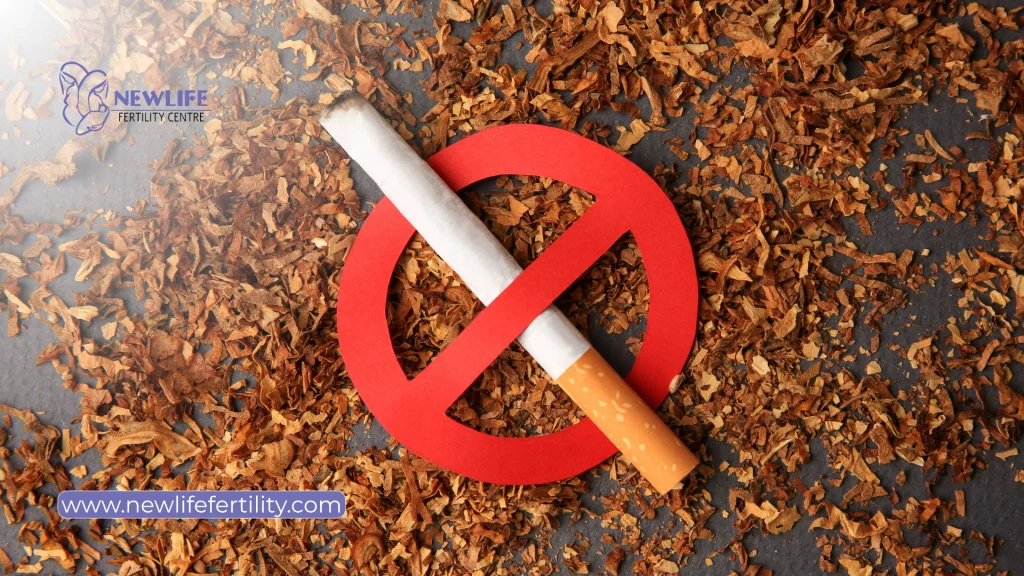
This one is not new information, but it is worth being direct about because the impact is significant.
Smoking accelerates the loss of egg quality and quantity in women, and it is linked to lower sperm count, poor sperm motility, and increased DNA damage in sperm in men. Recreational drug use carries similar risks and can interfere with hormone production and reproductive function in both partners.
Quitting is genuinely hard, and I’m not going to pretend it is a simple checklist item. If you are trying to quit, Canada has free resources through Health Canada and provincial quitlines that pair counselling with support, and your family doctor can also help you build a plan that actually sticks.
Watch your alcohol and caffeine intake

You do not necessarily need to eliminate alcohol and caffeine completely while trying to conceive, but moderation genuinely matters here.
Heavy alcohol use is linked to ovulation problems in women and reduced testosterone and sperm quality in men. Canadian guidance generally recommends limiting alcohol intake while trying to conceive, and avoiding it entirely once pregnancy is confirmed since no amount is considered fully safe during pregnancy.
Caffeine is a bit more nuanced. Moderate intake, generally understood as around 200 to 300 mg a day or roughly two cups of coffee, has not been strongly linked to fertility problems in most studies. Very high intake is where the concern grows, so keeping it moderate is the practical takeaway rather than cutting it out entirely.
Manage medical conditions that could be affecting your fertility
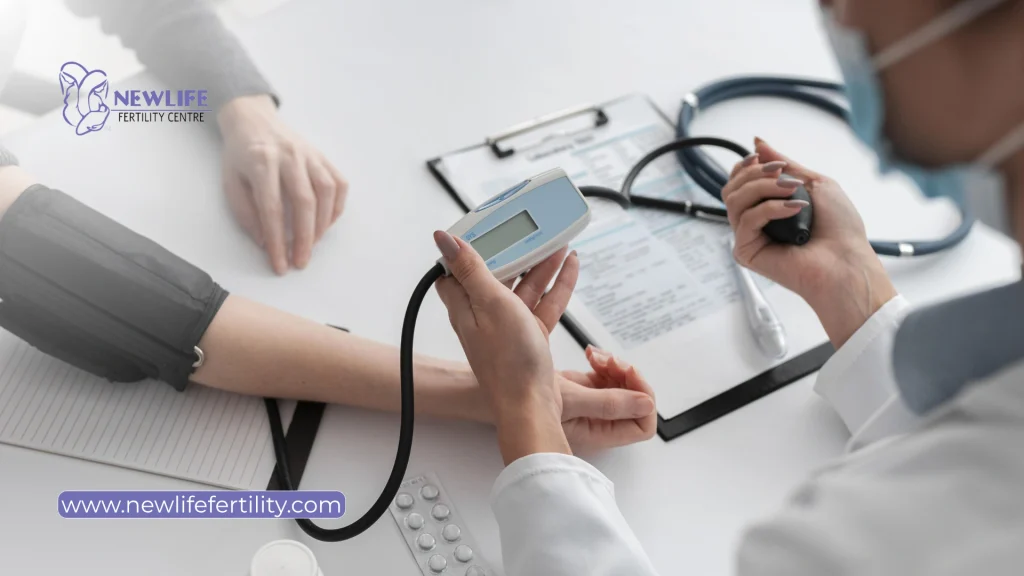
Sometimes the biggest barrier to conceiving is not a lifestyle factor at all. It is an underlying health condition that has not been properly diagnosed or managed.
Conditions worth paying attention to include:
- Polycystic ovary syndrome, which affects ovulation in a large number of women trying to conceive
- Endometriosis, which can affect egg quality and the reproductive organs
- Thyroid conditions, since both an underactive and overactive thyroid can disrupt your cycle
- Diabetes or insulin resistance, which affects hormone regulation
- Other hormonal or reproductive conditions that may not show obvious symptoms
If your cycles are irregular, unusually painful, or you have noticed other symptoms that feel off, that is worth raising with your doctor rather than assuming lifestyle changes alone will fix it. Managing the underlying condition often does more for your fertility than any diet or supplement ever could.
Learn your fertile window
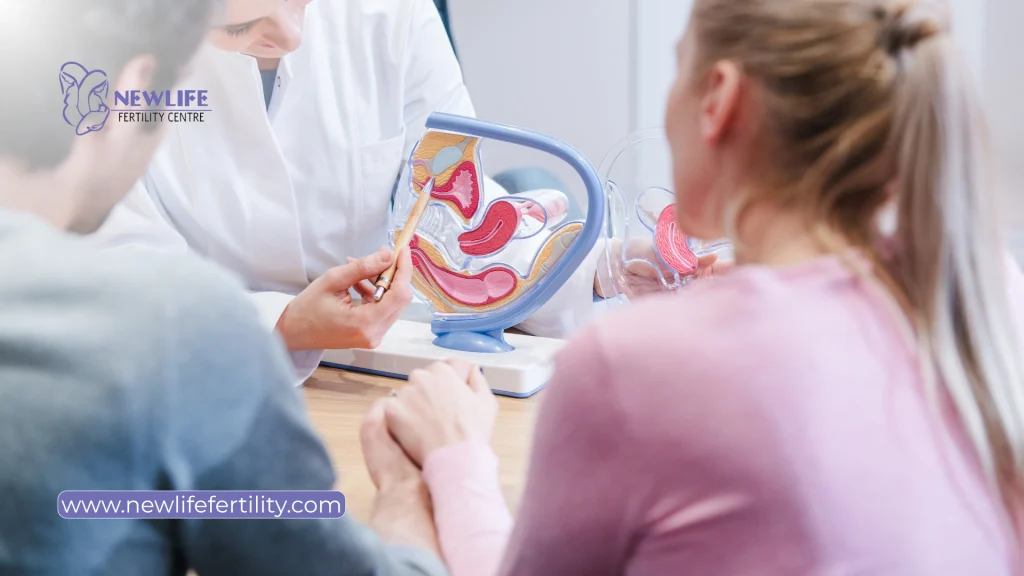
Timing matters more than most people expect when you are trying to conceive.
Your fertile window is roughly the six days leading up to and including ovulation, with the two to three days right before ovulation being when your chances are highest. Outside that window, even perfect health and lifestyle habits will not lead to conception in a given cycle.
There are a few practical ways you can track this:
- Menstrual cycle tracking, either with an app or a simple calendar, to identify your pattern over a few months
- Ovulation predictor kits, which detect the hormone surge that happens right before ovulation
- Cervical mucus changes, which tend to become clearer and more stretchy as you approach ovulation
Getting familiar with your own cycle, rather than relying on a generic 28 day assumption, gives you a much clearer picture of when to focus your efforts.
Reduce exposures that could be harming your reproductive health
This part of the conversation gets less attention, but it is worth knowing about.
Certain environmental and occupational exposures have been linked to reduced fertility, including prolonged exposure to certain pesticides, heavy metals, and industrial chemicals. If your job involves regular contact with these, it is worth discussing protective measures with your employer or occupational health provider.
For men specifically, excessive heat exposure to the testicles, from things like frequent hot tub use, saunas, or laptops resting directly on the lap for long periods, has been associated with reduced sperm quality.
Sexually transmitted infections are another factor worth mentioning, since untreated infections like chlamydia can lead to fertility complications over time. Regular testing, especially if you have had new partners, is a simple step that protects your long term reproductive health.
I’m not suggesting you need to live in fear of your environment. The point is awareness, not anxiety, since most of these exposures are manageable once you know about them.
Know when it is time for a fertility assessment

Here is something that we tell patients often. Lifestyle changes can meaningfully support your fertility, but they are not a substitute for medical evaluation when there is an underlying issue at play.
In Canada, the general guidance is to consider a fertility assessment if you are under 35 and have been trying to conceive for a full year without success, or if you are 35 or older and have been trying for six months. Age is one of the most significant factors in fertility, particularly for egg quantity and quality, which is why the timeline shortens as you get older.
There are also situations where it makes sense to seek an assessment earlier, including irregular or absent periods, a known history of endometriosis or PCOS, previous pelvic surgery, recurrent miscarriage, or a partner with known fertility concerns.
A fertility assessment typically looks at ovarian reserve, hormone levels, uterine and tubal health, and semen analysis for male partners. It gives you a clear picture of what might be affecting conception, rather than guessing based on lifestyle factors alone. Once the underlying cause is identified, your care team can guide you toward the next step, whether that is continued monitoring, medication, or assisted reproductive options like IUI or IVF.
At NewLife Fertility, this is exactly the kind of clarity we help patients get, without the wait or the guesswork.
What are you going to change first to enhance your fertility
Out of the 9 ways covered here, from maintaining a healthy weight and eating well to understanding your fertile window and knowing when to seek medical help, the biggest takeaway is this. Fertility is influenced by many moving parts, and lifestyle changes alone cannot always resolve what is really going on. Sometimes the most powerful thing you can do is get a clear, professional picture of your reproductive health rather than continuing to guess.
NewLife Fertility is one of Canada’s leading fertility clinics, with a team of reproductive specialists who focus on giving patients fast, accurate answers and personalized treatment plans rather than long waitlists and vague advice.
Whether you are just starting to explore your options or you have been trying to conceive for a while without success, our team is here to help you understand exactly where you stand and what your best next step looks like.
Book your free consultation with NewLife Fertility today and take the guesswork out of your fertility journey.
Frequently asked questions about ways to enhance fertility
You can support your fertility naturally by maintaining a healthy weight, eating a nutrient rich diet, staying moderately active, avoiding smoking and excess alcohol, managing stress, and tracking your fertile window so you are timing intercourse when your chances are highest.
There is no single best way since fertility depends on multiple factors working together. The most effective approach combines healthy lifestyle habits with proper medical evaluation, especially if you have been trying to conceive for several months without success.
Yes, a balanced diet rich in whole foods, healthy fats, and folate can support hormone balance and egg and sperm quality. Diet alone usually will not overcome an underlying medical condition, but it is a meaningful piece of the picture.
Moderate regular exercise supports healthy weight and hormone balance, both of which help fertility. Excessive or very intense exercise can have the opposite effect, particularly in women, so balance matters more than intensity.
Focus on the habits within your control, including a healthy weight, balanced nutrition, regular movement, avoiding smoking, and identifying your fertile window. If you have been trying for a while without success, pairing these habits with a fertility assessment gives you the clearest path forward.
Generally, if you are under 35 and have been trying to conceive for a year, or 35 and older and have been trying for six months, it is time to consider a fertility assessment. You should also seek help earlier if you have irregular cycles, a known reproductive condition, or a history of pregnancy loss.
Fertility naturally declines with age due to reduced egg quantity and quality, and this decline speeds up after 35 and again after 40. While lifestyle changes can support overall reproductive health, a fertility assessment is especially important at this age to understand your options clearly, which may include assisted reproductive technologies.
If you are under 35, most guidance suggests trying for about a year before seeking help. If you are 35 or older, six months is generally the recommended timeline, and this should be shorter if you have any known risk factors affecting your fertility.