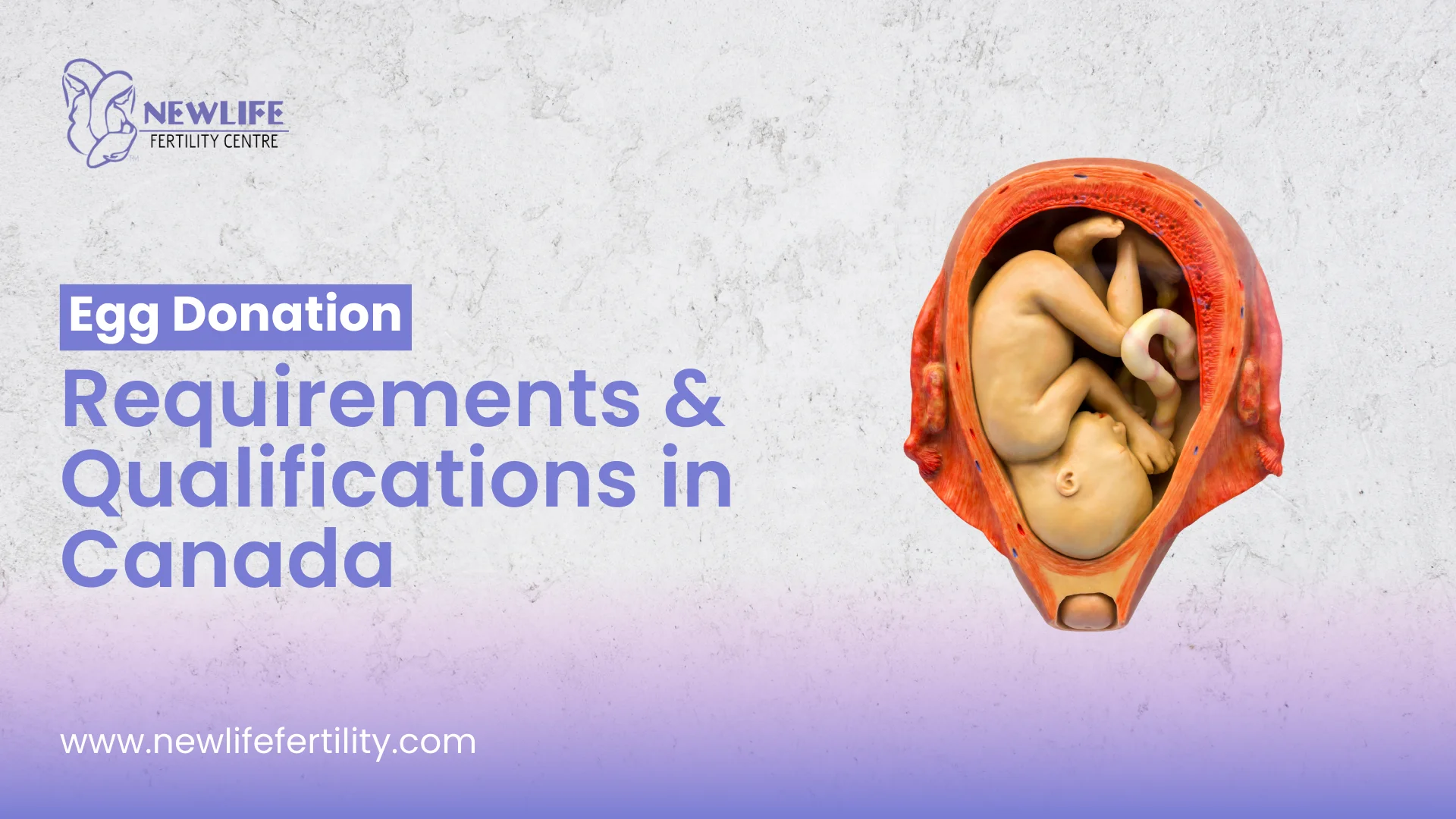
Becoming an egg donor is a generous act that can change someone’s life. Before taking this step, most people look for answers about egg donation requirements, egg donor qualifications, and egg donation eligibility in Canada.
These questions are natural because donating eggs is not only a medical process. It is also a commitment and a personal decision that requires clarity and confidence.
Many potential donors feel curious yet unsure.
Am I eligible?
What does the process involve?
Will it affect my health?
Understanding the requirements helps you move forward with confidence instead of confusion.
Egg donation is handled with great care across fertility clinics in Canada. Every donor is supported, screened, and carefully prepared to ensure a safe and positive experience. This guide covers everything you need to know, from age and health criteria to lifestyle factors, legal rules, and the full donation process.
What is egg donation

Egg donation is a process where a healthy woman chooses to give her eggs to help someone else build their family. A fertility specialist collects these eggs safely, and they are used in treatments like IVF to create embryos for intended parents.
People need donor eggs for many reasons, including age related fertility problems, medical conditions, early menopause, genetic concerns, and family building for LGBTQIA+ individuals and couples.
Here is a simple breakdown.
Age related fertility challenges
Egg quality and egg count decrease with age. Even healthy women may struggle to conceive later in life. Donor eggs give intended parents a stronger chance of a healthy pregnancy.
Medical conditions affecting fertility
Some women have low ovarian reserve, past cancer treatments, or surgeries that affect egg production. Donor eggs provide a safe alternative when their own eggs cannot be used.
Early menopause or premature ovarian insufficiency
Some women experience menopause in their twenties or thirties, although it is rare. When this happens, the ovaries stop producing eggs, which makes natural pregnancy difficult. Donor eggs allow them to carry a baby.
Family building for LGBTQIA+ couples
Many LGBTQIA+ couples use donor eggs for surrogacy or shared IVF. Donor eggs give them a path to parenthood.
When the mother carries a genetic disorder
If a woman has a genetic condition that she does not want to pass on, donor eggs offer a safer option for the future child.
Basic egg donor requirements in Canada

Age requirements
Why age matters
A woman’s age affects the number of eggs she has and how healthy those eggs are. Younger eggs have a higher chance of creating a healthy pregnancy. That’s why clinics look closely at age before approving someone as a donor.
Ideal donor age range (18–34)
Most clinics accept donors between 18 and 34 years old because this age group usually has strong egg quality, good ovarian health, and better response to fertility medications.
How age affects ovarian reserve
As women get older, their ovarian reserve (the number of eggs left) naturally starts to decrease. Younger donors generally have more eggs, and they respond better to the stimulation medicine used in egg retrieval.
Medical requirements

Complete physical exam
Doctors perform a physical check-up to make sure the donor is healthy enough for the process. This includes general health, reproductive health, and past medical history.
Hormone testing and ovarian reserve checks
Blood tests measure important hormones like AMH, FSH, and estrogen. These show how well the ovaries are working and whether the donor can produce enough eggs.
Genetic screening for inherited conditions
Donors are tested for genetic and hereditary conditions to prevent passing any medical problems to the baby. This protects both the intended parents and the future child.
Ultrasound to measure AFC (antral follicle count)
A quick ultrasound helps the doctor count the tiny follicles in the ovaries. More follicles usually mean a better chance of retrieving healthy eggs.
Lifestyle and personal

Non-smoking and healthy habits
Smoking affects egg quality and can lower ovarian reserve. Donors must be non-smokers and follow healthy habits.
BMI within a safe range
A balanced BMI helps the donor respond well to medications and lowers risks during egg retrieval. Too low or too high a BMI can affect cycle success.
No substance use
Donors must not use recreational drugs, high alcohol levels, or any harmful substances that can damage egg health.
Travel restrictions related to Zika-risk areas
If someone recently traveled to a Zika-risk region, they may need to wait before donating. This protects the health of the future baby.
Regular menstrual cycles
Regular periods show that the donor’s reproductive system is working normally, which helps doctors predict how her body will respond to treatment.
Psychological and emotional

Mental health screening
Egg donation is an emotional process. Donors meet with a counsellor or psychologist to make sure they feel positive, stable, and fully ready.
Ability to handle stress
The donation journey includes hormone injections, appointments, and a medical procedure. Donors need to handle small stresses without feeling overwhelmed.
Commitment to the donation process
Egg donation has a clear timeline. Donors must be committed to showing up on time for ultrasounds, blood tests, and the retrieval procedure.
Ability to follow medical instructions and attend appointments
This ensures the best outcome for the donor and the intended parents. Following instructions closely is important for safety and success.
Legal requirements for egg donation in Canada

Egg donation is regulated under the Assisted Human Reproduction Act. These laws maintain safety, fairness, and transparency.
Informed consent
Donors must sign an informed consent form, which confirms they understand the medical steps, possible risks, and their rights. Donation is always voluntary.
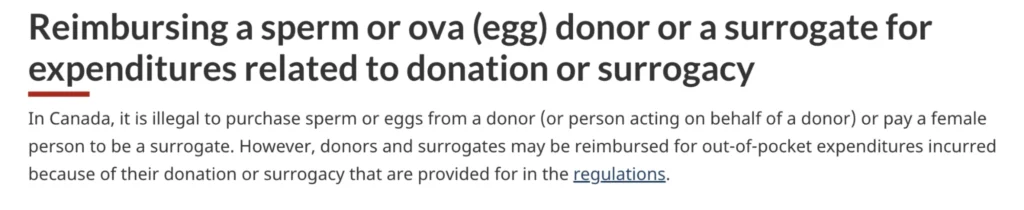
Reimbursement only model
Payment for eggs is not allowed in Canada.
However, donors can be reimbursed for expenses such as travel, meals, medications, childcare, lost wages, and clinic visits.
Anonymous or known donation
Both options are allowed.
Anonymous means the donor and intended parents do not meet.
Known donation can involve a friend, family member, or a match through a program.
The choice depends on comfort and personal preference.
Rights and protections
Canadian law clearly states:
- Donors are not legal parents of any child born from their eggs
- Donors may withdraw from the process before egg retrieval
- Clinics must protect donor privacy
- Screening is mandatory for safety
These protections help everyone involved feel supported.
Who cannot donate eggs in Canada
Not everyone is eligible to donate, and that is completely okay. These rules exist to protect both the donor and the future child.
You may not qualify if you have:
- Medical conditions that affect ovarian function
- Genetic disorders that can be passed to a baby
- A BMI that is too high or too low
- Smoking or substance use habits
- Irregular menstrual cycles
- A strong family history of inherited illnesses
Clinics review each case carefully to ensure safety.
Step by step egg donation process
Egg donation follows a clear and well supervised process.
Step 1. Application
The donor fills out a simple form with basic health and lifestyle information. If approved, the clinic moves to the next stage.
Step 2. Screening
This includes medical tests, genetic screening, psychological counselling, and ultrasound checks. Once the donor is cleared, she can begin treatment.
Step 3. Ovarian stimulation
For about ten to twelve days, the donor takes small hormone injections to help multiple eggs mature. She will have short clinic visits to monitor progress.
Step 4. Egg retrieval
The eggs are collected through a short and safe procedure. The donor feels no pain and can go home the same day.
Step 5. Recovery
Most donors feel normal within one or two days. The body returns to its regular cycle soon after.
This completes the donation journey with care and comfort.
How egg donation requirements in Canada help you decide if this beautiful choice is yours to make
Bringing a new life into the world is one of the most meaningful gifts anyone can offer. When you choose to donate your eggs, you give someone the chance to experience a kind of love they once believed was out of reach.
For many intended parents, your decision becomes the quiet hope they were waiting for. You become the reason they smile again and the bridge that helps them move closer to the family they dream of.
Egg donation is not only a medical process. It is an act of kindness, strength, and compassion. For the families on the other side of this journey, your generosity becomes a moment they remember for the rest of their lives.
If you feel curious about donating or want to understand the path more deeply, NewLife Fertility Centre is here to guide you with care, clarity, and respect.
✨ Book your free consultation today and explore how your decision can create a lasting impact.
FAQs about egg donation requirements and qualifications
Most clinics only accept donors between 18 and 34 because egg quality and ovarian reserve are higher in this age range. If you are over 35, you may not qualify, but some clinics review cases individually.
No, you do not need to have a child to become an egg donor. Many donors have never been pregnant before. What matters most is good health and meeting the medical requirements.
Yes. LGBTQ+ individuals can donate eggs as long as they meet the same medical and lifestyle requirements as any other donor. Sexual orientation or gender identity does not limit someone from donating.
No. Payment for eggs is not allowed in Canada. However, donors can be reimbursed for expenses like travel, meals, childcare, lost wages, and medical costs during the donation process. This follows Canada’s Assisted Human Reproduction Act.