Ovulation disorders account for a large share of fertility struggles in women, and for many of them, the first real step forward is not a lifestyle change. It is medication.
If you have been trying to conceive without success, chances are you have come across terms like clomiphene, letrozole, or gonadotropins somewhere online. These are fertility drugs, and they work in very different ways depending on what is actually going on in your body.
Most fertility drugs exist to do one main thing. They help you ovulate, whether that means triggering ovulation that is not happening on its own, or supporting the process so it works more reliably. The right one for you depends entirely on the cause behind your fertility issue, not on which drug is most talked about online.
These medications also need to be used under medical supervision. Doses, timing, and monitoring all matter here, and getting any of that wrong can affect both safety and your chances of success.
In this article, we are going through 7 fertility enhancing drugs in females, how each one works, and when your doctor might actually recommend it.
7 fertility enhancing drugs in females you should know about
Each of these medications targets a different part of your reproductive cycle. Knowing what each one actually does will help you understand your options before you even sit down with a specialist.
Letrozole helps stimulate your ovulation

Letrozole is now one of the most commonly prescribed drugs for ovulation induction, especially for women with PCOS.
It works by lowering estrogen levels for a short time. Your body responds by producing more follicle stimulating hormone, which encourages your ovaries to develop and release an egg. This is a simple oral tablet, usually taken for five days early in your cycle.
Research has shown letrozole often leads to higher ovulation and pregnancy rates in women with PCOS compared to older medications, with a lower chance of twins. It has become a first choice for many doctors treating ovulation disorders.
Clomiphene citrate is another option for your ovulation

Clomiphene citrate, often known as Clomid, has been used for ovulation induction for decades and is still widely prescribed today.
It works differently from letrozole. Instead of lowering estrogen, it blocks estrogen receptors in your brain. Your body reads this as low estrogen and responds by increasing follicle stimulating hormone, which helps trigger ovulation.
Doctors often prescribe it for women with irregular cycles or unexplained ovulation issues. Common side effects include hot flashes, mood swings, and bloating. Clomiphene also carries a slightly higher chance of twins compared to letrozole, which is one reason many doctors now lean toward letrozole as a first option.
Gonadotropins support your follicle development

Gonadotropins are injectable medications containing hormones your body already makes on its own, mainly follicle stimulating hormone and luteinizing hormone.
They work by directly stimulating your ovaries to develop multiple follicles, rather than working indirectly through your brain like clomiphene or letrozole. This makes them more powerful, and also means they need closer supervision.
Doctors usually turn to gonadotropins when oral medications have not worked, or as part of IUI or IVF where controlled follicle growth is needed. You will need regular ultrasounds and bloodwork during treatment so your doctor can track your response and adjust your dose.
hCG triggers your ovulation at the right time

Human chorionic gonadotropin, or hCG, is often called the trigger shot in fertility treatment.
Once your follicles reach the right size, hCG mimics the natural hormone surge that causes final egg maturation and release. Its timing is precise and coordinated with either timed intercourse, IUI, or egg retrieval for IVF.
hCG is almost never used alone. It works alongside other fertility drugs like clomiphene, letrozole, or gonadotropins, and its use is closely tied to how your body has responded through monitoring.
Follicle stimulating hormone supports your follicle growth
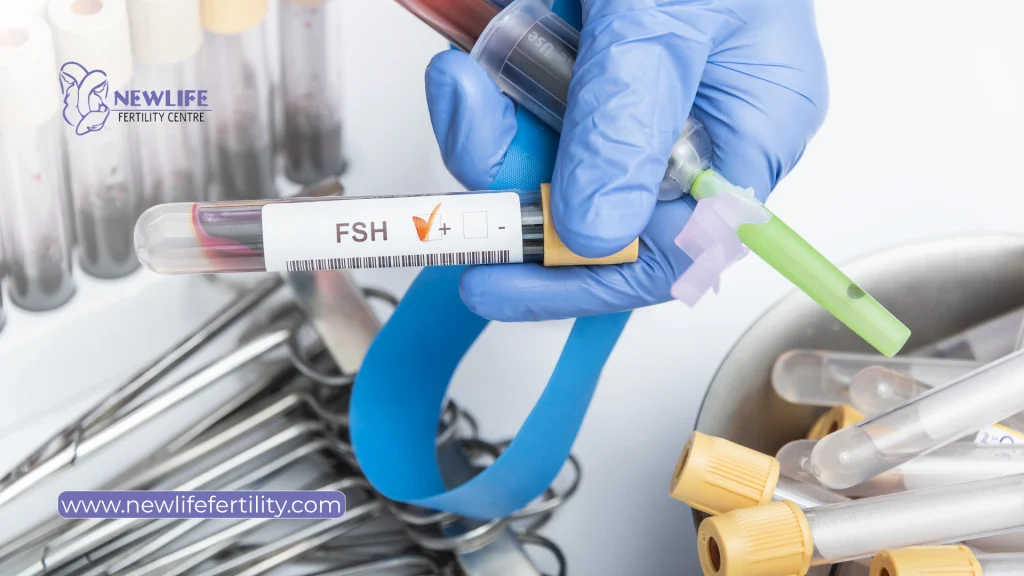
Follicle stimulating hormone, or FSH, is one of the two main hormones in gonadotropin medications, but it can also be prescribed on its own.
Injectable FSH directly stimulates your ovaries to grow follicles, which is especially useful when your body is not producing enough FSH naturally. It is commonly used in IUI and IVF cycles where doctors want more precise control over follicle development.
Because FSH stimulates your ovaries so directly, monitoring through ultrasound and bloodwork is a standard part of treatment. This helps your doctor catch signs of overstimulation early and adjust your dose before it becomes a problem.
Human menopausal gonadotropin combines hormones for your fertility treatment

Human menopausal gonadotropin, or hMG, contains a mix of FSH and luteinizing hormone.
This combination supports both follicle growth and the hormonal environment needed for those follicles to mature properly. It is often used in similar situations to pure FSH, particularly during IUI or IVF cycles.
Your doctor may choose hMG over FSH alone depending on your specific hormone levels and how your ovaries have responded to previous treatment. Like other injectable gonadotropins, it requires regular monitoring throughout your cycle.
Bromocriptine helps if high prolactin is affecting your fertility

Bromocriptine works differently from the other medications on this list, since it does not directly stimulate ovulation.
High prolactin levels can suppress ovulation entirely, and this is more common than many women realize. Bromocriptine lowers prolactin levels, which allows your normal hormonal cycle and ovulation to resume on its own.
Your doctor may prescribe it if bloodwork shows elevated prolactin, sometimes caused by a small pituitary growth called a prolactinoma. Once prolactin levels come down, many women find their cycles become regular again without needing additional ovulation medication.
How do fertility drugs help you get pregnant

Fertility drugs to enhance pregnancy work through a few key mechanisms, and most medications fall into one or more of these categories.
- Stimulating ovulation when it is not happening consistently on its own
- Regulating irregular ovulation so your cycle becomes more predictable
- Supporting follicle development so eggs mature properly before release
- Triggering the release of a mature egg at the right time
- Improving timing during IUI or other fertility treatments so procedures align with your body’s natural process
None of these mechanisms guarantee pregnancy on their own. What they do is remove or correct a specific barrier, giving your body a better chance to conceive naturally or through assisted methods like IUI or IVF.
How to choose the right fertility drug for you

There is no single best fertility drug, since the right choice depends entirely on what is actually happening in your body.
Your doctor will typically look at your ovulation pattern first, since irregular or absent ovulation points toward different medications than a normal cycle with another underlying issue. PCOS often shifts treatment toward letrozole or myo inositol based approaches, while elevated prolactin points toward bromocriptine instead.
Age and ovarian reserve also shape the decision, since these affect how your ovaries are likely to respond to stimulation. Your doctor will also factor in any previous fertility treatment you have tried, along with other reproductive conditions that might be part of the picture. This is exactly why a proper diagnosis matters more than picking a medication based on what worked for someone else.
Are there pills that can enhance your female fertility

Yes, several fertility drugs come in pill form rather than injections, which is often the first option doctors try before moving to anything more involved.
Letrozole, clomiphene citrate, and bromocriptine are all taken orally, making them a more accessible starting point for many women. They are generally easier to manage day to day and do not require the same level of injection training or handling as gonadotropins.
That said, oral medications are not always enough on their own. If they do not lead to ovulation or pregnancy after a few cycles, your doctor may move you toward injectable fertility drugs like FSH, hMG, or full gonadotropin protocols, especially if you are moving toward IUI or IVF.
Fertility drug safety and side effects you should know

Fertility drugs are effective, but they are not something to take lightly or without proper guidance.
- They need medical supervision because dosage and timing directly affect both safety and success
- Common side effects include bloating, mood changes, headaches, and hot flashes, depending on the medication
- Multiple pregnancy risk increases with several fertility drugs, particularly clomiphene and gonadotropins
- Ovarian hyperstimulation is a real risk with injectable medications like FSH, hMG, and gonadotropins, which is why monitoring exists
- Getting dosage and timing wrong can reduce effectiveness or increase your risk of complications
- Self medicating with fertility drugs obtained without a prescription is genuinely dangerous, since your body’s response needs to be tracked throughout treatment
None of this is meant to scare you away from fertility medication. It is simply why these drugs are prescription only, and why working closely with a fertility specialist matters as much as the medication itself.
Which fertility enhancing drug is right for you
Letrozole, clomiphene citrate, gonadotropins, hCG, FSH, hMG, and bromocriptine each work differently, and each one exists to solve a different kind of fertility challenge. There is no universal best option, only the option that fits what your body actually needs.
The most important step is figuring out the real cause behind your fertility difficulty, rather than guessing which medication to try first. A proper diagnosis, backed by bloodwork and monitoring, is what allows your doctor to choose confidently instead of through trial and error.

NewLife Fertility is one of Canada’s leading fertility clinics, and our specialists work closely with women every day to identify exactly what is affecting their fertility and which treatment path makes sense for them. We focus on clear, personalized care rather than generic protocols, so you always know why a particular medication or approach is being recommended for you.
Book your free consultation with NewLife Fertility today and take the first step toward a treatment plan built around your body.
Frequently asked questions about fertility enhancing drugs in female
Fertility enhancing drugs in females are medications used to support or trigger ovulation, follicle development, or hormone balance in women trying to conceive. Common examples include letrozole, clomiphene citrate, gonadotropins, and hCG, each targeting a different part of the reproductive cycle.
There is no single best fertility enhancer, since the right option depends on your specific diagnosis. Letrozole and clomiphene are common starting points for ovulation induction, while bromocriptine, FSH, or gonadotropins may be recommended depending on what is causing your fertility issue.
Letrozole, clomiphene citrate, and bromocriptine are all fertility drugs available in pill form. They are often tried first before moving to injectable medications like FSH, hMG, or gonadotropins if needed.
Fertility drugs that help you get pregnant generally work by stimulating or regulating ovulation, supporting follicle growth, or triggering the release of a mature egg. Letrozole, clomiphene, gonadotropins, and hCG are among the most commonly used for this purpose.
No, fertility drugs do not guarantee pregnancy. They correct or support a specific part of your reproductive process, which improves your chances, but conception still depends on several other factors working together.
Yes, fertility drugs are commonly used to treat PCOS related infertility. Letrozole is often the first choice for women with PCOS, and myo inositol or bromocriptine may also be recommended depending on your specific hormone levels.
Fertility drugs are generally safe when prescribed and monitored properly by a doctor. Risks like multiple pregnancy or ovarian hyperstimulation exist with certain medications, which is exactly why regular monitoring and following your doctor’s guidance matter throughout treatment.