When a couple is trying to conceive, fertility treatment is not always focused on the woman. Sperm health can play a big part too, and in some cases, the man may need treatment of his own.
If you have looked into male fertility online, you have probably come across medicines that claim to increase testosterone, improve sperm production or enhance fertility. It can be difficult to tell which of these have a genuine role in fertility treatment and which ones are simply being marketed as a quick fix.
The thing is, there is no single drug that works for every man. Low testosterone, problems with sperm production, high prolactin and certain hormone conditions can all affect fertility, but they do not necessarily require the same treatment.
So, what drugs can actually be used to support male fertility? In this article, I’ve covered 7 options you may come across during male fertility treatment, what they do and when they may be considered.
7 male fertility enhancing drugs you should know about
Not every drug on this list is suitable for every man. Some are used when there is a specific hormone problem, while others are considered when the body is not producing enough of the hormones needed for sperm production.
Some of these treatments are also prescribed off-label for men. Your doctor will look at your test results and medical history before deciding whether one of them makes sense for you.
Clomiphene citrate can help support your natural hormone signals
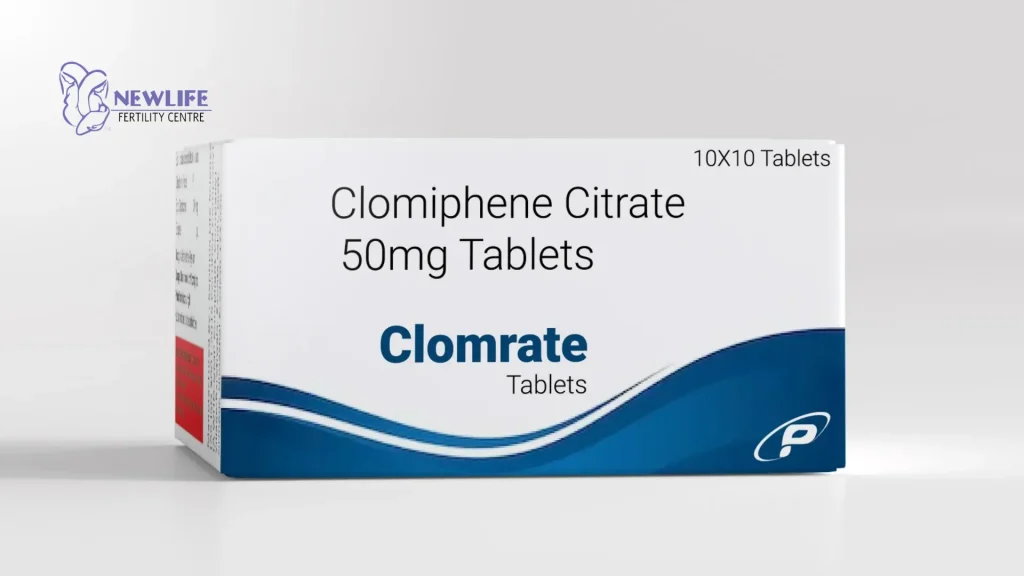
Clomiphene is a selective oestrogen receptor modulator, also called a SERM.
In some men, it can change the hormone signals that control testosterone production. This may help support the hormones involved in sperm production without giving testosterone directly.
A fertility specialist may consider clomiphene when hormone levels and fertility goals make it a suitable option.
Tamoxifen can affect the hormones involved in sperm production

Tamoxifen is another SERM that has been used in some male fertility treatments.
It can influence the hormone signals involved in reproductive function. Its use in men is generally off-label, so it is not something you should take simply because you want to improve your sperm count.
Whether it could help depends on your hormone levels and the reason for your fertility concerns.
hCG can stimulate testosterone production in the testes

Human chorionic gonadotropin, or hCG, acts in a similar way to luteinising hormone.
It can stimulate the testes to produce testosterone. This can be useful for men whose bodies are not producing enough of the hormones needed for normal testicular function.
hCG is used in particular cases, including some men with hypogonadotropic hypogonadism. It is not a general fertility drug for every man with a low sperm count.
FSH plays a role in sperm production
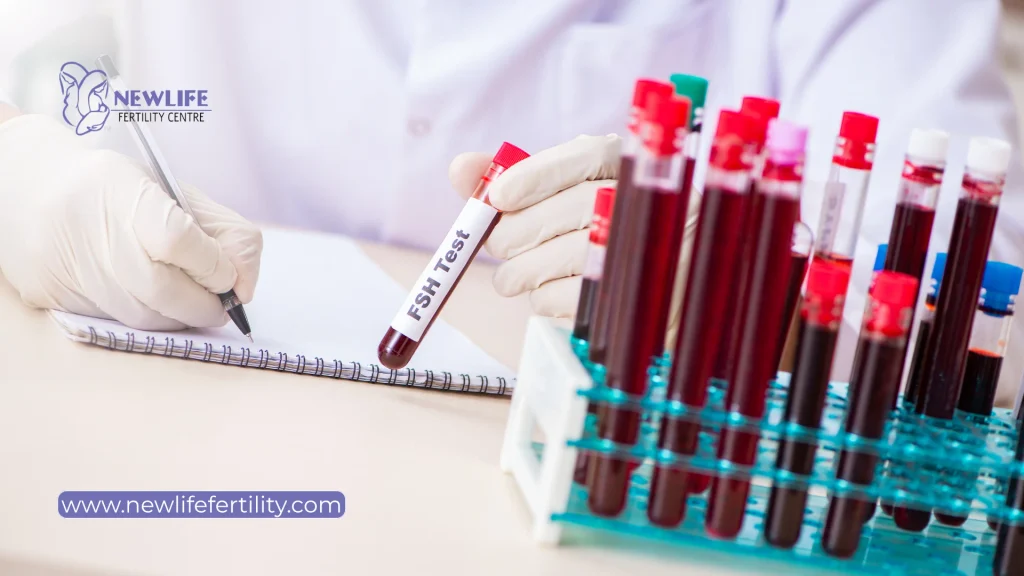
Follicle-stimulating hormone, or FSH, is involved in the process of making sperm.
Some men with specific hormone deficiencies may receive FSH as part of fertility treatment. It may be used alongside other hormone treatments when the body’s natural signals are not supporting sperm production properly.
Having a low sperm count alone does not mean you need FSH. Your hormone results and the cause of the problem need to be looked at first.
Anastrozole can change the balance between testosterone and oestrogen
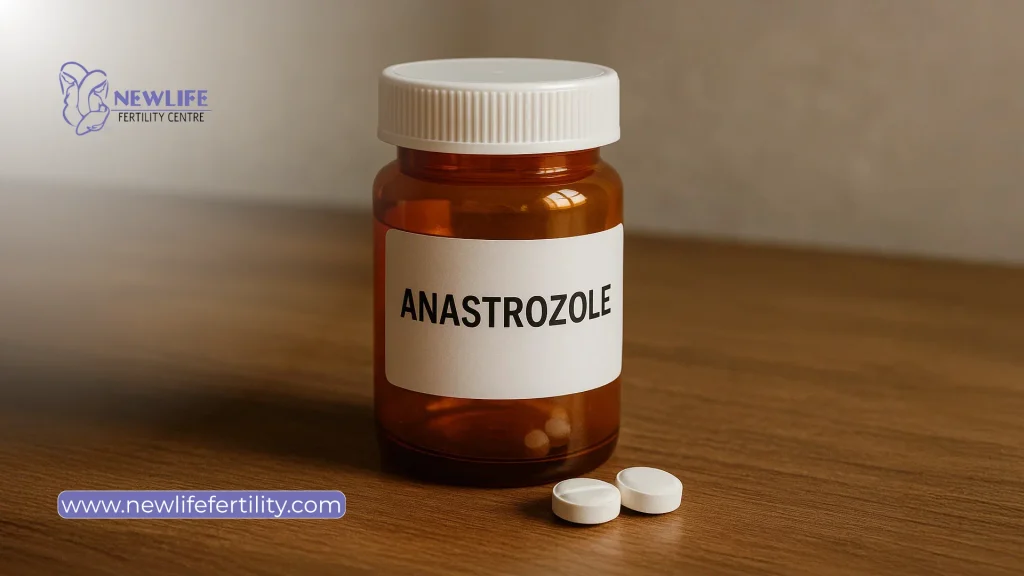
Anastrozole belongs to a group of medicines called aromatase inhibitors.
It reduces the conversion of testosterone into oestradiol. In some men with low testosterone and elevated oestradiol, this may help improve the hormone balance.
It is not a general male fertility enhancer. A doctor may consider it only when your test results point towards a hormonal reason for using it.
Letrozole can also affect testosterone and oestrogen levels
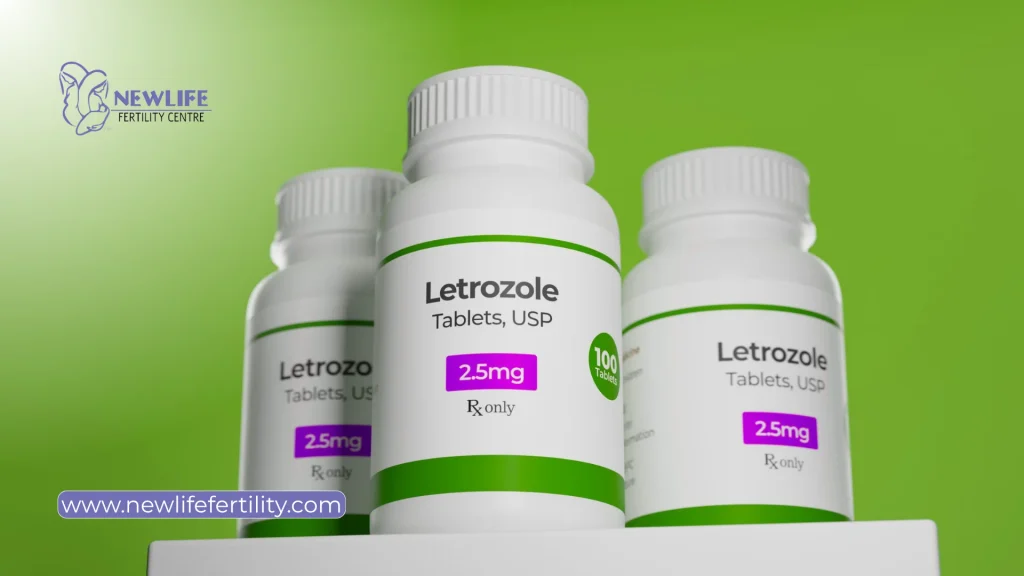
Letrozole is another aromatase inhibitor.
Like anastrozole, it changes how testosterone and oestradiol are balanced in the body. It may be considered for some men with particular hormone patterns.
It is not suitable for everyone, and your doctor needs to look at your hormone results before recommending it.
Medicines that lower prolactin can treat a hormone problem

High prolactin can interfere with the hormones involved in male reproductive function.
If your prolactin level is high, your doctor will usually want to find out why. Depending on the cause, treatment may include a medicine that lowers prolactin, such as cabergoline or bromocriptine.
The aim here is to treat the hormone problem that may be affecting fertility rather than simply give you a fertility enhancer.
How effective are drugs to enhance male fertility?

This depends heavily on what is causing the fertility problem.
A drug may be useful when a man has a particular hormonal condition. It may have little benefit when the cause of infertility is something else.
Your semen analysis can give your doctor information about sperm count, movement and other sperm characteristics. Hormone testing may also be needed, particularly when there are signs of a hormonal problem.
Vitamins for male fertility enhancement are a little different. You will find plenty of products containing vitamins, minerals and antioxidants that are marketed for sperm health. But current evidence does not show that a particular vitamin or supplement reliably treats male infertility in everyone.
If you have a nutritional deficiency, correcting it can be useful. Taking more supplements than you need does not necessarily mean better sperm or better chances of pregnancy.
What should you know before taking a male fertility enhancer

A fertility product is not automatically right for you just because it worked for someone else.
A few things are worth keeping in mind:
- Do not start prescription fertility drugs without medical advice.
- Tell your doctor about medicines, vitamins and supplements you are already taking.
- Do not assume that a product sold as a natural male fertility enhancer is safe or effective for you.
- Be careful with products that promise to increase fertility quickly.
- Do not use testosterone treatment as a way to improve fertility. It can reduce sperm production.
- Give your treatment time. Changes in sperm production do not happen overnight.
The same applies to supplements. If you are taking several products at the same time, your doctor should know what is in them.
What fertility treatment is right for you?
There is no single drug that works for every man with fertility problems.
The first step is finding out what may be affecting your fertility. A semen analysis is an important part of the assessment. Depending on your symptoms and results, your doctor may also recommend hormone testing or other investigations.

Once the cause is clearer, you can discuss whether medication could help.
At NewLife Fertility, your assessment can look at the factors that may be affecting your fertility rather than simply recommending a product and hoping it works. The team can help you understand your semen analysis, hormone results and treatment options based on your individual situation.
If you are trying to conceive and have concerns about sperm health or fertility, you can book a consultation with NewLife Fertility to discuss what to do next.
Frequently asked questions about male fertility enhancing drugs
Depending on the cause, a fertility specialist may consider drugs such as clomiphene, hCG, FSH or an aromatase inhibitor. Treatment depends on your hormone levels, sperm results and the underlying problem.
No. Male fertility problems have different causes, so a treatment that helps one person may not help another.
Vitamins and antioxidants are often marketed for sperm health. They may be useful when you have a nutritional deficiency, but there is not enough evidence to recommend a particular supplement as a treatment for male infertility in everyone.
It depends on what the product contains. A product designed to improve sexual performance is not necessarily going to improve sperm production. Testosterone-containing products can actually reduce sperm production.
No. Testosterone therapy should not be used as a fertility treatment. Testosterone taken from outside the body can suppress the hormones needed for sperm production.
If you have been trying to conceive without success, have an abnormal semen analysis, or have concerns about your hormones or reproductive health, a fertility assessment can help find out what may be going on.