Trying to conceive naturally can sometimes feel like a mix of emotions, where there’s an equal amount of hope, excitement, and confusion as you try everything possible to make it happen. You eat healthy, you try to stay calm, and you keep wondering, “When will natural conception finally happen?”
But here’s something many couples don’t realize: it’s not always about poor sperm or egg quality. It’s simply about timing.
Even when both partners are healthy, the chance of getting pregnant in a single cycle is only about 33%.
| According to The New England Journal of Medicine, even when couples had sex at the exact right time on the day of ovulation, the chance of getting pregnant was still only about 33% in that cycle. |
That’s why understanding everything from ovulation timing to fertility signs can make a real difference in your conception journey.
Learning how to prepare both physically and emotionally can improve your chances. You can read more about this in our blog on trying to conceive in Canada, where we share practical steps to align your health and hope on your fertility journey.
So, before you start worrying, let’s slow down and understand how pregnancy actually happens in the most natural way. Because when you understand your body’s rhythm, you also understand how beautiful and precise nature’s process really is.
Natural conception: how pregnancy happens naturally
Pregnancy might look simple from the outside, but it’s actually a tiny bit more magical and complex than it seems. You’ll soon see why.
It’s not just about a single moment; it’s about many little miracles happening quietly in perfect rhythm, each one bringing you a step closer to a new life.
Each month, the female body releases an egg during ovulation, waiting for the right time to meet the sperm. When you have intercourse during your fertile window, the few days before and around ovulation, the sperm travels through the uterus to reach the egg.
If one sperm succeeds in fertilizing the egg, it slowly moves toward the uterus and gently attaches to the uterine lining. This is implantation, the beginning of new life.
It’s simple, natural, and beautifully timed, just like nature wanted us to do.
For a clearer picture, let’s look at the step-by-step process of how natural conception happens.
The natural conception process: Step by step

Getting pregnant naturally is a beautifully synchronized process where your body and your partner work together in perfect timing. Here’s how it happens:
Ovulation: When the egg is released
Every month, one of the female ovaries releases a single mature egg (sometimes two, which can result in fraternal twins). This is called ovulation. It usually happens about two weeks before your next period. The egg then travels through the fallopian tube, where it can be fertilized for about 12 to 24 hours.
Sperm’s journey to meet the egg
After ejaculation, millions of sperm begin their journey through the cervix, uterus, and into the fallopian tubes. But only a few hundred reach the egg, and usually, just one lucky sperm will be able to penetrate and fertilize it.
Fertilization: When life begins
Once a sperm successfully meets and enters the egg, fertilization happens. This single cell, now called a zygote, carries a complete set of genetic information from both parents.
Implantation: The start of pregnancy
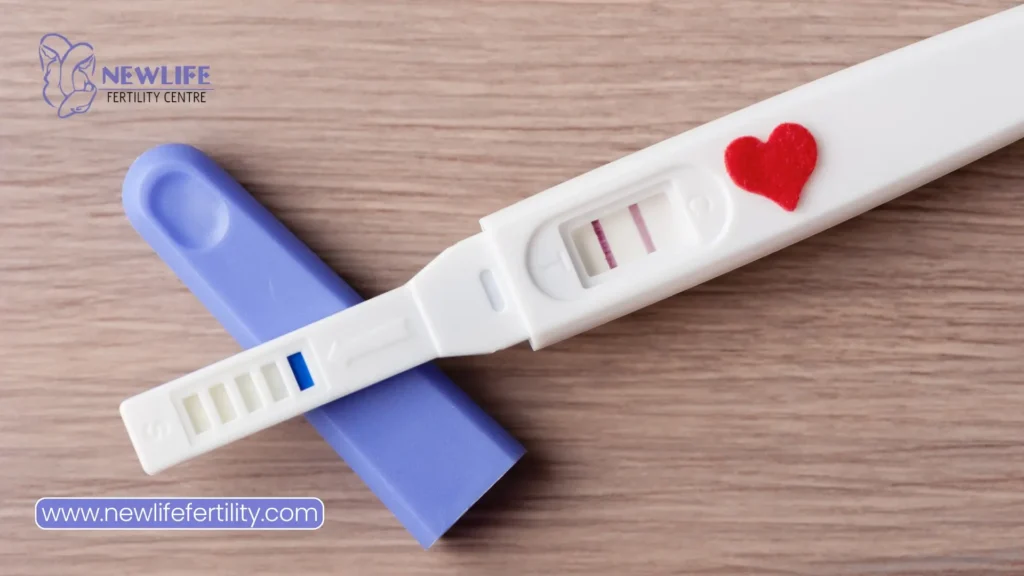
The fertilized egg travels to the uterus, where it embeds itself into the uterine lining, a process called implantation. Once this happens, pregnancy begins, and your body starts producing hCG (human chorionic gonadotropin), the hormone detected in pregnancy tests.
Factors that affect natural conception

Even though nature has its own beautiful rhythm, a few small things can quietly influence how smoothly natural conception happens. Here are some factors that might slow down or affect the process of natural conception.
Timing of ovulation
Knowing when a female body ovulates is like knowing when the door to conception opens. Having intercourse during your fertile window, generally a few days before and on the day of ovulation, gives you the best chance.
Age
We often say age is just a number, but when it comes to fertility, age gently changes the story. For women under 35, the chances of conception are higher, whereas fertility naturally begins to slow after that. And for men, sperm quality and quantity can slightly decline with age.
Stress and emotional balance
Your mind and your body are deeply interconnected. A lot of stress can affect your hormones and ovulation cycle. So taking time to relax, meditate, or just breathe can make a quiet but powerful difference.
Nutrition and lifestyle
What you eat becomes the foundation of your reproductive health. A diet rich in fruits, vegetables, protein, and good fats supports both egg and sperm quality. It’s also important to avoid smoking, alcohol, and too much caffeine, as they can also affect fertility.
Underlying health conditions
Sometimes, hormonal imbalances, thyroid issues, PCOS, or blocked fallopian tubes can make conception a bit more challenging, but remember, they’re not the end of the road. With early diagnosis and the right guidance, many couples still conceive naturally.
Tips to boost your chances of natural conception

Here, I’ve shared some simple yet important steps that can help increase your chances of conceiving naturally.
Healthy eating
What you eat forms the foundation of your reproductive health. A colorful plate with fresh fruits, leafy vegetables, proteins, and healthy fats keeps your hormones balanced and supports both egg and sperm quality. Try to limit caffeine, alcohol, and smoking, as they can quietly affect fertility.
Regular cycles
Your menstrual cycle is like your body’s natural rhythm. When it runs smoothly, it tells you your hormones are in balance. If your periods are irregular, it may be harder to predict ovulation, so eating right, sleeping well, and reducing stress can help your cycle stay regular.
Stress management
Your mind plays a big role in your body’s ability to conceive. High stress can delay ovulation and affect hormone levels. Simple habits like deep breathing, meditation, or just taking evening walks can help calm your mind and support your body.
Tracking ovulation
Understanding your fertile window is key. You can use ovulation kits, apps, or even watch for signs like a rise in body temperature or changes in cervical mucus. These small clues help you know when your body is most ready for conception.
When to seek medical advice during natural conception

Sometimes, even when you do everything right, putting in every ounce of your blood and sweat, eating well, tracking your cycle, staying calm, and staying hopeful, things may still take a little longer. And that’s completely okay.
If pregnancy doesn’t happen after 6 to 12 months of regular, unprotected intercourse (or even sooner if you’re over 35), it might be time to reach out for a little extra help from experts associated with the best fertility clinics in Canada, who can evaluate your fertility and suggest the right next steps.
Fertility care today is gentle, supportive, and designed to work with your body, not against it. At NewLife Fertility Centre, experienced specialists can help you understand what’s happening inside your body, find possible causes, and guide you with treatment options like IUI or IVF, depending on your needs.
Because sometimes, all you need is a caring hand and the right timing, and nature will do the rest.
A quick story of me and my wife when we were trying to conceive naturally
I still remember those days when I realized that trying to conceive wasn’t just about timing or biology, it was about patience, understanding my body, and not letting myself rush over things.
My life felt like a roller coaster of emotions. There were moments of hope, moments of doubt, and in between, tiny lessons that taught me how beautifully complex this journey can be.
Eating right, learning about my cycle, and managing stress seemed to me a waste of time and effort in the beginning, but slowly, it made me feel more connected to myself. And that’s when the real healing began.
So if you’re on this path too, please remember.
It’s okay to take your time. It’s okay to feel everything. And it’s okay to ask for help when you need it!
Whether you conceive naturally or with a little guidance, remember that what truly matters is your faith in the journey because it’s already unfolding beautifully, one step at a time.
If you’re ready to take that next step toward your dream of parenthood, book your free consultation today at NewLife Fertility and let their experts walk beside you on this incredible path to new beginnings.
Frequently asked questions about natural conception
For the maximum number of healthy couples, it can take anywhere from a few months to a year of regular and unprotected intercourse to conceive naturally. Every body has its own rhythm, so patience and consistency are key to success and to conceiving naturally.
While stress alone doesn’t directly cause infertility, it can affect your hormones, menstrual cycles, and even ovulation timing. Finding small ways to relax through meditation, light exercise, or open conversations with your partner can help your body stay in sync.
Track your ovulation, eat balanced meals rich in fruits, vegetables, and good fats, and maintain a healthy lifestyle. Limiting alcohol, smoking, and caffeine also plays a big role in supporting your fertility.
If you’ve been trying to conceive for 12 months (or 6 months if you’re over 35) without success, it’s wise to seek medical advice. At NewLife Fertility, you can book a free consultation to explore gentle and supportive options designed to guide you closer to parenthood.