Trying. Hoping. Waiting.
Month after month, tracking cycles, checking symptoms, and seeing single lines on test after test. It’s exhausting. And when the usual ways don’t work, it’s only natural to start looking for answers.
Becoming a mother is one of the most beautiful experiences in a woman’s life. But for some, due to underlying medical conditions, many of which went undiagnosed years ago, natural conception doesn’t come easily. Thankfully, modern medical science has come a long way. Today, treatments like intrauterine insemination (IUI), in vitro fertilization (IVF), and artificial insemination offer real hope to couples trying to conceive.
Among these, artificial insemination stands out as a simple yet effective solution for many. If your doctor has recommended this path, knowing what happens after the procedure becomes just as important as the treatment itself.
That’s where artificial insemination comes in.
Understanding the details of the artificial insemination timeline gives you clarity at every stage from the day of insemination to the first signs of pregnancy. Each week can bring new changes, symptoms, and emotions. And when you know what to expect, it’s easier to stay calm and confident.
What is the artificial insemination process?
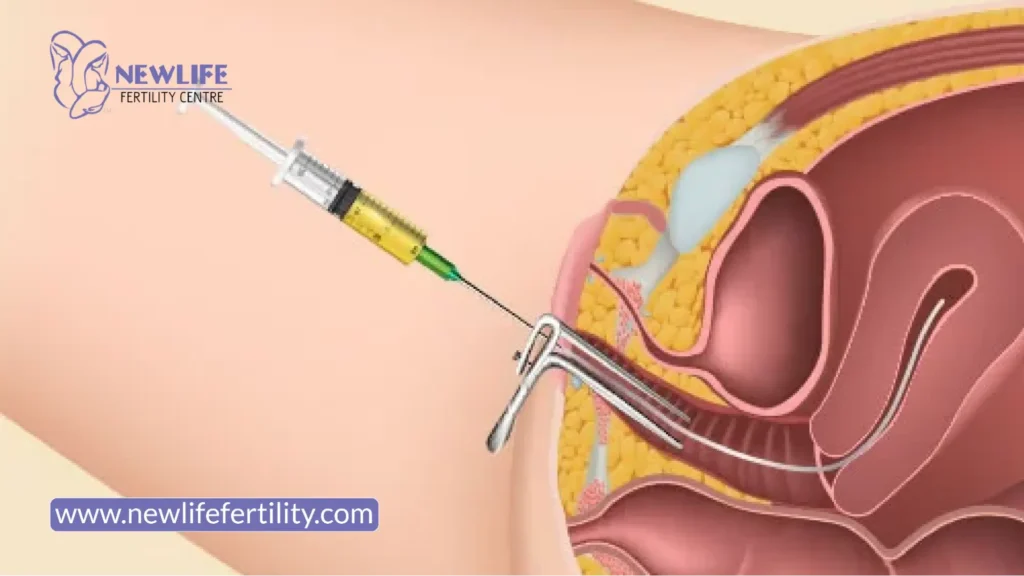
Artificial insemination is a medical procedure that helps women to get pregnant when it doesn’t happen naturally. In this process, specially prepared sperm is placed directly into the uterus (womb) around the time of ovulation. This helps increase the chances of the sperm meeting the egg and starting a pregnancy.
It’s often used when couples are facing fertility challenges like low sperm count, mild endometriosis, or unexplained infertility. The artificial insemination timeline begins with consultation and testing, followed by ovulation tracking, the insemination itself, and then a two-week wait to check for pregnancy.
In this blog, we’ll walk you through the complete week-by-week artificial insemination timeline so you can move forward with reassurance and strength.
Let’s explore the artificial insemination timeline week by week together
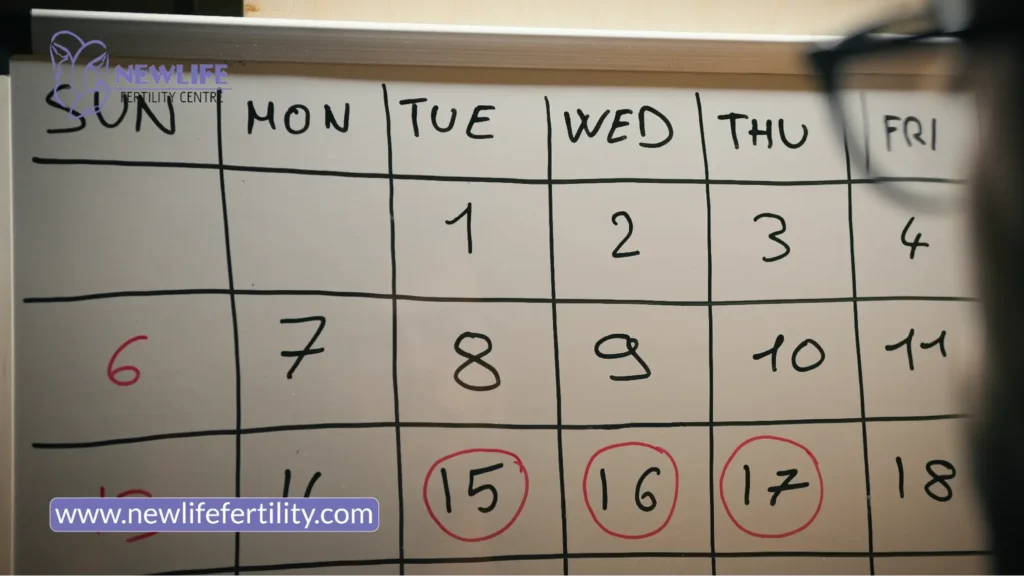
Embarking on the path of artificial insemination can feel overwhelming, but knowing what to expect each week can ease the journey. From initial tests and hormone tracking to the procedure itself and the emotional two-week wait, every phase plays a vital role. This step-by-step artificial insemination timeline is designed to guide you with clarity, support, and confidence, so you feel prepared, informed, and hopeful at every stage.
Week 1: Diagnostic testing and consultation

Before beginning treatment, patients undergo several fertility evaluations. These may include:
- Blood tests
- Semen analysis
- Sexually transmitted infection (STI) screening
- Uterine ultrasound
- Hysterosalpingogram (HSG) or sonohysterogram
- General health screening
This phase helps doctors understand the root cause of infertility and decide if artificial insemination is suitable. It may take 2–3 months in total.
Week 2: Start of treatment in sync with your cycle
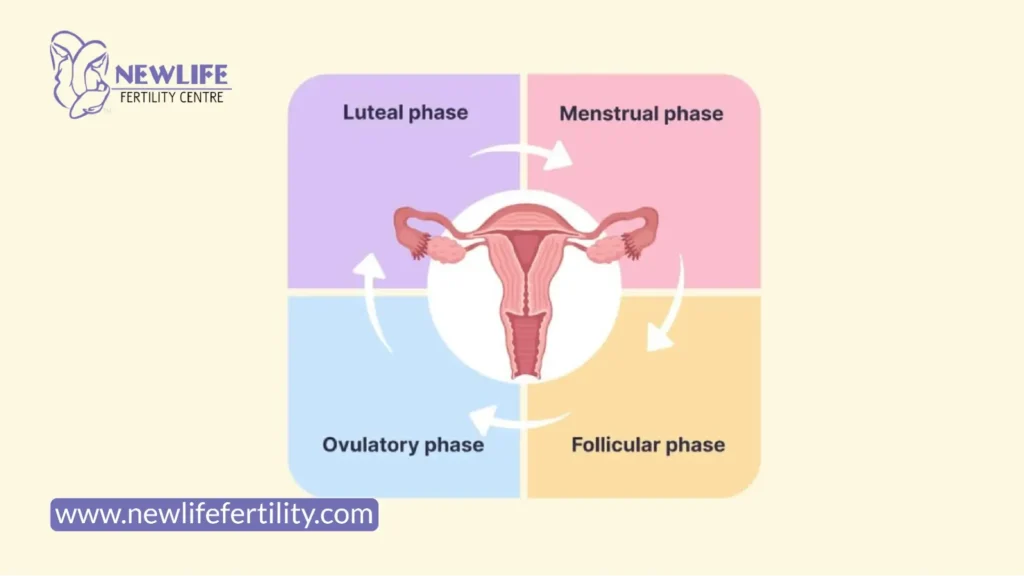
The artificial insemination timeline begins in alignment with your menstrual cycle. Here’s what typically happens:
- Day 1: First day of active bleeding, contact your clinic
- Official treatment begins on this day
Week 3: Hormone tests and fertility medications
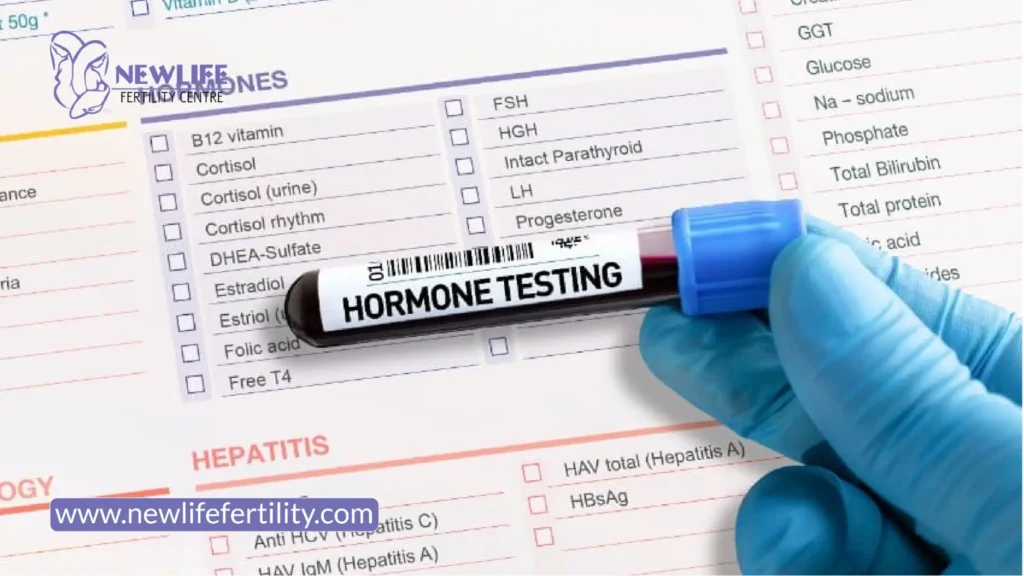
On day 2 or 3 of the cycle:
- Hormone levels are checked
- Ultrasound may be done
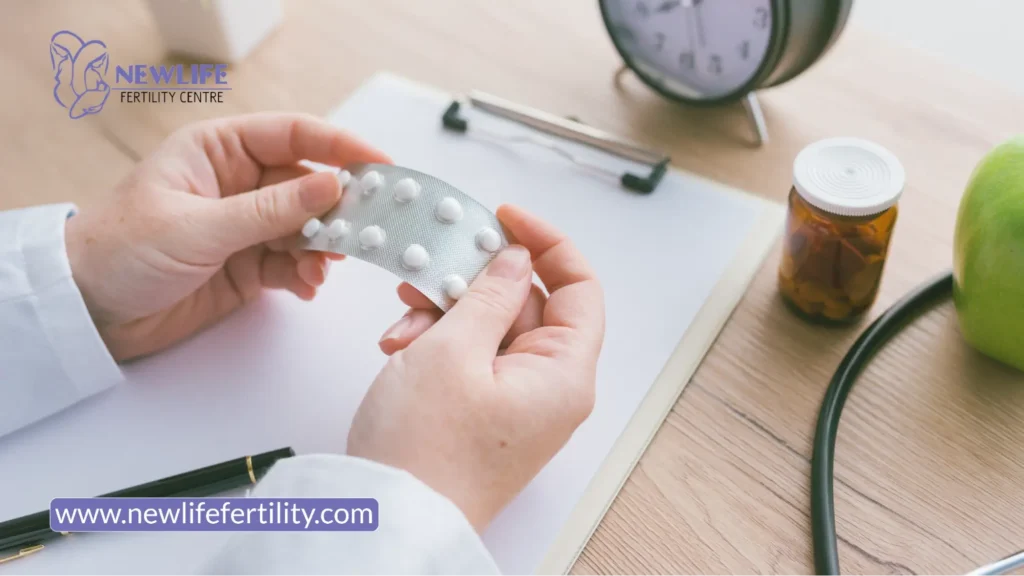
Based on these, medications are prescribed to stimulate egg growth:
- Clomiphene citrate (Clomid® / Serophene®)
- Letrozole (Femara®)
- Human chorionic gonadotropin (hCG)
- Follicle-stimulating hormone (FSH)
This step is crucial in the artificial insemination timeline to ensure mature follicles.
Week 4: Monitoring and medication adjustments
Between days 5–10, you’ll visit the clinic for:
- Ultrasound to monitor follicles
- Hormonal blood tests
- Medication dose adjustments, if needed
This monitoring ensures you’re responding well to the medication before the trigger shot.
Week 5: Trigger shot and ovulation timing
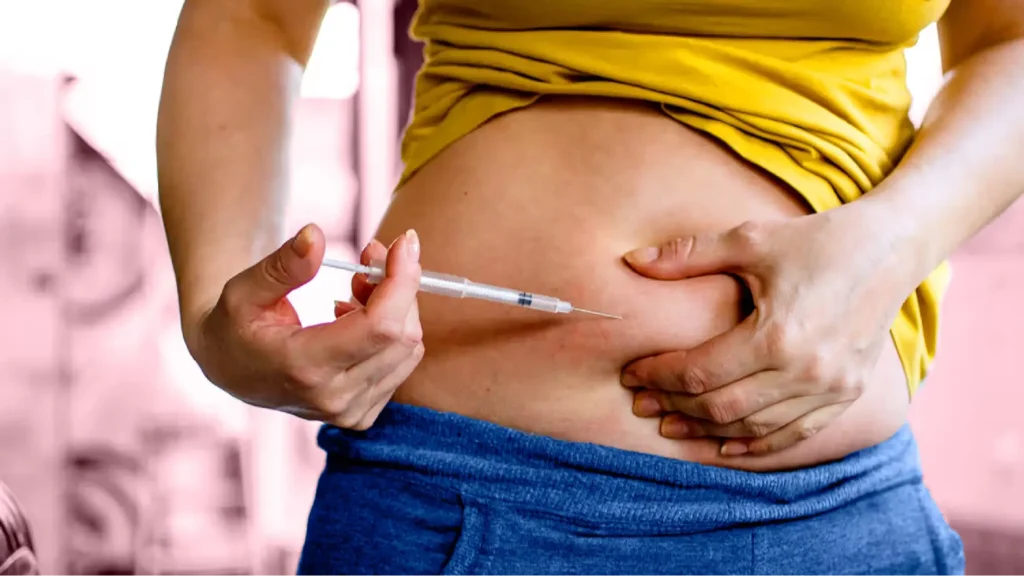
Once follicles reach an optimal size:
- You’ll receive an hCG trigger shot
- This causes the egg to mature and ovulate within 24–36 hours
The artificial insemination timeline relies on perfecting this window to schedule insemination.
Week 6: The IUI procedure

The IUI (intrauterine insemination) procedure typically occurs the day after the trigger shot:
- Quick and painless (like a Pap smear)
- No anesthesia needed
- A thin catheter places washed sperm into the uterus
- You’re asked to lie down for 10–30 minutes afterward
This is the core step of the artificial insemination timeline.
Week 7: The two-week wait and pregnancy testing

After insemination, begins the most emotionally intense part of the artificial insemination timeline, the two-week wait.
- Blood pregnancy test (beta hCG) is done 14 days post-IUI
- Avoid home pregnancy tests (they may give false results due to medication)
Daily breakdown: The first 20 days of artificial insemination

| Day | Process |
| Day 1 | First consultation and basic tests begin |
| Day 2 | IUI (artificial insemination) procedure is done |
| Day 3 | You may notice mild spotting |
| Day 4 | Body prepares for possible fertilization |
| Day 5 | Sperm and egg may meet (fertilization can occur) |
| Day 6 | Implantation of the embryo may begin |
| Day 7 | Spotting could happen as embryo attaches |
| Day 8 | Implantation may continue; mild cramps possible |
| Day 9 | Hormones start rising if implantation was successful |
| Day 10 | Early pregnancy signs might start (breast tenderness, fatigue) |
| Day 11 | Embryo cells multiply and grow |
| Day 12 | You may feel emotional or tired due to hormone changes |
| Day 13 | Embryo becomes more stable in the uterus |
| Day 14 | Blood pregnancy test can be done (beta hCG) |
| Day 15 | Fertilization confirmation if pregnant |
| Day 16 | Egg hardens to prevent more sperm entry |
| Day 17 | Embryo starts dividing into more cells |
| Day 18 | A tiny ball of cells forms (called morula or early embryo) |
| Day 19 | Embryo becomes a blastocyst (ready to implant deeper) |
| Day 20 | Blastocyst fully embeds into the uterus lining |
This structured approach shows how detailed and carefully timed the artificial insemination timeline really is.
IUI timeline comparison: With vs. without medication

This comparison shows how timing, medications, and monitoring differ between approaches. Understanding these variations helps tailor the artificial insemination timeline for the best chances of success.
Natural cycle IUI
- Cycle day 11: Start LH surge testing
- Cycle day 12: Ultrasound check
- Trigger shot is administered when ovulation nears
- Insemination within 24–36 hours of ovulation
Clomid-stimulated cycle
- Cycle day 3–7: Clomid tablets taken
- Mid-cycle: Ultrasound + hormone testing
- Trigger shot when follicles mature (18 mm)
- IUI happens within 1–2 days
Both routes follow a version of the artificial insemination timeline based on individual fertility needs.
What to expect after artificial insemination

These symptoms are normal as your body responds to hormonal changes and the procedure. Tracking them can help you understand your artificial insemination timeline and prepare for the two-week wait.
Physical symptoms may include:
- Mild cramps
- Spotting
- Breast tenderness
- Mood swings
- Fatigue
Emotional symptoms often include:
- Anxiety
- Hope with uncertainty
- The need for support
Possible pregnancy signs during the final stage of the artificial insemination timeline:
- Implantation bleeding (days 6–9)
- Nausea
- Breast changes
- Frequent urination
- Positive pregnancy test after day 12–14
Risks and side effects of artificial insemination
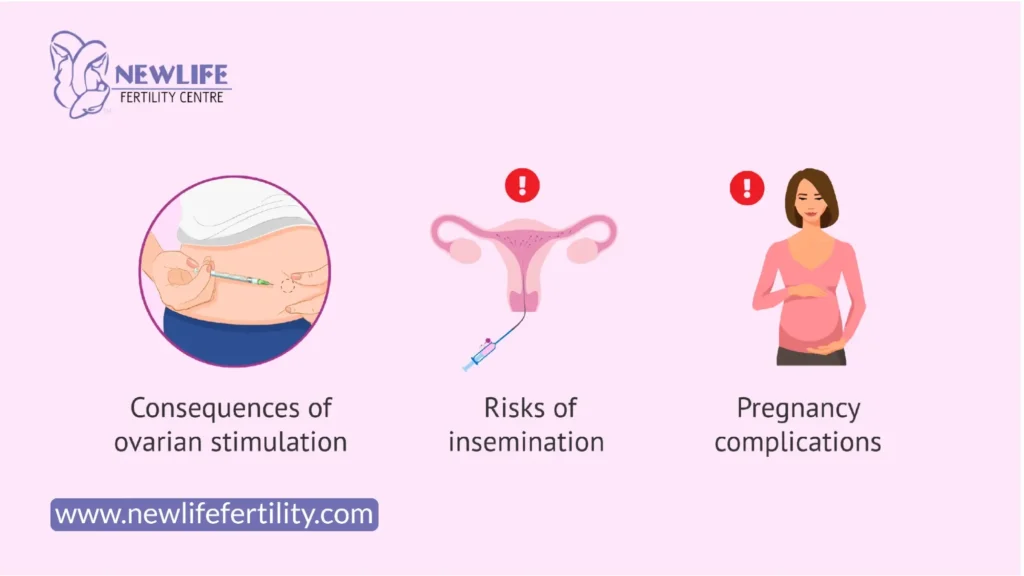
Most side effects are temporary and mild, but monitoring your symptoms is important. Early detection and medical guidance can ensure a safer artificial insemination timeline.
Mild risks:
- Spotting
- Cramping
Less common risks:
- Infection
- Ovarian hyperstimulation syndrome (OHSS)
- Multiple pregnancies
Always consult your fertility specialist if you experience any concerns during the artificial insemination timeline.
What is the difference between IVF and AI (artificial insemination)?

Artificial insemination (AI), including intrauterine insemination (IUI), involves placing sperm directly into the uterus during ovulation to improve the chances of natural fertilization inside the body. In this process, sperm are “washed” to select the healthiest ones and then inserted using a thin catheter. Fertilization, if successful, happens naturally in the fallopian tube.
In contrast, in vitro fertilization (IVF) takes place mostly outside the body. Eggs are retrieved from the ovaries, fertilized with sperm in a lab, and once an embryo forms, it’s transferred into the uterus. IVF bypasses the fallopian tubes entirely and is often used for more complex fertility issues.
While AI is less invasive, simpler, and more affordable, it also has a lower success rate per cycle. IVF offers higher success rates, but it involves more steps, hormonal stimulation, and cost.
Understanding the cost in your artificial insemination timeline

Planning for pregnancy often comes with emotional and financial questions. One of the most common concerns along the artificial insemination timeline is: How much will it cost?
While costs can vary depending on your treatment plan and clinic, a single artificial insemination cycle typically ranges from $700 to $4,000. If donor sperm is required, that can add around $800 to $1,200 per vial. Fertility medications, if prescribed, may increase the total expense. Insurance coverage can sometimes help offset these costs, depending on your provider and policy.
Empowering your artificial insemination timeline with expert fertility support
Every fertility journey is unique, and so is the timeline that comes with it. Whether you’re just beginning or already exploring treatment, understanding each step of the artificial insemination timeline can bring clarity, confidence, and a sense of control.
At NewLife Fertility Centre, we’re here to walk alongside you through every stage. Our dedicated team offers personalized care, expert guidance, and leading fertility solutions to help you move forward with purpose. We understand the emotional and physical challenges that come with fertility treatments, and we’re committed to making your experience as supportive and seamless as possible.Have questions? Book your free consultation today and take the next step with confidence.