Let me tell you something!
Back in the old days, when I was teenager, I noticed that no one ever spoke openly about infertility. If a couple could not have children, people just said “it is God’s will” and that was the end of the conversation.
But today, times have changed. Science has changed. And one of the biggest miracles I have witnessed in my lifetime is IVF, in vitro fertilization.
You have probably heard the word tossed around. Maybe you have searched What is IVF treatment? or wondered IVF, what is it really?
Well, pull up a chair and imagine me telling this to you like a grandparent telling stories by the fire, because IVF is not just a medical term. It is a story of hope, patience, and the unshakable human desire to bring a NewLife into this world.
Ready for it? Let’s get started.
What is in vitro fertilization (IVF)?
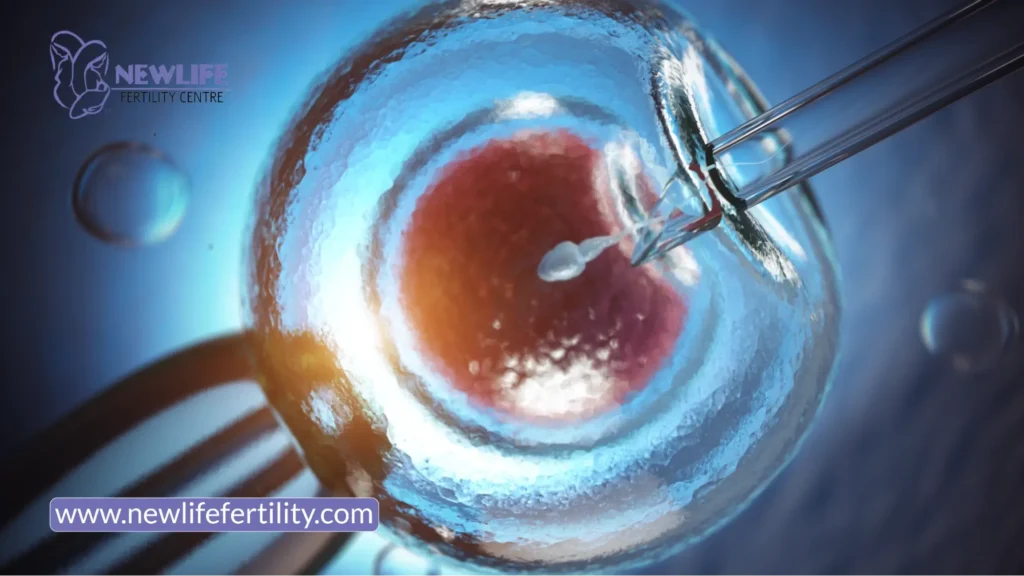
The full form of IVF is in vitro fertilization. “In vitro” means “in glass,” and “fertilization” means “fusion.” Meaning instead of the egg and sperm meeting inside the body, the doctors bring them together in a laboratory dish.
Think of it like planting a seed in a nursery before moving it into the flowerpot or garden. Once the embryo forms, it is placed back into the womb, where pregnancy can happen naturally.
That is why you will hear people say things like:
What is IVF treatment?
What is in vitro fertilization exactly?
What is the IVF process?
The answer is simple: IVF is a medical procedure to help create life outside the body first, then gently place it back inside where it belongs.
How does IVF work? Step-by-step guide
IVF, or in vitro fertilization, may sound difficult, but it follows simple steps. Understanding each step can help couples feel more confident. Here is a step-by-step guide to IVF treatment.
Ovarian stimulation & egg retrieval
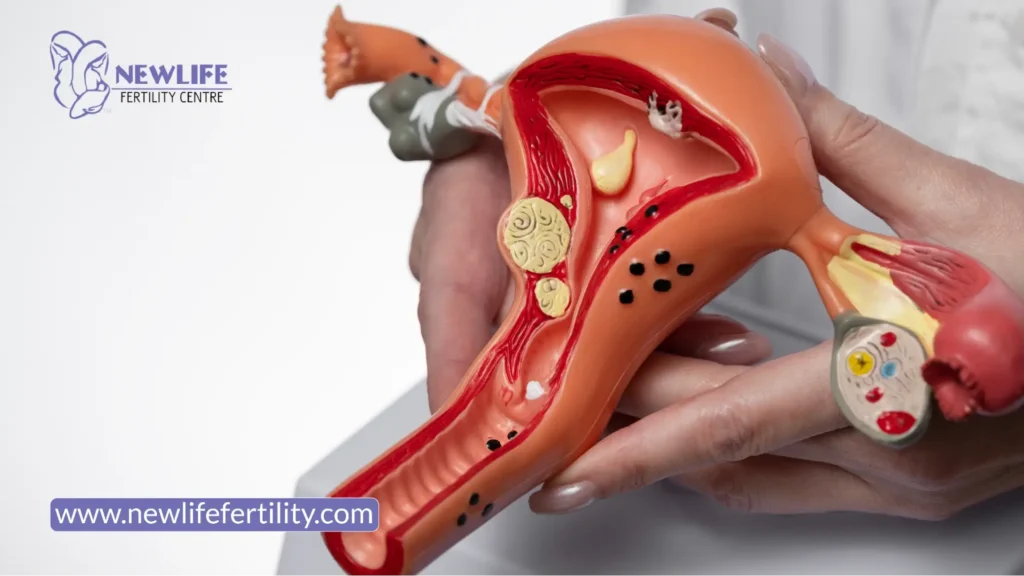
The first step in IVF treatment is to help the ovaries make more eggs. Fertility doctors give hormone injections for several days. These injections make the ovaries produce many mature eggs, instead of just one like in a natural cycle.
When the eggs are ready, doctors collect them using a small procedure. They use ultrasound to guide a thin needle to take the eggs from the ovaries. This is done quickly under light sedation, so it is safe. This step is part of in vitro fertilization.
Sperm collection & fertilization
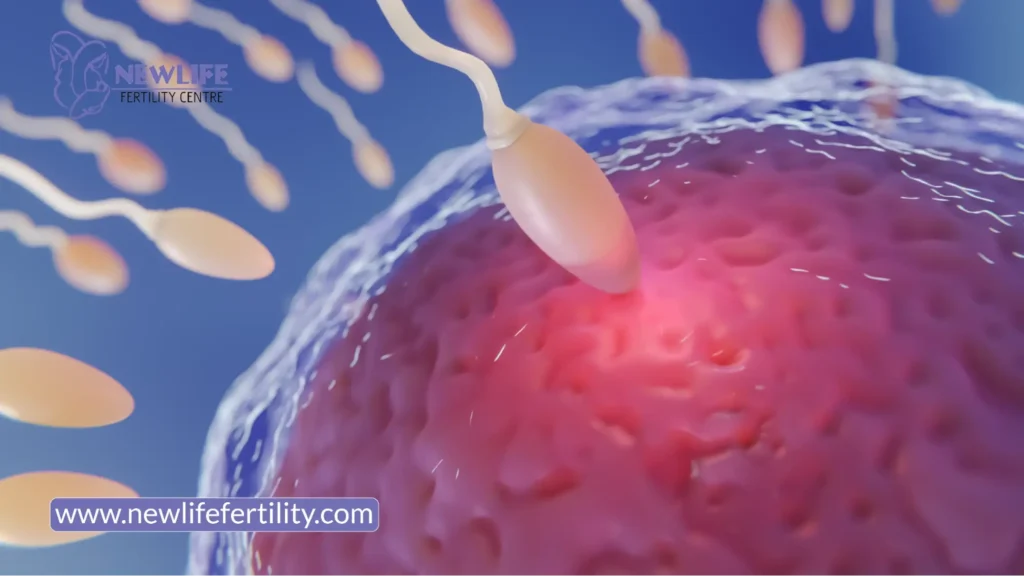
At the same time, sperm is collected from the partner or a donor. The best sperm are selected and prepared for fertilization. In in vitro insemination, the eggs and sperm meet in a laboratory dish. This allows the sperm to fertilize the eggs outside the body.
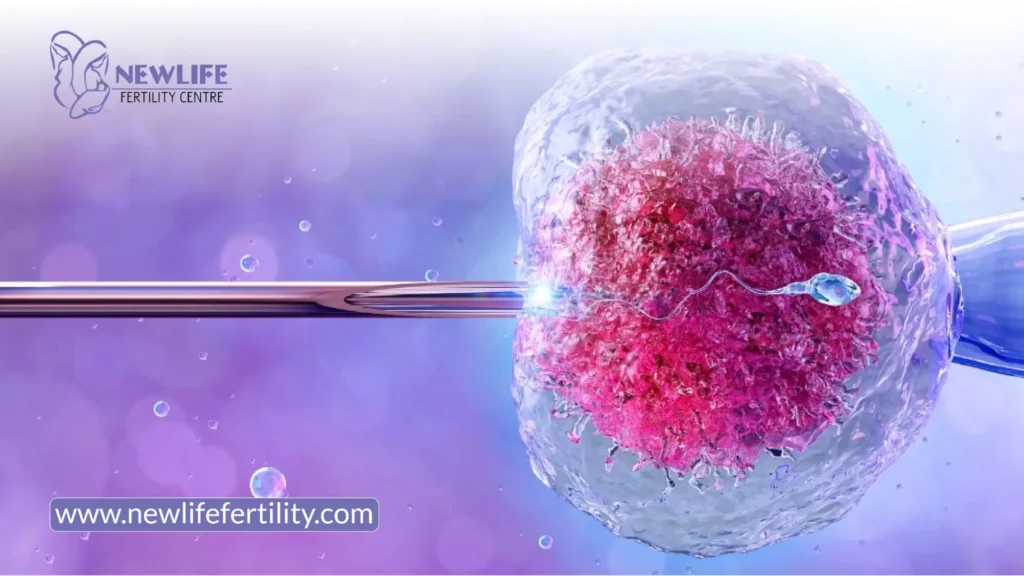
Sometimes, one sperm is directly injected into an egg. This is called intracytoplasmic sperm injection (ICSI). It helps when there are problems with male fertility. This careful lab process is known as vitro insemination or in vitro fecundation.
Embryo culture & transfer
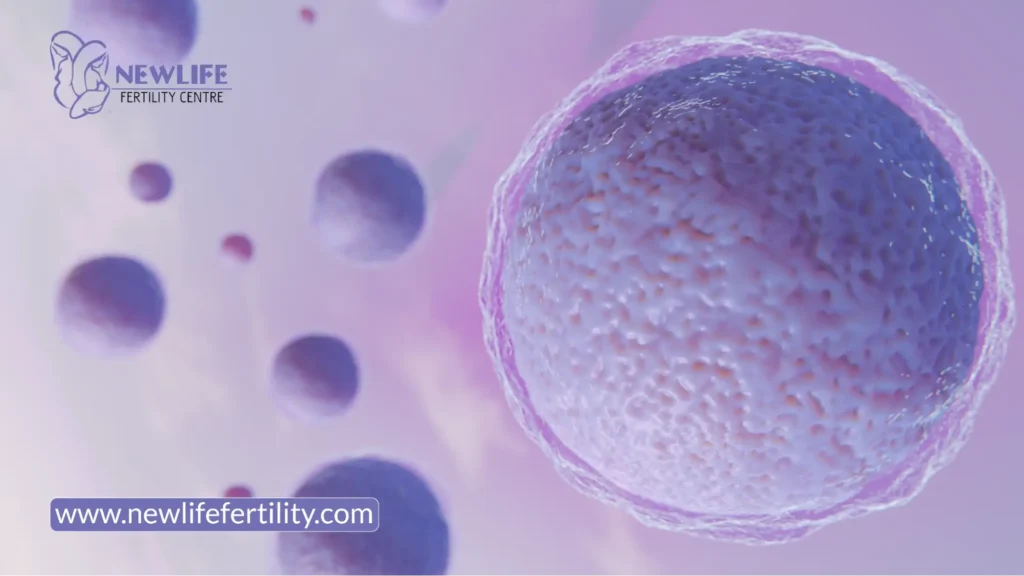
After fertilization, the embryos are watched carefully in the lab. Doctors observe them for 3–5 days and pick the healthiest ones for transfer. This stage is called embryo in vitro fertilization.
The selected embryo is then placed into the uterus using a thin catheter. If it implants in the uterine lining, it will start to grow into a baby. This is called vitro pregnancy or ivf pregnancy, which means conception has happened in vitro.
Post-transfer care & pregnancy test

After the embryo transfer, patients rest and follow doctor’s instructions. They may take hormone supplements to help the embryo implant. About 10–14 days later, a blood test shows if pregnancy has happened.
After success, couples can have an IVF baby. This whole process, also called in-vitro fertilization, shows what is vitro fertilisation and how medicine can help couples have a baby.
Note: Sometimes people call in vitro fertilization as vitro fertilization or even vitro insemination. But no matter what you call it, it is one of the most fascinating miracles of modern medicine.
Types of IVF treatments

IVF treatment is not the same for everyone. Doctors choose the method based on each couple’s fertility needs. Knowing the main types of IVF can help couples pick the right option.
Standard IVF
In standard IVF, eggs are taken from the ovaries and fertilized with sperm in a lab dish. The healthiest embryos are then placed into the uterus. This method is used for couples with unexplained infertility, ovulation problems, or mild male infertility. It is the most common vitro fertilization treatment.
ICSI (Intracytoplasmic Sperm Injection)
ICSI is a special IVF method. One sperm is injected directly into an egg. It helps when the male has very low sperm count or poor sperm movement. ICSI increases the chances of fertilization in ivf vitro.
Donor eggs or sperm
When a couple cannot use their own eggs or sperm, donor eggs or sperm can be used. The process is like standard IVF. This option helps couples with serious fertility issues.
Preimplantation Genetic Testing (PGT)
PGT checks embryos for genetic problems before they are placed in the uterus. It is useful for couples with a family history of genetic disorders or repeated IVF failures. PGT improves the chances of a healthy pregnancy.
Each type of IVF treatment is designed to fit the couple’s needs. Talking to a fertility specialist can help choose the best vitro fertilization treatment for a safe and successful journey.
Why IVF matters: Changing lives through science
Let me tell you something from my heart. Years ago, couples had no options. If nature said no, then it was no. But today, thanks to IVF treatment, people do not have to give up their dreams so easily.
- Couples facing infertility now have a real chance to conceive through in vitro fertilization.
- Women with blocked fallopian tubes, PCOS, or other conditions can still hope for an IVF pregnancy.
- People who waited later in life to start a family can try safely with modern vitro fertilization treatments.
- Same-sex couples and single parents can welcome a child using donor eggs or sperm through IVF.
Yes, people sometimes call the little ones born through IVF “IVF babies.” But let me tell you this: a baby is a baby. There is no difference in the love, the laughter, or the joy they bring. IVF just gives life a doorway to enter.
Common IVF questions I often hear

Over the years, whenever I sit with couples or younger folks curious about fertility, these questions come up again and again:
What is IVF treatment really?
It is the process of creating an embryo outside the body and transferring it into the womb.
IVF, what is it like to go through?
Going through in vitro fertilization can be both emotionally and physically challenging. There are injections, visits to the clinic, and a lot of waiting. But the reward makes it worthwhile.
What is the IVF age limit?
Generally, women under 40 have better chances, but some clinics allow treatment beyond that age with medical evaluation.
Does IVF guarantee pregnancy?
No. IVF increases the chances, but it does not promise. Success depends on age, health, and sometimes plain luck.
What is an IVF pregnancy?
An IVF pregnancy is just like any other pregnancy. The only difference is that the embryo started its journey in a lab before being transferred into the womb.
The emotional journey of IVF: What to expect
Now listen carefully, because this is the part doctors do not always explain. IVF is not just about eggs, sperm, and embryos. It is about waiting rooms filled with silent prayers. It is about injections that sting but are endured with courage. It is about the endless “what ifs” and the strength to try again if it fails.
I have seen couples cry when IVF did not work. I have also seen them cry with joy when it finally did. And through it all, I have learned something important: IVF is not just science, it is hope dressed in a white coat.
Lessons from experience: Insights from fertility specialists
So the next time you hear someone whisper, What is IVF? What is IVF treatment really about? What is in vitro fertilization? you can smile and say:
“It is the science of hope, the bridge between dreams and reality.”
Babies are never defined by the way they are conceived. They are defined by the love, the laughter, and the dreams waiting to embrace them.
And if you are walking this path yourself, let me tell you, you are stronger and braver than you may realize. IVF may not always be perfect, but then again, life never is. Sometimes, it is the imperfectly perfect that gives us exactly what we need.
At NewLife Fertility Centre, we understand that this journey is as emotional as it is medical. That’s why we walk beside you on this journey with compassion, expertise, and unwavering support. Together, we can transform hope into the joy of new beginnings.
Your IVF story is waiting to be written. What will your chapter look like?
Take the first step toward building your family with confidence. Book a free IVF consultation today, and let’s create a new life together.