Welcome to the world of science, where normal people like you and me sometimes feel stuck between similar kinds of words, especially for those who are just here to listen to their adorable little babies cry in their hands.
Today’s words of the day are “in vitro” and “in vivo,” and there is a very high chance that you’ve already come across the terms “in vitro” and “in vivo.” At first, they may sound like complex Latin phrases reserved just for the scientists, but in reality, their meaning is basic, whether an experiment takes place inside the living body or outside of it in a controlled environment.
These terms appear everywhere from discussions about fertility treatments like in vitro fertilization (IVF) to breakthroughs in cancer drug testing. Yet, many people still find them confusing, often mixing them up or mispronouncing them.
In this blog, I’ll break down the true meaning of in vitro and in vivo, highlight their key differences, and show why both are essential to modern science and medicine.
What does “in vitro” mean?

The term “in vitro” comes from Latin, which literally means “in glass.” According to history, whenever experiments are performed in glass test tubes or petri dishes, they are referred to by the term “in vitro.” And in today’s world, this phrase is basically used to describe any research or process carried out on the body of a living organism in a very controlled laboratory environment.
How does in vitro work?
In vitro methods basically allow scientists to study the cells, tissues, or biological processes in isolation, without involving the entire living organism. For example, researchers might observe how cancer cells respond to a new drug in a dish before ever testing it in animals or humans.
Common uses of in vitro research include:
In vitro research helps scientists explore how cells, medicines, and biological processes behave in a controlled lab setting. It allows them to test ideas safely before trying them in a living body.
In vitro fertilization (IVF)
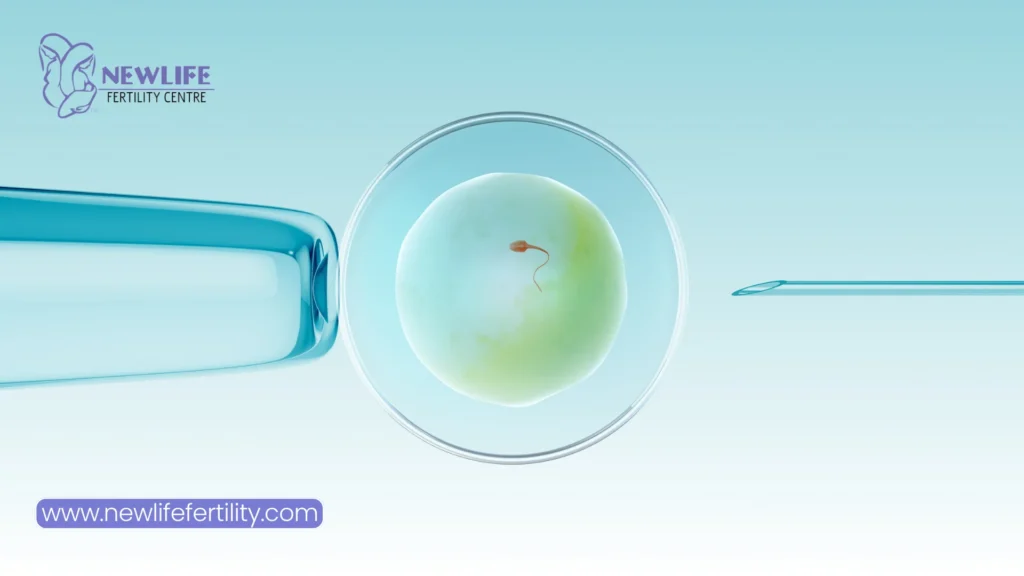
Imagine a tiny seed that needs the right place to grow. In IVF, doctors help an egg and a sperm meet each other in a safe little “dish home” inside the lab. Once they form the very first stage of a baby (an embryo), then it is gently placed back into the mother’s womb, where it can grow naturally. This gives many families who struggle with infertility hope and a chance to hold a baby in their arms.
Drug testing
Before giving a new medicine to people, scientists first test it carefully. Think of it like tasting a small spoonful of soup before serving the whole bowl. In the lab, they check the medicine on cells in a dish to see if it works safely and as expected. If it looks promising, then it can move on to animal studies and later to human trials.
Cell studies
Cells are like the building blocks of life, tiny, invisible bricks that make up our entire body. In vitro studies let scientists watch how these “bricks” grow, divide, and behave when they are in different conditions, like when nutrients are added, oxygen is removed, or medicine is introduced. It’s a bit like watching how plants react when you give them more sunlight or water.
In short, in vitro research provides scientists with a controlled, precise, and cost-effective way to explore biological questions before moving on to more complex testing.
What does “in vivo” mean?

The term “in vivo” also comes from Latin and means “within the living.” Unlike in vitro, which happens in a lab’s glass tube or dish, in vivo experiments take place inside a living body, whether it’s an animal, a human, or even a plant. This allows scientists to see how something works in a real, living system, with all its complexity.
How does in vivo work?
In vivo research helps the scientists to understand how living cells, organs, and systems interact naturally. It’s like testing a new recipe not just in a small bowl, but in a full kitchen to see how it works when everything is cooked and connected in one closed chamber.
Common uses of in vivo research include
In vivo research lets scientists study how medicines, treatments, and biological processes work inside a living body. It helps them understand the full effect on cells, organs, and systems together, not just in isolation.
Clinical trials

When a new medicine or treatment is ready, doctors try it on carefully selected people to see if it works safely. This helps ensure it can be used safely by everyone in the future.
Animal studies
Scientists often study new drugs or treatments in animals first (mostly rats). This is like a practice run to understand effects in a living organism before trying it in humans.
Testing drug effects in humans
After lab tests and animal studies, doctors carefully observe how a treatment behaves in human volunteers. This step shows how the body reacts as a whole, not just isolated cells.
In short, in vivo lets researchers see the full picture of life in action, complementing the detailed, controlled experiments done in vitro.
In vitro vs. in vivo: How they’re different

| Key Differences | In Vitro | In Vivo |
| Where It Happens | In a lab dish or test tube | Inside a living body |
| Environment | Controlled and simple, like a small classroom | Complex and natural, like a busy city |
| Precision vs Reality | High control – change one thing at a time | Shows real-life interactions of cells, organs, and systems |
| Cost & Speed | Faster, cheaper, easier | Slower, costlier, but more realistic |
| Purpose | Explore basic mechanisms safely | Understand full effects in a real organism |
When to use in vitro vs. in vivo research
When you come to a point where you need to understand the process of the experiment, that is, how each and every procedure that is being practiced on humans is reached, here you can understand in a very simple and creative manner.
Scientists usually won’t come straight to testing in a living body. Before that, they start with an in vitro process because it feels safer, faster, and easier to see the result.
Imagine it like practicing a new recipe in a small portion before cooking the full meal, where you can adjust the ingredients and make sure that it’s just right.
Benefits and limitations of in vitro and in vivo
| Type | Benefits | Limitations |
| In Vitro | Fast, cost-effective, precise; allows detailed study of cells and tissues. | Cannot show interactions within a whole organism; results may differ in real-life conditions. |
| In Vivo | Shows how a treatment works in a complete, living system; reveals real-world effects. | Expensive, time-consuming, and sometimes riskier due to live subjects. |
How in vitro and in vivo work together

Think of developing a new medicine:
1/ Scientists start with in vitro meaning testing on cells in lab dishes to see if it works safely.
2/ If it succeeds, they move to in vivo where testing in animals and then humans take place to see how it performs in a real organism.
By combining both, scientists ensure treatments are both safe and effective. The same approach applies in fertility care, using both in vitro and in vivo methods to support conception and healthy pregnancy.
For example: In IVF, a partner’s egg and sperm meet in a carefully prepared lab dish: a tiny, safe “nursery” outside the body. Once fertilization occurs and the embryo forms, it’s gently placed back into the mother’s womb, where it can grow naturally. This delicate combination of lab precision and real-life nurturing gives many families the hope and joy of holding a baby in their arms.
From lab dish to living body: Understanding in vitro and how it helps you
Science can seem tricky, but it’s really about learning, caring, and helping.
Both in vitro and in vivo are important. In vitro lets scientists test safely in a lab, while in vivo shows how things really work inside a living body. Together, they help make medicines safe and give families hope for a healthy pregnancy.
Achieve your dream of parenthood with NewLife Fertility Centre’s personalized fertility solutions.
At NewLife Fertility, we use the best in vitro and in vivo methods with care and patience. From helping an egg and sperm meet in a safe lab dish to supporting a growing baby in the womb, we guide every step.
No matter where you are in your journey, you are not alone. Our team at NewLife Fertility is here to help you take the first step toward your dream of parenthood.
✨ Book your free consultation and start your journey with NewLife Fertility Centre today.
FAQs about in vitro and in vivo
Not exactly, but they are connected. IVF stands for in vitro fertilization, which is one of the most well-known ways we use in vitro techniques. In IVF, eggs and sperm meet in a lab dish, not inside the body, before the embryo is placed back in the womb.
In vitro experiments give scientists a safe, controlled look at how cells behave. But life inside a living body is more complicated. In vivo testing shows how everything works together in real life — the whole system, not just isolated cells.
Not always. Cells in a dish can behave differently than in a living body. That’s why both in vitro and in vivo experiments are important: one gives clues, the other confirms how things really work.
In vitro research is fast, cost-effective, and precise. Scientists can test cells or tissues safely and focus on one thing at a time before moving to more complex tests in living organisms.
Sometimes, yes. In vivo research involves living animals or humans, so it can be more expensive, slower, and requires strict safety and ethical standards. But it’s crucial for understanding real-life effects of medicines or treatments.
In fertility care, in vitro helps eggs and sperm meet in a controlled lab dish to form embryos. In vivo takes over when the embryo is placed in the mother’s womb to grow naturally. Using both ensures safety and increases the chances of a healthy pregnancy.
Yes! In vitro techniques are used in drug testing, cell research, and understanding diseases. They help scientists study how cells respond to medicines or environmental changes before trying them in living organisms.