Each pregnancy loss leaves behind more than medical questions. It leaves grief, fear, and a quiet doubt that many couples carry alone.
If you have experienced more than one miscarriage, it is natural to wonder what is happening and whether a healthy pregnancy is still possible. Many people begin questioning their bodies or blaming themselves, even though they did nothing wrong.
Recurrent pregnancy loss can feel overwhelming, but it does not mean the end of your journey. With the right evaluation, medical care, and emotional support, many couples go on to have a healthy pregnancy. Hope is still very real, even if the road feels difficult right now.
What recurrent pregnancy loss means

Recurrent pregnancy loss means experiencing two or more pregnancy losses before the 20th week. It is also known as recurrent miscarriage or repeated pregnancy loss.
Medical definitions may vary slightly, but the emotional impact remains the same. Each loss brings its own pain, and facing it again can feel frightening. The important thing to know is that recurrent pregnancy loss can often be investigated and managed with proper care.
RPL can affect anyone. Some couples experience losses close together, while others face them years apart. Even when the cause is not immediately clear, many couples still achieve a healthy pregnancy with the right guidance.
Why recurrent pregnancy loss happens (cause of RPL pregnancy loss)
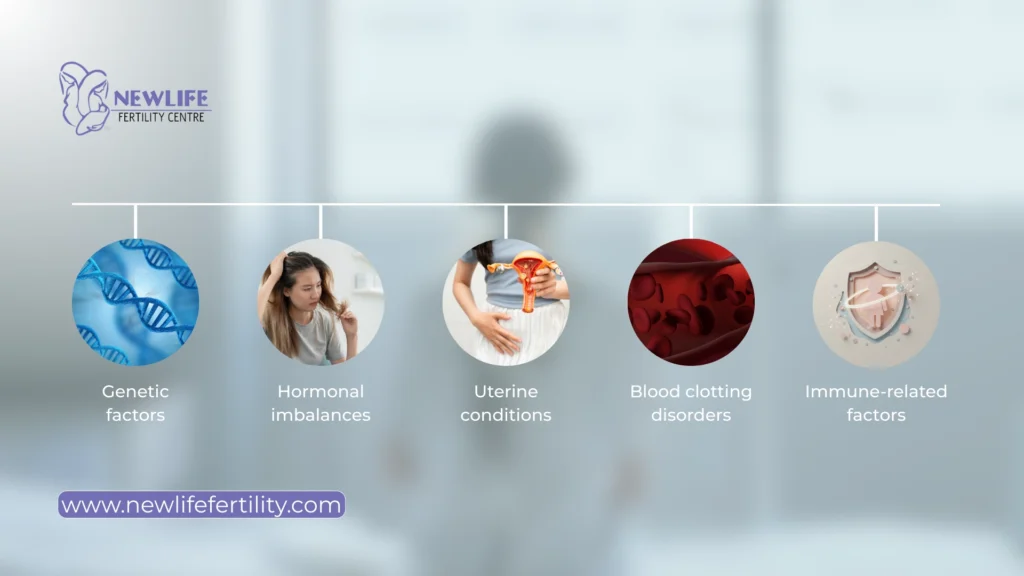
Recurrent pregnancy loss usually does not have a single cause. In many cases, several factors may be involved. This is why doctors take a step-by-step approach to understand what may be contributing.
Genetic factors
Some individuals carry small chromosome changes that do not affect daily life but can increase the risk of repeated miscarriages. Genetic testing can help identify this and guide safer pregnancy options, including embryo screening when needed.
Hormonal imbalances
Hormones play a key role in early pregnancy. Thyroid issues, PCOS, or blood sugar imbalances can sometimes affect early development. These conditions are common and often treatable with simple medications.
Uterine conditions
The uterus needs a healthy shape and lining to support pregnancy. Fibroids, polyps, or structural differences can interfere with implantation or growth. Many of these issues can be corrected with minor procedures.
Blood clotting disorders
Some people have conditions that increase blood clot formation. This can reduce blood flow to the developing pregnancy. Once diagnosed, treatment can significantly improve pregnancy outcomes.
Immune-related factors
In some cases, the immune system may react in a way that affects early pregnancy. These causes are usually explored when other common factors have been ruled out.
Unexplained causes
Sometimes, all test results appear normal. This can feel frustrating, but many couples with unexplained RPL still go on to have healthy pregnancies with supportive care and monitoring.
Are there signs that suggest deeper investigation

Recurrent pregnancy loss is usually identified based on pregnancy history rather than early symptoms.
However, doctors may look for repeated patterns such as:
- Similar timing of loss in each pregnancy
- Consistently slow early growth on scans
- Recurrent spotting or bleeding patterns
These patterns help guide further testing, even though they do not predict outcomes on their own.
Tests that help find the cause
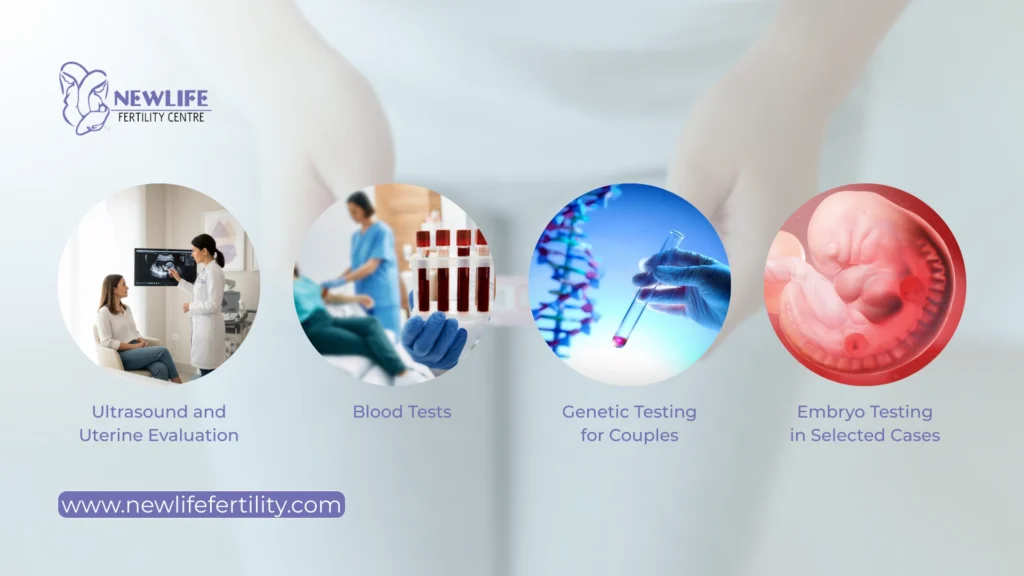
Testing helps replace uncertainty with clarity and direction.
Ultrasound and uterine evaluation
Imaging tests check the shape and lining of the uterus to identify fibroids, polyps, or structural concerns.
Blood tests
Blood work checks thyroid levels, hormone balance, sugar levels, and clotting factors. Many treatable causes are identified through these tests.
Genetic testing for couples
Chromosome studies can reveal genetic factors linked to repeated pregnancy loss and help plan future treatment.
Embryo testing in selected cases
For some couples, embryo testing during IVF helps reduce the risk of miscarriage by selecting genetically healthy embryos. This option is considered based on individual circumstances.
Treatment and support options

Recurrent pregnancy loss does not mean pregnancy is no longer possible. With the right treatment plan, many couples move forward successfully.
Hormone support
Managing thyroid levels, blood sugar, or early pregnancy hormones can support healthy development.
Treating uterine conditions
Correcting structural issues in the uterus often improves the chances of a successful pregnancy.
Blood-thinning treatment
When clotting disorders are present, medication can improve blood flow during early pregnancy.
IVF with embryo screening
For some couples, IVF combined with embryo screening helps reduce the chance of further losses and improves success rates.
Emotional support matters just as much

The emotional impact of recurrent pregnancy loss is often underestimated. Fear, sadness, anger, and guilt are common reactions, even though the losses are not your fault.
Having a fertility care team that listens, explains each step, and supports emotional wellbeing can make a meaningful difference. Many couples also find comfort in counseling or support groups where shared experiences reduce isolation.
Lifestyle steps that support pregnancy health

Simple habits can support early pregnancy and improve body balance.
Healthy food and enough rest
A balanced diet supports hormone health. Good sleep helps the body recover and stay steady during early pregnancy.
Gentle activity
Walking, stretching, or light yoga supports blood flow and reduces stress. These activities also support a healthy weight, which is good for early pregnancy.
Avoiding harmful habits
Smoking and alcohol increase the chance of repeated pregnancy loss. Avoiding them creates a better environment for a future pregnancy.
When to see a fertility specialist

If you have experienced two or more pregnancy losses, it is a good time to consult with a fertility specialist from top fertility clinics in Canada. Early evaluation helps identify treatable causes sooner and provides a clear plan moving forward.
Many couples delay seeking help, hoping things will resolve on their own, but timely guidance often brings clarity and reassurance.
What are your next steps after recurrent pregnancy loss?
If you’ve read this far, it likely means you’re not just searching for information.
You’re trying to understand what to do next after experiencing recurrent pregnancy loss, and whether there is a clearer, calmer path forward.
Recurrent pregnancy loss can make the future feel uncertain. It can lead to self-doubt, unanswered questions, and fear about whether things will ever be different. But this journey does not need guesswork or self-blame. It needs clarity, compassionate guidance, and care that looks at the full picture.
By understanding what recurrent pregnancy loss means, why it happens, and how it is evaluated, you’ve already taken an important step. Knowledge gives you language for what you’re experiencing. It helps you ask better questions. And it reminds you that this is not your fault.
The next step is not figuring everything out on your own.
The next step is having an open conversation with a fertility team that listens carefully, explains each option clearly, and supports you medically and emotionally.

At NewLife Fertility, care for recurrent pregnancy loss focuses on understanding your individual history, identifying possible causes with thoughtful testing, and creating a treatment plan that feels manageable and reassuring. Emotional support is part of the process, because healing involves more than the body alone.
Whether you are just beginning to seek answers or have already been through tests and treatments, you deserve care that is personalised, honest, and supportive.
So book your free consultation today with NewLife Fertility Centre.
Because you are asking the right questions.
Your experience matters.
And with the right support, the path ahead can still hold hope.