About one in six couples worldwide face some form of infertility, and diet is one of the first things most women look at when they start trying to conceive.
It makes sense. Food feels like something you can actually control, unlike your age, your cycle, or how your body responds to hormones.
But let’s be clear about something before we go any further. No single food is going to get you pregnant. There is no fruit, seed, or smoothie that can override biology on its own.
What actually helps is a pattern of eating that gives your body the nutrients it needs to ovulate regularly, support healthy eggs, and keep your hormones balanced. That is what this article is about. Nine foods worth adding to your plate, why they matter for you specifically as a woman trying to conceive, and how to actually fit them into your routine.
9 foods to enhance fertility in females
You do not need a complicated meal plan to eat well for your fertility. You just need to know which foods are worth prioritizing and why they matter for your body right now. Here are the nine that matter most.
Leafy greens, your folate source
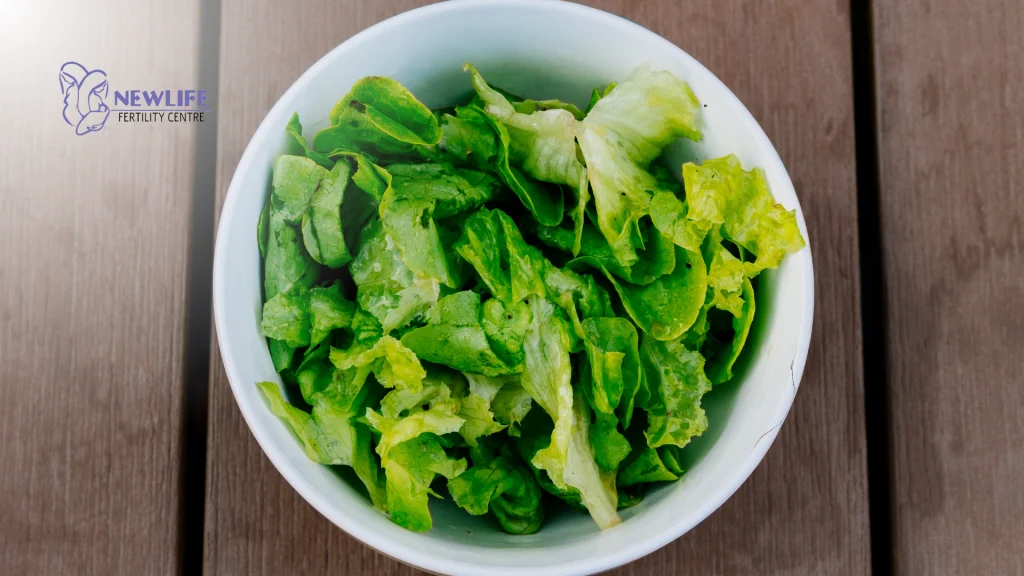
Spinach, kale, and broccoli give you one of the richest natural sources of folate you can find.
Folate matters for you because it supports healthy cell division, which is essential both for egg development before conception and for your baby in the earliest weeks of pregnancy. Leafy greens also give you iron and calcium, both linked to lower rates of ovulatory infertility in a well known Harvard study that tracked women’s diets over several years.
Add spinach to your morning eggs, blend kale into a smoothie, or stir a handful of greens into whatever you are already cooking for dinner. It really can be that simple.
Berries, your antioxidant boost
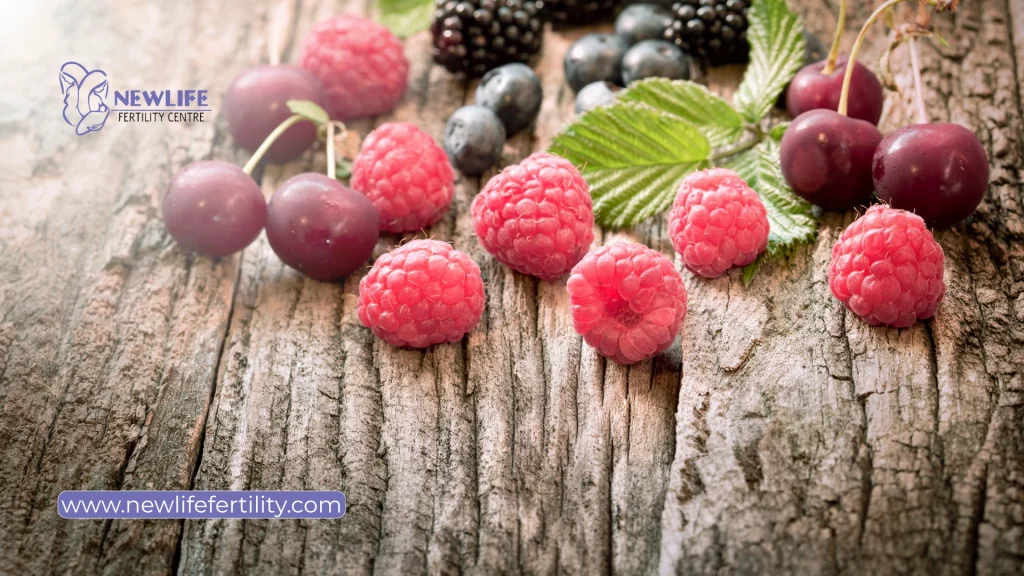
Blueberries, strawberries, and raspberries are some of the most antioxidant rich foods you can eat.
Antioxidants matter for your fertility because your egg cells are exposed to oxidative stress over time, the same everyday cellular wear and tear that affects most of your body. A diet higher in antioxidants has been linked to better reproductive outcomes in several studies, though researchers are still working out exactly how strong that link is.
Berries also give you vitamin C, which helps your body absorb iron and supports your hormone function. Add a handful to your yogurt or oatmeal, or just eat them on their own as a snack.
Fatty fish, for your hormones
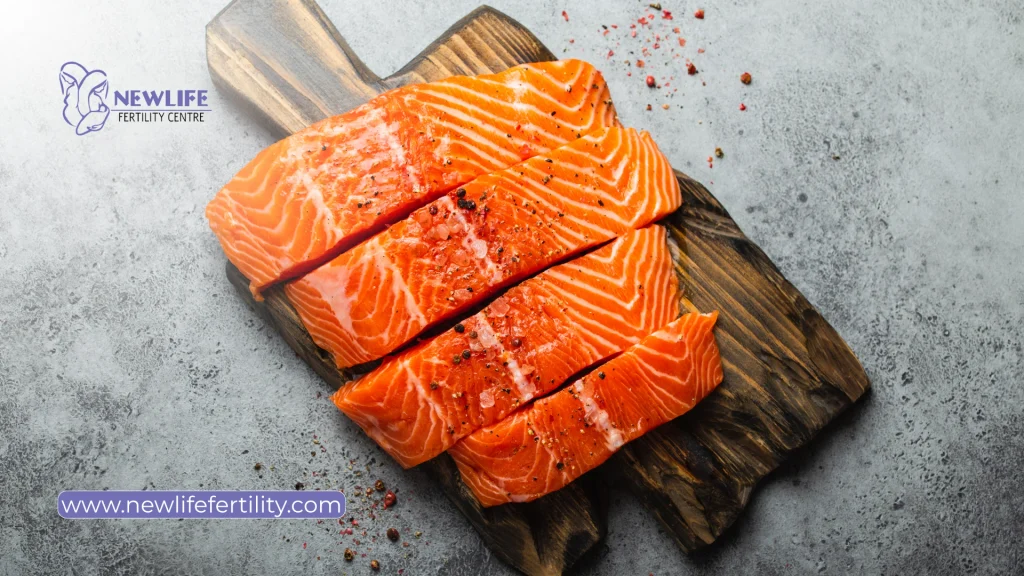
Salmon, sardines, and trout are among your best sources of omega-3 fatty acids, along with vitamin D and protein.
Omega-3s support healthy hormone production in your body, and research has connected them to better egg quality and more regular cycles. Vitamin D plays a role in hormone regulation too, and low vitamin D levels have shown up in research on less favourable fertility outcomes.
If you are trying to conceive, stick to lower mercury fish like salmon, trout, and sardines, and follow Health Canada’s fish guidance, since some larger fish carry mercury levels you will want to avoid during this time. Aim for fatty fish a couple of times a week, whether that is grilled trout for dinner or canned salmon on toast for lunch.
Eggs, your everyday protein
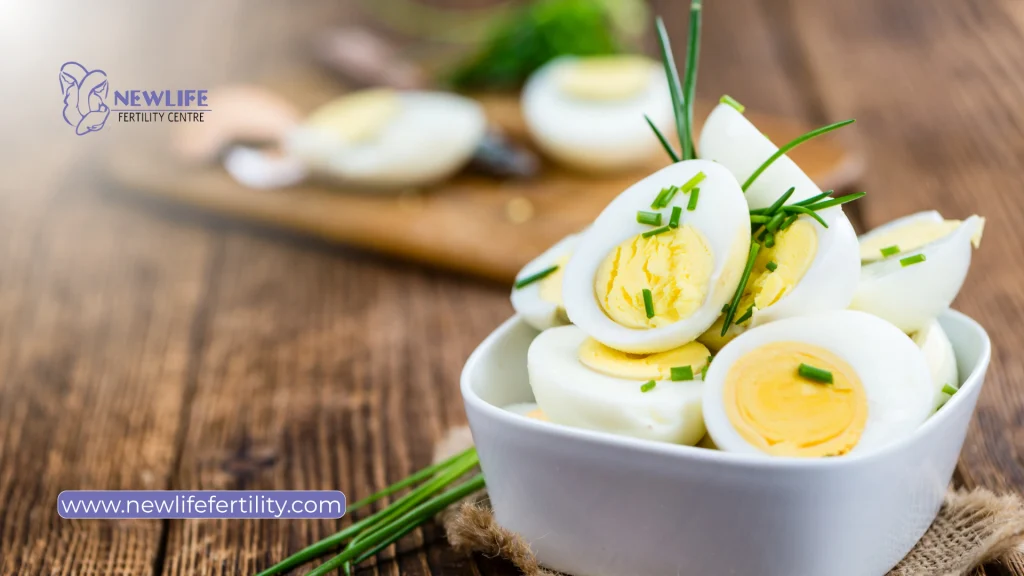
Eggs give you protein, choline, and B vitamins in one simple package.
Choline deserves more attention than it usually gets in fertility content. It plays a major role in your baby’s brain development, and it is one of the nutrients many women fall short on even with an otherwise healthy diet. Getting more choline into your routine now, before you even conceive, puts you ahead.
Eggs work at any meal for you, scrambled at breakfast, hard boiled for a snack, or added to a grain bowl at lunch.
Beans and lentils, for iron and folate
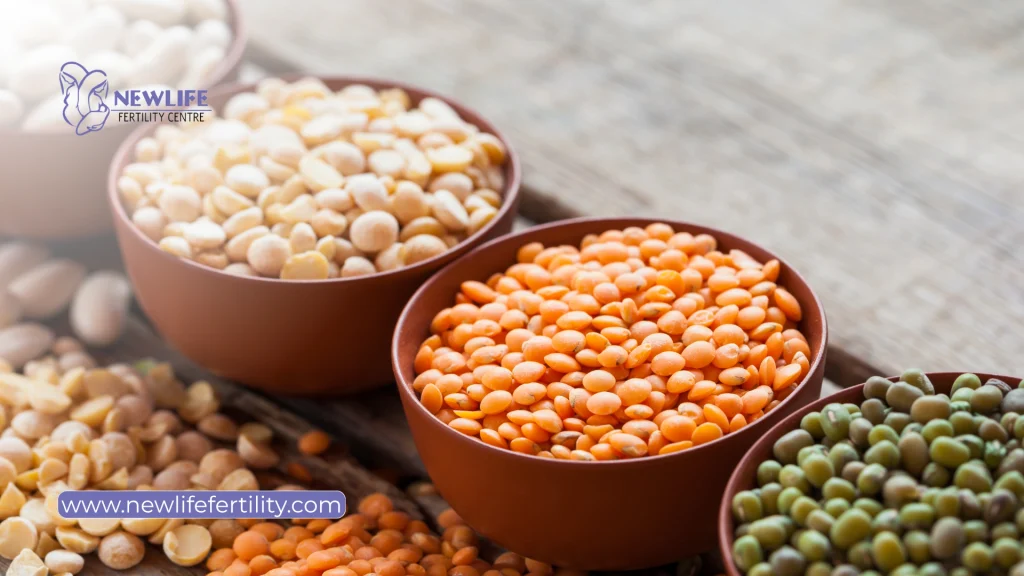
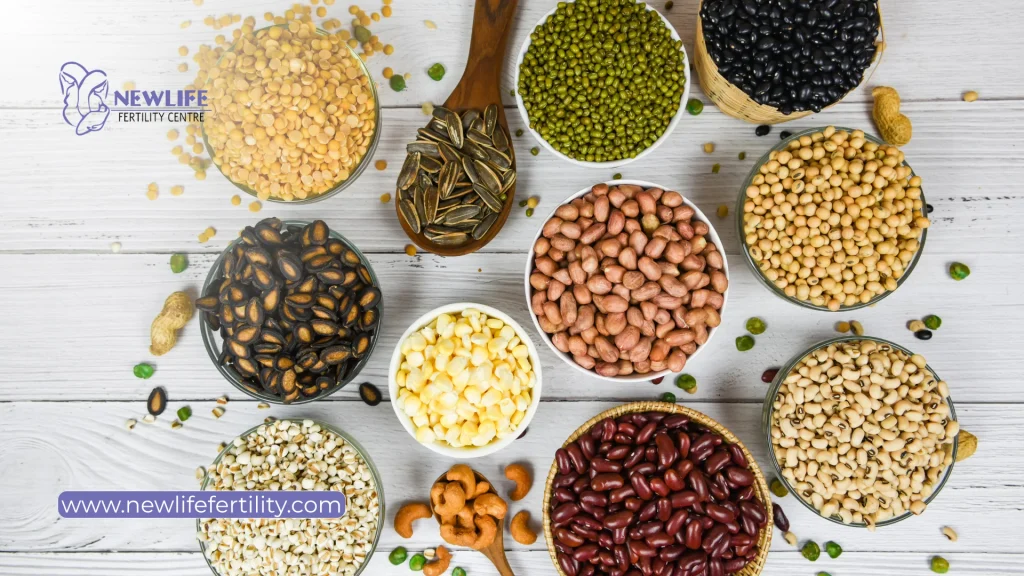
Beans and lentils give you plant protein, folate, iron, and fibre, all in one food.
This combination matters for you because the same Harvard fertility research found that plant protein was linked to better ovulatory function when it replaced some animal protein in the diet. If you are trying to eat more plant forward meals while trying to conceive, beans and lentils make that easy without needing a long list of other ingredients.
Try a bowl of lentil soup, a bean based chili, or chickpeas tossed into your lunch salad.
Nuts and seeds, for zinc and healthy fats
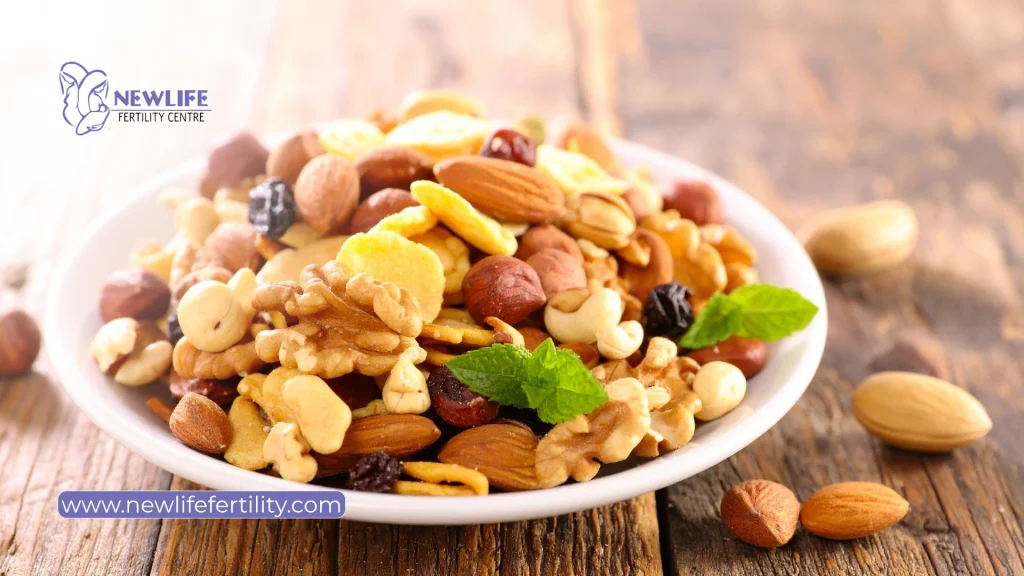
Walnuts, almonds, chia seeds, and flaxseeds give you unsaturated fats, plant based omega-3s, and minerals like zinc and magnesium.
Zinc is particularly relevant to you here, since research connects it directly to healthy female hormone regulation. A small handful of walnuts or almonds as a snack, chia seeds stirred into your yogurt, or ground flaxseed added to your smoothie are all easy ways to work this in daily.
Citrus fruits, for vitamin C and folate
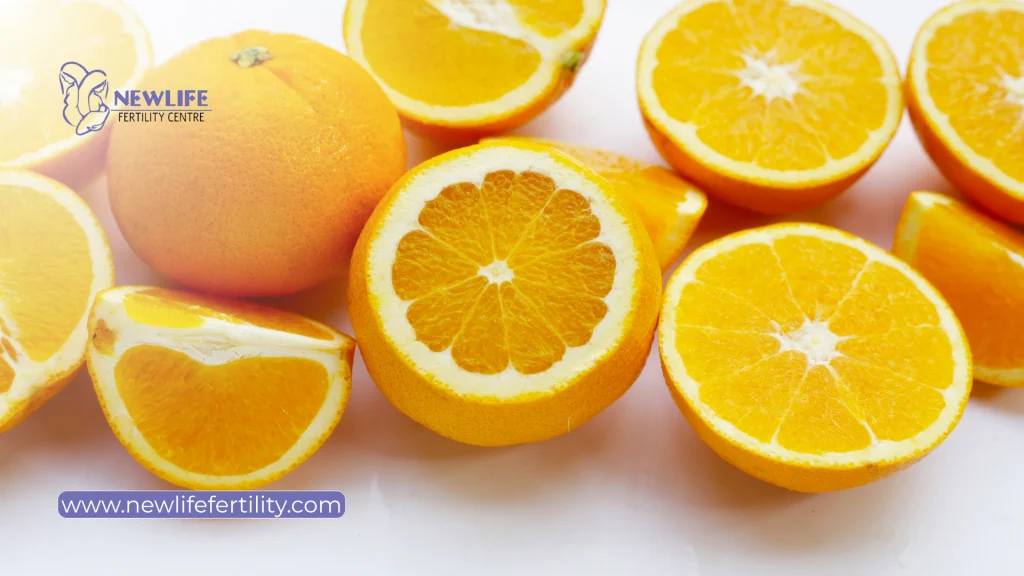
Oranges, grapefruit, and lemons give you both vitamin C and folate in one piece of fruit.
Whole citrus fruit is a better choice for you than fruit juice, since juicing removes most of the fibre that helps keep your blood sugar, and your hormones, steady. Grab an orange as a snack, add segments to your salad, or squeeze lemon over your vegetables at dinner.
Greek yogurt, for protein and calcium
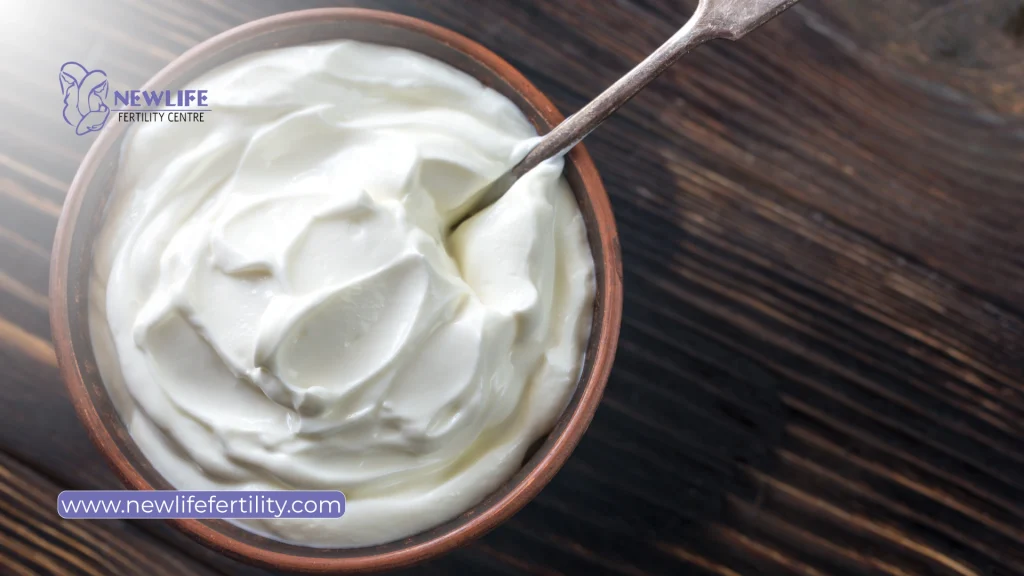
Greek yogurt gives you protein, calcium, and depending on the product, vitamin D as well.
Here is a detail worth knowing. The same Harvard research found that full fat dairy was linked to lower rates of ovulatory infertility compared to low fat dairy in the women studied. That is one study, not a rule you need to follow strictly, but it is worth keeping in mind rather than automatically reaching for low fat out of habit.
Top your yogurt with berries for a quick breakfast, or use it as the base for a protein rich smoothie.
Whole grains, for steady blood sugar
Oats, quinoa, brown rice, and whole grain bread give you fibre and slower digesting carbohydrates compared to their refined versions.
This matters for you because your blood sugar and your reproductive hormones are closely connected. Diets heavy in refined carbs have been linked to a higher risk of ovulatory infertility, while whole grains help keep your blood sugar and insulin levels more stable, which supports healthier ovulation.
Swap white rice for brown rice or quinoa, choose whole grain bread over white, or start your day with oats instead of a sugary cereal.
So which foods should you actually eat to enhance your fertility?
If you take one thing from this article, let it be this. Build your meals around leafy greens, berries, fatty fish, eggs, beans and lentils, nuts and seeds, citrus fruits, Greek yogurt, and whole grains, and do it consistently, week after week. That pattern is what the research actually supports, not any single ingredient working alone.
At NewLife Fertility, our specialists across Ontario, including our Toronto and Mississauga clinics, work with women every day who are trying to understand exactly this, what they can control through diet and lifestyle, and what needs a proper medical evaluation. Our team combines evidence based nutrition guidance with personalized fertility assessments, so you are never left guessing whether diet alone is enough for your specific situation.
Book your free consultation with NewLife Fertility, and let’s figure out your next step together.
Frequently asked questions about foods that enhance fertility in female
Leafy greens, berries, fatty fish, eggs, beans and lentils, nuts and seeds, citrus fruits, Greek yogurt, and whole grains all support the nutrients your body needs for healthy ovulation and egg quality. None of them work alone, but eating them consistently supports your overall reproductive health.
Fatty fish and leafy greens tend to stand out the most, since they give you omega-3s, vitamin D, and folate, three nutrients with strong research behind their role in female fertility. Pairing them with beans, nuts, and citrus fruit rounds out a well balanced fertility supportive diet.
The same nine foods covered in this article apply here. Focus on folate rich vegetables, antioxidant rich fruit, healthy fats from fish and nuts, and steady blood sugar from whole grains. Together they support the hormonal and cellular processes your fertility depends on.
Build your plate around vegetables and fruit, whole grains, a protein source, and healthy fats at most meals. Include fatty fish a couple times a week, and pair your diet with a prenatal multivitamin containing folic acid, since food alone usually cannot cover everything you need before pregnancy.
Food can support your fertility by helping regulate your hormones, protect your egg quality, and support regular ovulation. It cannot guarantee pregnancy or treat medical causes of infertility on its own, so it works best alongside proper medical care, not as a replacement for it.