The global fertility supplement market is worth billions of dollars. A huge part of that comes from people who are trying to conceive and do not know where to start.
If you have searched online for ways to boost your fertility, you have probably seen dozens of supplements. Some promise better egg quality. Others claim to improve sperm health or help you conceive faster.
Some of this information is genuinely useful. A lot of it is oversimplified or misleading.
The reason being your fertility is shaped by several factors which include age, ovulation health, sperm quality, lifestyle habits, and sometimes underlying medical conditions.
Supplements and fertility medications are two very different types of support. They are not a shortcut around these factors.
Supplements are generally things you can use to support your body. Many are available without a prescription.
Fertility drugs are different. They are medications that directly influence ovulation or other reproductive processes. They need to be prescribed and monitored by a doctor.
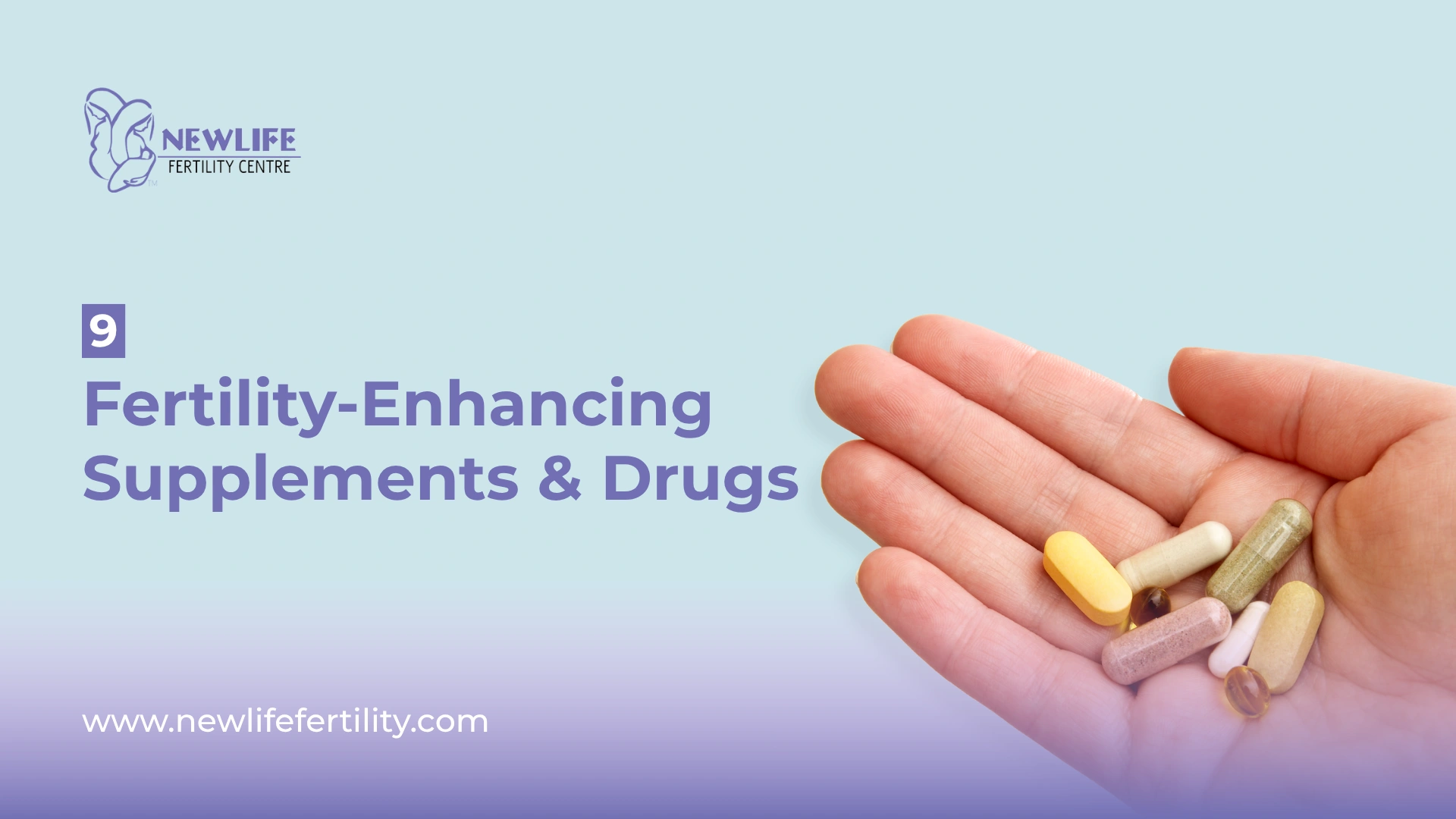
In this article, I’ve broken down 9 fertility enhancing supplements and drugs you should know about. I also explain what each one does and who they tend to be recommended for.
9 fertility enhancing supplements and drugs you should know about
Some of these you can pick up at any pharmacy. Others require a prescription and medical supervision.
Knowing the difference matters. It is just as important as knowing what each one does.
Folic acid supports your reproductive health

Folic acid is one of the most well-established recommendations in preconception care. And for good reason.
It plays a direct role in cell division and DNA formation. This becomes especially important in the earliest weeks of pregnancy when the neural tube is developing.
Health Canada specifically recommends women planning a pregnancy take a folic acid supplement. Neural tube defects can occur before you even know you are pregnant.
Most healthcare providers recommend starting folic acid at least a few months before you start trying to conceive. Do not wait until you get a positive test.
If you are actively trying, this is usually one of the first things a doctor will ask about. They may ask if you are already taking it.
Vitamin D plays a role in your fertility
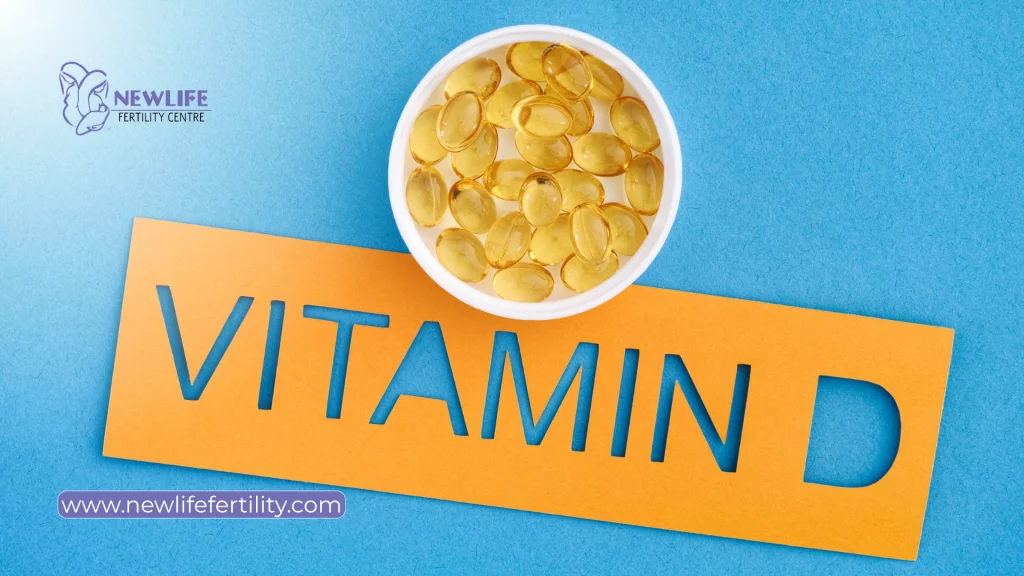
Vitamin D receptors exist throughout your reproductive tissue. This includes your ovaries and uterine lining.
This is part of why researchers have looked closely at its connection to fertility.
Low vitamin D levels have been associated with reduced IVF success rates and irregular ovulation in some studies. However, the research is still developing.
What is clearer is that vitamin D deficiency is common. This is especially true in Canada because of limited sun exposure for a large part of the year.
If you are trying to conceive, ask your doctor for a simple blood test. This can check your vitamin D levels.
Do not assume you need to supplement. Correcting an actual deficiency tends to matter more than taking extra vitamin D on top of normal levels.
Coenzyme Q10 supports your egg and sperm quality
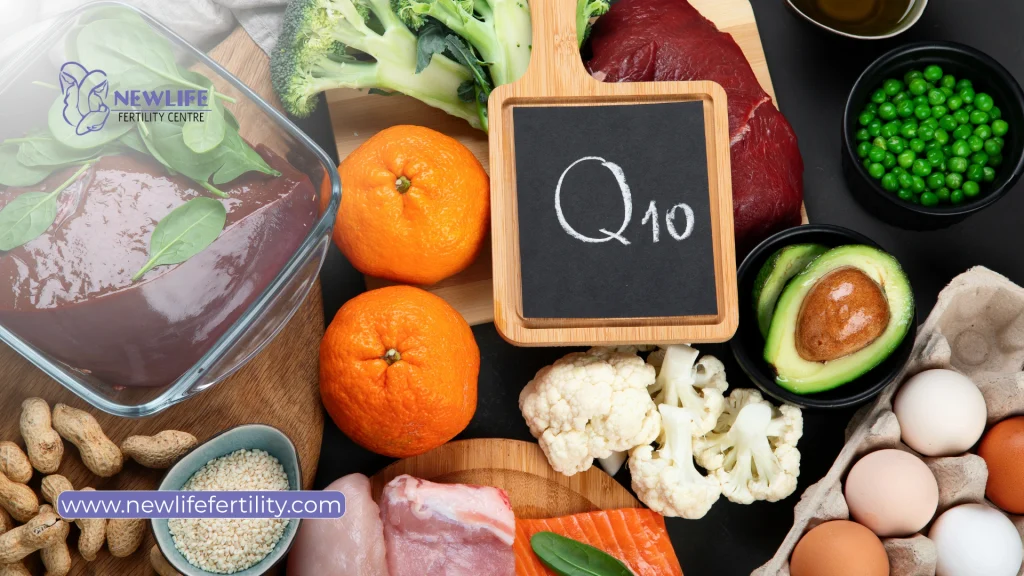
Coenzyme Q10 is usually shortened to CoQ10. It is a compound your body naturally produces.
Your body uses it for cellular energy production.
Your eggs and sperm both require a lot of energy to mature properly. CoQ10 levels also naturally decline as you age.
This is one reason CoQ10 has become a commonly researched supplement in fertility. It is particularly researched for women over 35 and men with lower sperm quality.
Some studies have shown improved egg quality and sperm motility with CoQ10 supplementation. However, results vary.
It is not a guaranteed fix.
CoQ10 is generally considered well tolerated. Still, discuss the dosage with your doctor. Do not simply guess based on the bottle label.
Myo inositol can help balance your ovulation

Myo inositol is a naturally occurring compound. It plays a role in how your body responds to insulin.
It also helps regulate hormones tied to ovulation.
Myo inositol has been studied most extensively in women with polycystic ovary syndrome. Insulin resistance often disrupts regular ovulation in women with PCOS.
Several studies suggest myo inositol supplementation can help restore more regular cycles. It may also improve egg quality in women with PCOS.
If you have been diagnosed with PCOS, myo inositol is worth discussing with your doctor.
The same applies if you suspect you might have symptoms of PCOS.
It is better to discuss your specific needs than to treat myo inositol as a general fertility supplement everyone should take.
Antioxidant supplements protect your reproductive cells

Oxidative stress happens when there is an imbalance between free radicals and antioxidants in your body.
It can damage both eggs and sperm over time.
Antioxidants commonly included in fertility supplements include vitamin C, vitamin E, selenium, and zinc.
The idea behind these supplements is to help neutralize some of that oxidative damage.
This may be particularly relevant for sperm health. Sperm cells are especially vulnerable to oxidative stress.
That said, more is not automatically better.
Taking a combination of high-dose antioxidants without guidance can sometimes do more harm than good.
This is why individualizing your approach matters. It is better than simply picking a generic multivitamin off the shelf.
Clomiphene citrate helps stimulate your ovulation
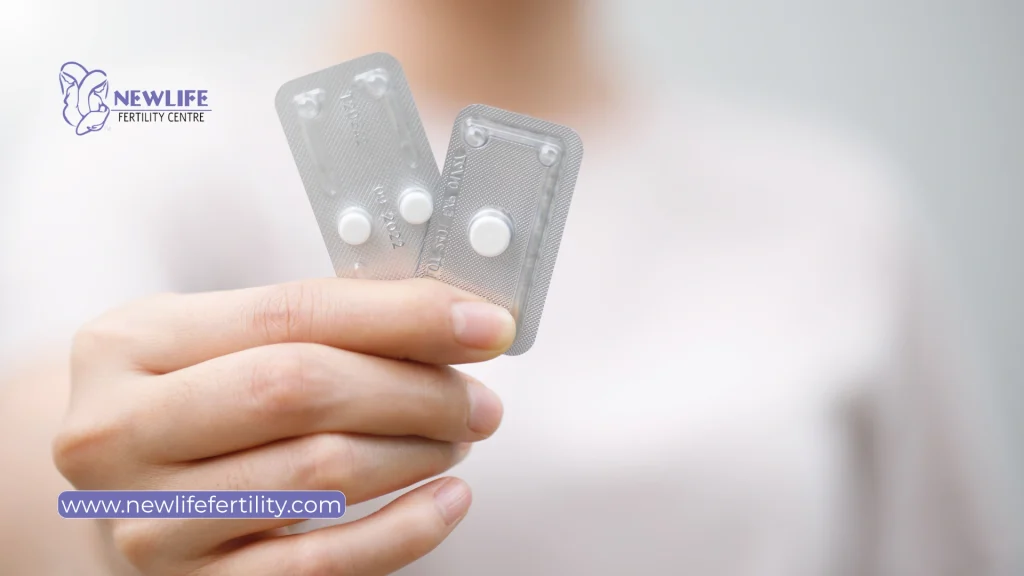
Clomiphene citrate is often known by the brand name Clomid.
It is one of the most commonly prescribed fertility medications. It is used for women who are not ovulating regularly.
It works by blocking estrogen receptors in your brain.
This tricks your body into producing more follicle-stimulating hormones.
That, in turn, encourages your ovaries to develop and release an egg.
It is typically prescribed for women with conditions like PCOS. It may also be used for unexplained ovulatory issues.
Clomiphene is usually taken for five days early in your cycle.
Your doctor will monitor your response through bloodwork or ultrasound.
Side effects can include hot flashes and mood changes.
There can also be a higher chance of conceiving twins.
This is exactly why you should not self-start this medication.
Letrozole is another option to trigger your ovulation
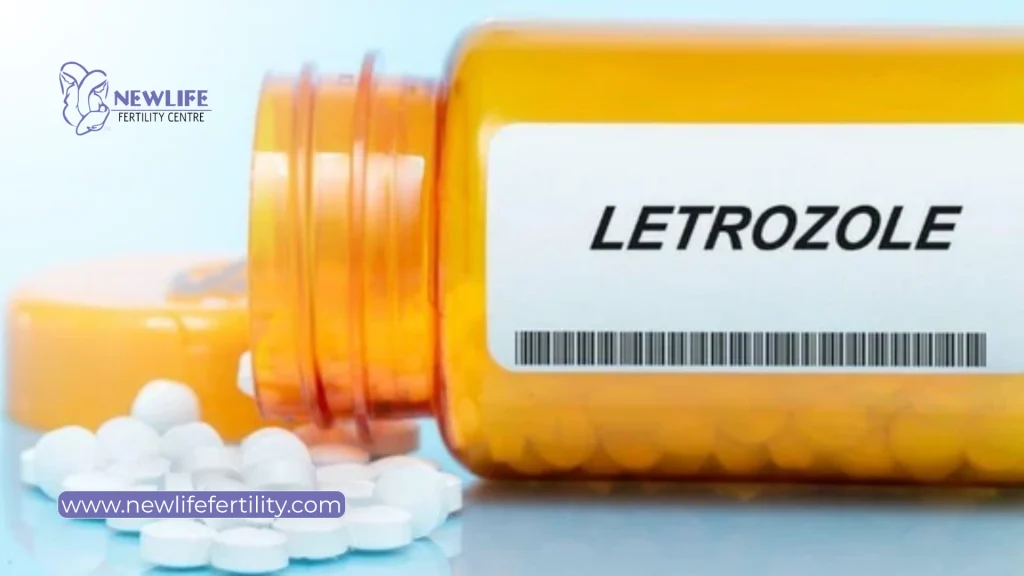
Letrozole was originally developed as a breast cancer treatment.
It has since become a widely used and often preferred option for ovulation induction.
Letrozole works differently from clomiphene.
It temporarily lowers estrogen production. This prompts your body to increase follicle-stimulating hormone in a similar way.
For many women, particularly those with PCOS, research has shown that letrozole leads to higher ovulation and pregnancy rates compared to clomiphene.
It also has a lower risk of twins.
Your doctor will decide between clomiphene and letrozole based on your specific diagnosis. Your medical history and how your body responds also matter.
It comes down to what fits your situation. One is not universally better than the other.
Gonadotropins support your follicle development
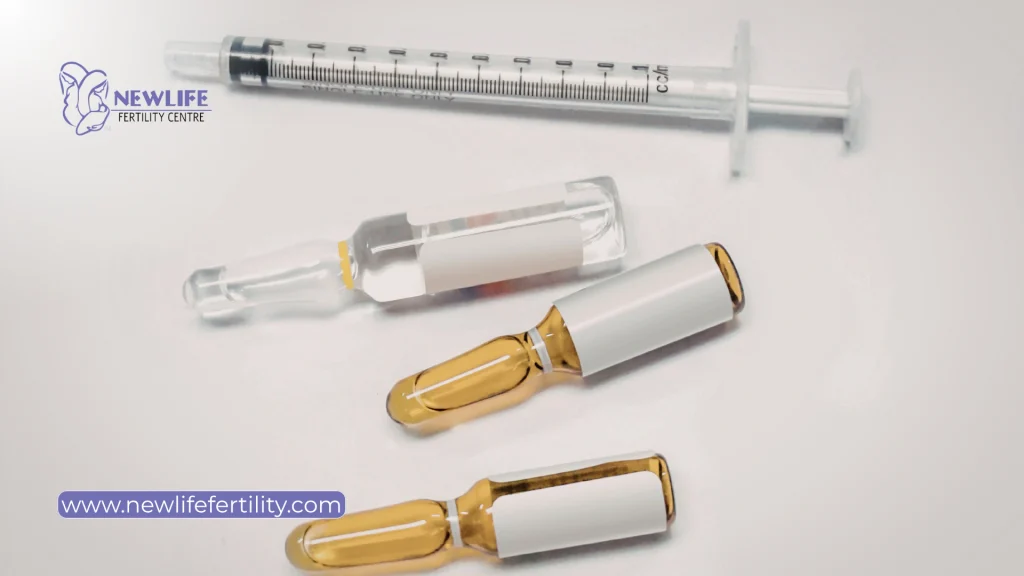
Gonadotropins are injectable fertility medications.
They contain hormones like follicle-stimulating hormone and luteinizing hormone. These are the same hormones your body naturally produces to drive ovulation.
They are typically used when oral medications like clomiphene or letrozole have not worked.
They may also be used as part of IUI or IVF treatment. This allows for more controlled follicle development.
Gonadotropins directly and strongly stimulate your ovaries.
Because of this, they require close monitoring. This usually involves regular ultrasounds and bloodwork.
These tests track follicle growth. They also help doctors adjust the dosage.
This level of monitoring exists for good reason.
Without it, there is a higher risk of ovarian hyperstimulation. There is also a higher risk of a higher-order multiple pregnancy.
That is why gonadotropins are only used under close specialist supervision.
hCG triggers ovulation when you need it
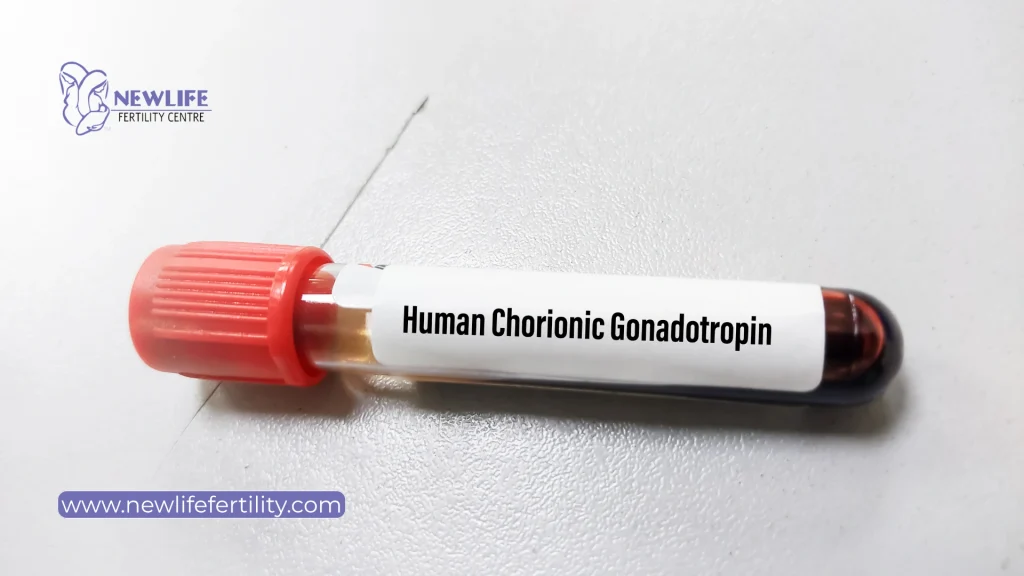
Human chorionic gonadotropin is also called hCG.
It is often used as a trigger shot in fertility treatment.
Once your follicles have reached the right size, hCG helps trigger the final stages of egg maturation and release.
This is typically done while using medications like clomiphene, letrozole, or gonadotropins.
hCG mimics the natural surge of luteinizing hormone. This triggers final egg maturation and release.
The timing of this injection is precise.
It is coordinated with timed intercourse, IUI, or egg retrieval for IVF.
Because the timing is so specific, hCG is never something used on its own.
It is part of a broader treatment plan. It also requires close medical oversight.
Supplements vs fertility drugs what is the difference for you
It is worth understanding this distinction clearly before you start taking anything.
The two categories work in very different ways.
Supplements are generally available over the counter.
They are meant to support your existing nutritional and reproductive health. They do not directly force a biological process.
The evidence also varies quite a bit. This depends on which supplement you are looking at.
Supplements are not a substitute for medical treatment if there is an underlying fertility issue.
Fertility drugs are different.
They are prescription-based. They are designed to directly target specific reproductive processes.
Ovulation is the most common target.
These medications are used for defined fertility indications. They also require medical guidance and monitoring.
Doses and timing genuinely matter for both safety and effectiveness.
How effective are drugs to enhance your fertility?

This is one of the most common questions we get.
The honest answer is that it depends heavily on what is causing the fertility difficulty.
Ovulation-stimulating drugs like clomiphene and letrozole can be effective for people whose main issue is irregular or absent ovulation.
Their pregnancy rates are well documented in clinical research.
Supplements generally show more mixed and individual results.
They support overall health rather than directly correcting a specific issue.
Your age also matters.
So do your ovarian reserve, sperm health, and the actual diagnosis behind your fertility struggle.
All of these factors affect how well an option may work for you.
Taking more of something does not mean better chances of conceiving.
This applies to higher supplement doses. It also applies to combining multiple medications without guidance.
Doing so can increase your risk of side effects without adding any real benefit.
What you take to support your fertility depends on your specific situation.
This includes your nutritional status, ovulation pattern, age, existing health conditions, and diagnosis.
That is why a proper fertility workup matters more than picking supplements based on online reviews.
Are there fertility enhancers available over the counter for you?
Yes, several fertility supplements are available without a prescription.
These include folic acid, vitamin D, CoQ10, and various antioxidant blends marketed for fertility support.
However, the over-the-counter label does not automatically mean something is effective for your situation.
It does not mean it is necessary either.
Some people take fertility supplements they do not need.
Others could benefit more from a targeted approach based on an actual diagnosis.
Supplements can also interact with other medications you might be taking.
High doses of certain vitamins are not automatically safe just because they are sold without a prescription.
So I recommend you talk to your doctor before adding a new supplement.
This is especially important if you are already taking medication.
It is a simple step that can protect you from avoidable complications.
When should you consider fertility medication
There are a few clear signs that it may be time to talk to a doctor about medication.
This may be better than continuing with supplements and lifestyle changes alone.
These signs include:
- Irregular or absent periods that suggest ovulation is not happening consistently
- A known ovulation disorder such as PCOS
- Difficulty conceiving after a year of trying if you are under 35, or six months if you are 35 or older
- A diagnosed reproductive condition affecting your fertility
- Previous fertility treatment or pregnancy losses that need a different approach this time around
Fertility medications should never be self-started.
This applies even if you have read about them online. It also applies if a friend has shared their experience.
These are prescription medications for a reason.
Using them without proper monitoring can lead to complications.
These can include ovarian hyperstimulation or an unplanned higher-order pregnancy.
Safety considerations before you take fertility supplements or drugs
A few practical things are worth keeping in mind.
This applies no matter what you decide to take.
- Avoid combining multiple fertility supplements at once without guidance. Stacking them does not necessarily add benefits and can increase side effects.
- Check for interactions between supplements and any medications you are already taking.
- Do not assume natural automatically means risk-free. Supplements can still affect your hormones and interact with treatment.
- Prescription fertility drugs require accurate dosing and consistent monitoring. Timing and follow-up appointments genuinely matter.
- Be cautious of any product making guaranteed fertility claims. No supplement or medication can promise pregnancy.
- Always tell your fertility specialist about every medication and supplement you are currently taking. This includes ones that seem unrelated.
What fertility enhancing supplements are right for you?
There is no single fertility enhancing supplement or drug that works the same way for everyone. Folic acid and vitamin D support your general reproductive health. CoQ10 and antioxidants may help with egg and sperm quality. Medications like clomiphene, letrozole, gonadotropins, and hCG are used specifically to support ovulation under medical supervision.
The most useful thing you can do is figure out what is actually going on for you. Do not guess your way through a shelf of supplements. Start by identifying the underlying cause. It could be a nutritional gap. It could be an ovulation issue. It could also be something that needs a more targeted medical approach.
And let me tell you that NewLife Fertility is one of Canada’s leading fertility clinics in this segment. Our specialists work with patients every day to figure out exactly what their fertility journey needs.
This could be a simple supplement recommendation. It could also be a full treatment plan. We focus on clear answers and personalized care. We do not rely on generic advice. This means you are never left guessing what to try next.
Book your free consultation with NewLife Fertility today. Get a clear, personalized plan for your fertility journey.
Frequently asked questions about fertility enhancing supplements and drugs
Fertility enhancing supplements are vitamins, minerals, and compounds like folic acid, vitamin D, CoQ10, myo inositol, and antioxidants. They are believed to support reproductive health, egg and sperm quality, and hormonal balance. They support your overall fertility. They do not directly force a biological process.
Folic acid and vitamin D are the most commonly recommended for people trying to conceive. Folic acid supports early fetal development. Vitamin D plays a role in hormone and reproductive function. Antioxidant vitamins like vitamin C and E are also commonly included in fertility support.
Some supplements have reasonably strong research behind them. Folic acid is one example. It is used for preventing neural tube defects. Myo inositol is another example. It has been studied for women with PCOS. Other supplements have more limited or mixed evidence. Effectiveness depends on the specific supplement and your individual situation.
Common fertility medications include clomiphene citrate and letrozole. These are used to stimulate ovulation. Gonadotropins can be used for more controlled follicle development. hCG can be used as a trigger shot to finalize egg maturation. These are all prescription medications. They are used under medical supervision.
No. Medications like clomiphene, letrozole, gonadotropins, and hCG require a prescription. They also require ongoing medical monitoring. Certain supportive supplements are available over the counter. The actual fertility drugs are not.
Certain supplements may support more regular ovulation. Myo inositol has shown promise, particularly for women with PCOS. However, supplements are generally supportive. They are not a direct treatment for ovulation disorders. Prescription medication may become necessary when ovulation problems persist.
hCG is used as a trigger medication within fertility treatment. It is not a general fertility enhancer on its own. It helps finalize egg maturation and ovulation timing. It is typically used alongside other fertility medications and close monitoring.
Vitamin D and myo inositol are among the most commonly discussed options for supporting ovulation.
This is particularly true for women with irregular cycles or PCOS. However, supplementation does not always resolve ovulation issues. If problems continue, it may be time to talk to a fertility specialist about medication options.