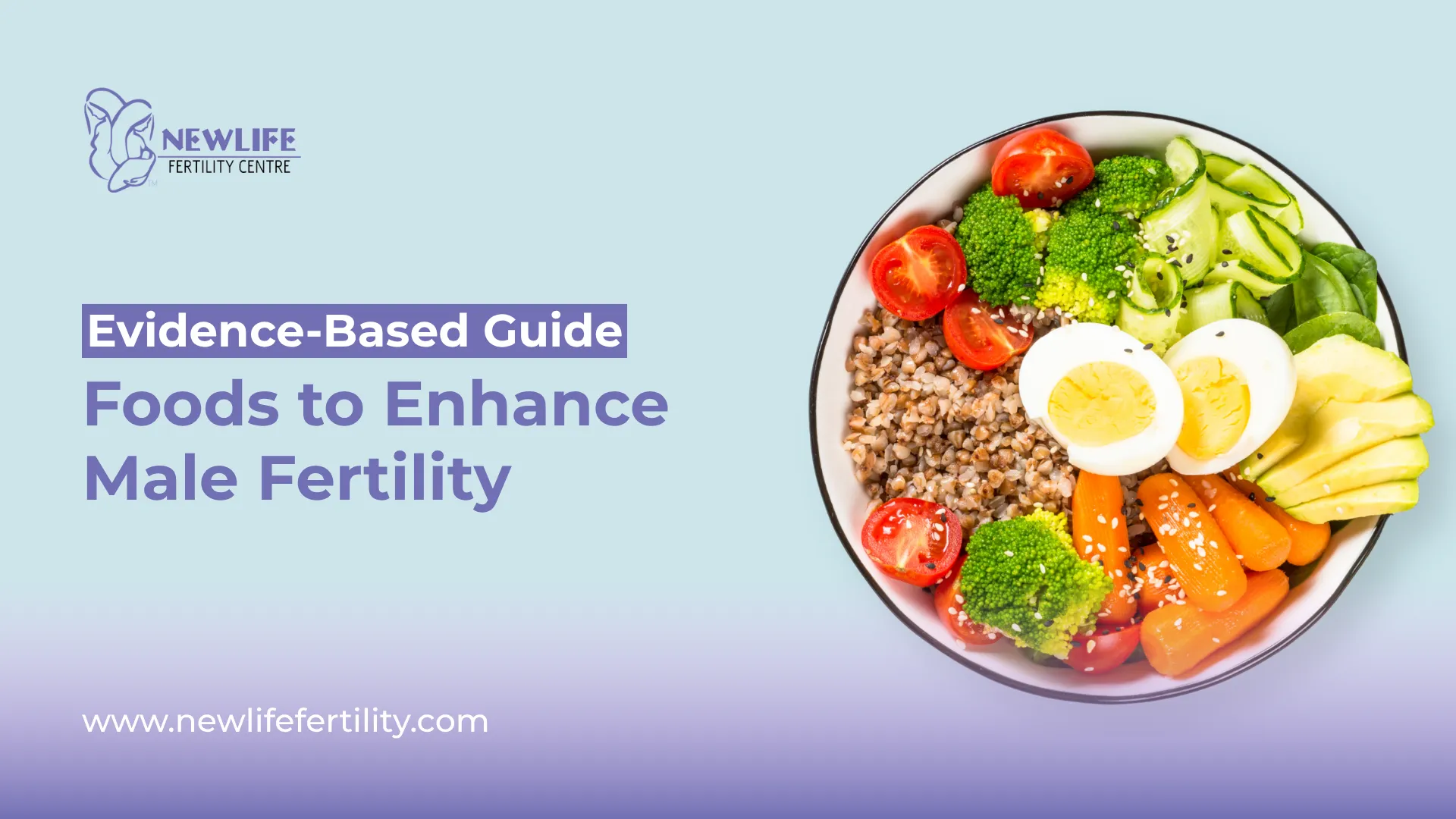
When you are trying to conceive, it is natural to look at the things you can change yourself. Diet is often one of the first places people start. You may have heard that certain foods can improve sperm health, while others can negatively affect male fertility.
The reality is a little more nuanced. There is no single food that can treat male infertility, but your everyday diet can support overall health and provide nutrients involved in normal reproductive function. Research has found that healthier dietary patterns are associated with more favourable semen parameters, particularly diets that include more vegetables, fruits, whole grains, legumes, nuts and fish.
So, if you are searching for foods for male fertility enhancement, think beyond a single “fertility food”. What you eat regularly matters more than adding one ingredient to your plate.
How nutrition fits into male fertility enhancement
Sperm production is a complex process, and nutrition is only one part of it. Your body needs adequate protein, healthy fats, vitamins, minerals and other nutrients to support normal biological functions.
Research has explored the relationship between dietary patterns and semen quality, including measures such as sperm concentration, total sperm count and motility. The evidence is more encouraging for an overall healthy diet than for individual foods.
This distinction is important. Better nutrition can support your general health and may support healthy semen parameters, but it does not mean that changing your diet will resolve an underlying fertility problem.
Male fertility can also be affected by factors such as hormones, genetics, varicocele, certain medications, previous medical conditions and problems affecting sperm production or delivery.
10 best foods for male fertility enhancement and reproductive health
There is no official list of foods that guarantees improved fertility. Instead, focus on nutritious foods that can form part of a balanced eating pattern.
Fatty fish
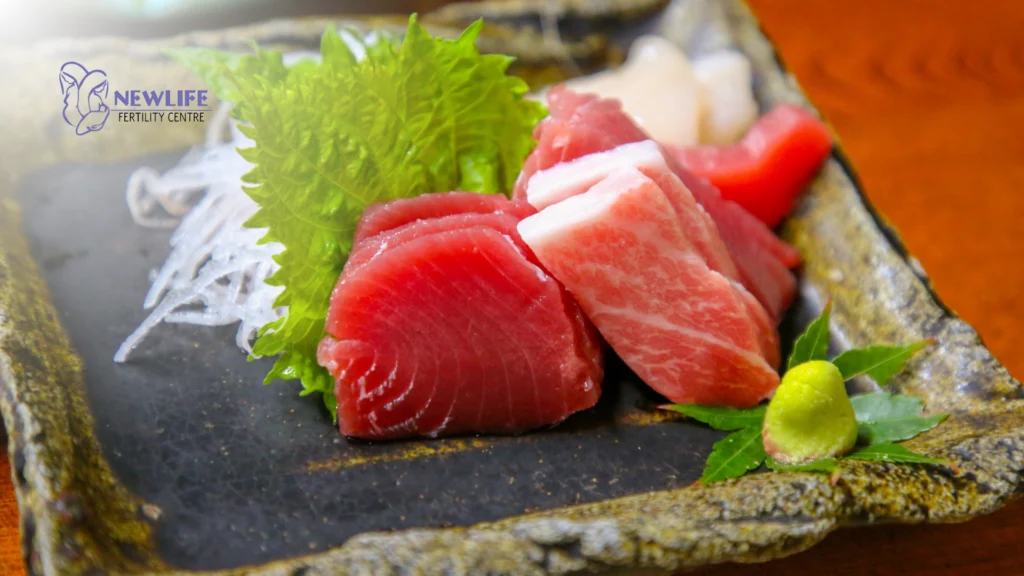
Salmon, trout, sardines and other fatty fish provide omega-3 fatty acids, protein and other nutrients.
Fish also features prominently in Mediterranean-style eating patterns that researchers have studied in relation to male reproductive health.
You can add grilled salmon to dinner, use sardines in a salad or have trout with vegetables and whole grains.
Walnuts and other nuts
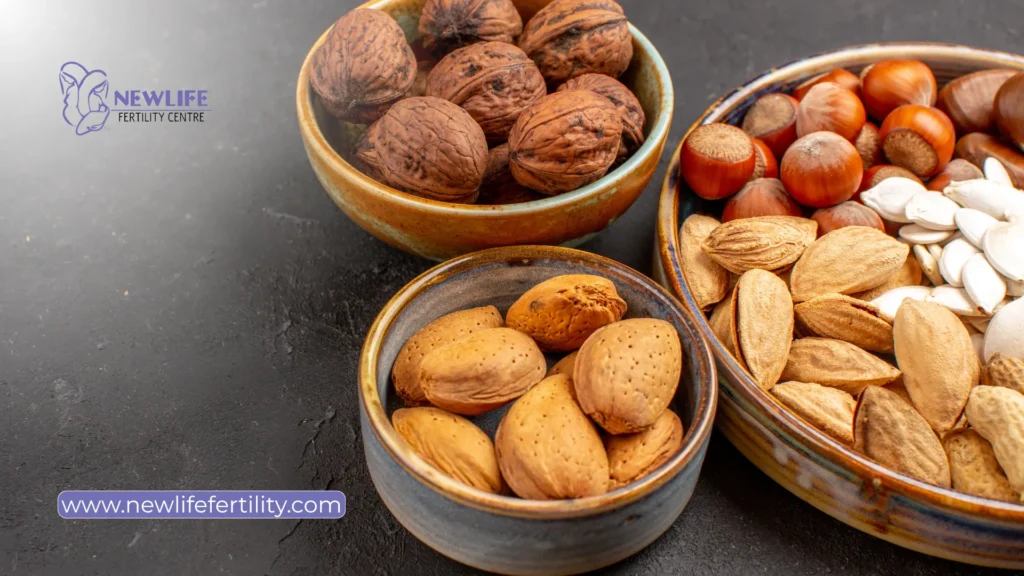
Nuts provide healthy fats, protein, fibre and several minerals.
Walnuts have received particular attention in research on male reproductive health. Some studies have reported improvements in certain semen parameters among men consuming nuts, although this does not mean walnuts can treat infertility.
A small handful of unsalted nuts can be an easy addition to breakfast, yoghurt or a snack.
Leafy green vegetables
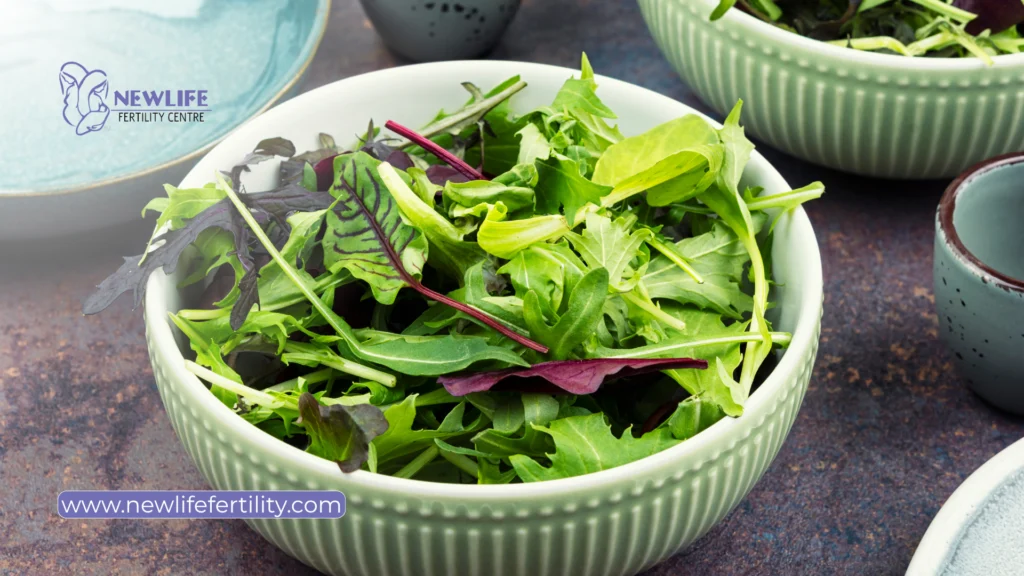
Spinach, kale, broccoli and other green vegetables provide nutrients such as folate and vitamin C.
Rather than focusing on one particular vegetable, aim for variety. Different vegetables provide different nutrients, so including several types throughout the week is a practical approach.
Berries and other fruits
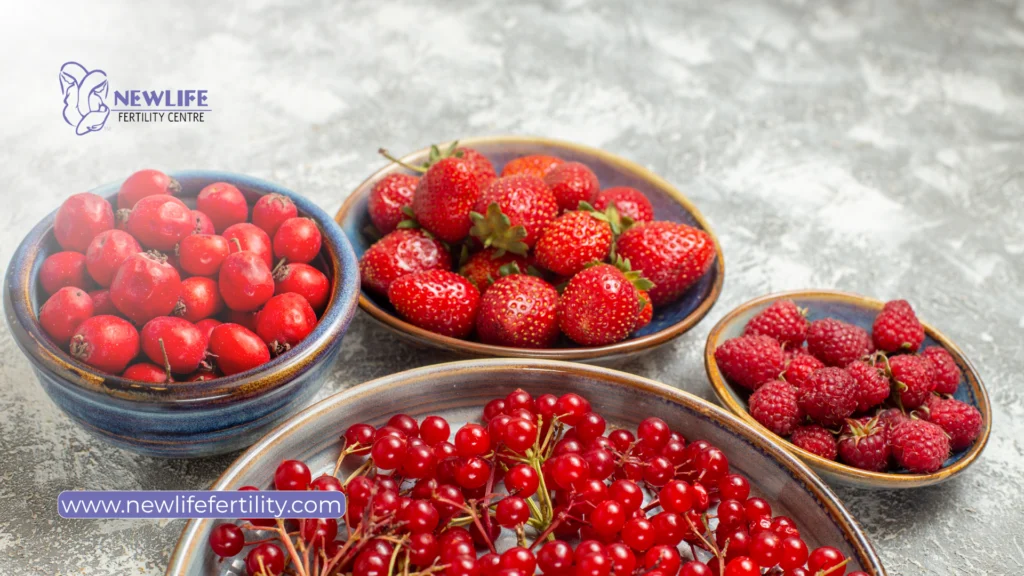
Berries, oranges, kiwi and other fruits provide vitamins, fibre and naturally occurring plant compounds.
There is no need to identify one particular “fertility fruit”. A variety of whole fruits is a better long-term choice.
Try adding berries to oatmeal or yoghurt, or keep whole fruit available when you want a snack.
Tomatoes
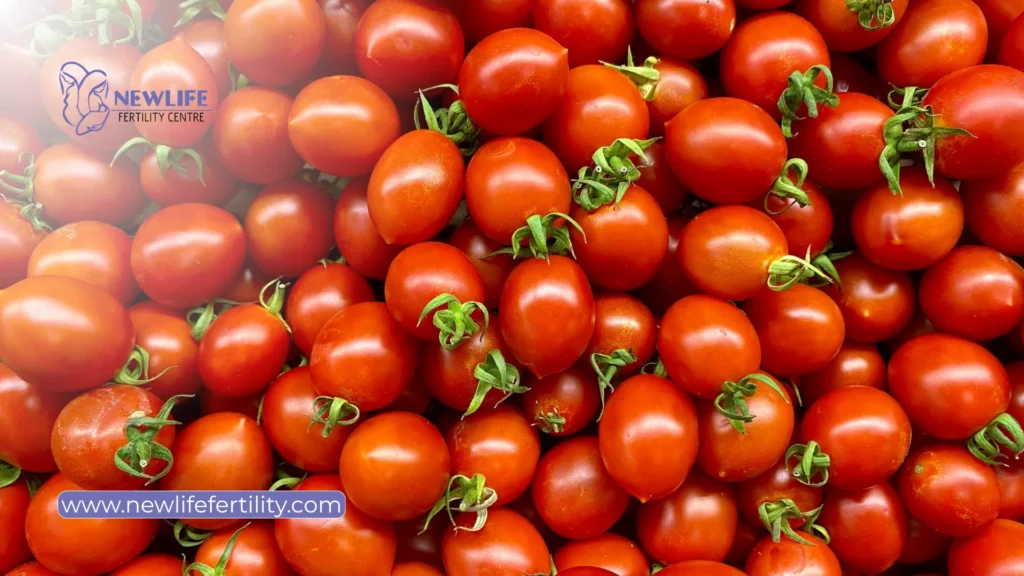
Tomatoes contain lycopene, a naturally occurring carotenoid that has been studied in relation to male reproductive health.
The research is interesting, but it is not strong enough to suggest that eating tomatoes alone can improve fertility.
They can still be a nutritious part of your meals. Add fresh tomatoes to salads, soups or vegetable-based dishes
Eggs
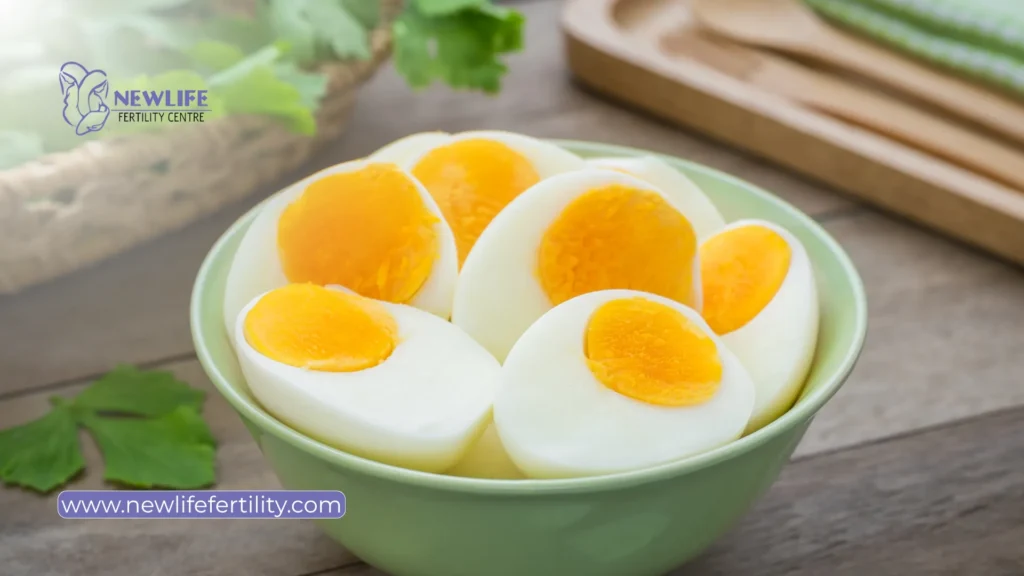
Eggs provide protein along with nutrients such as selenium, vitamin B12 and choline.
They are also easy to include in everyday meals. You could have eggs with vegetables for breakfast, add a boiled egg to a salad or use them as a protein source in another balanced meal.
Beans and lentils
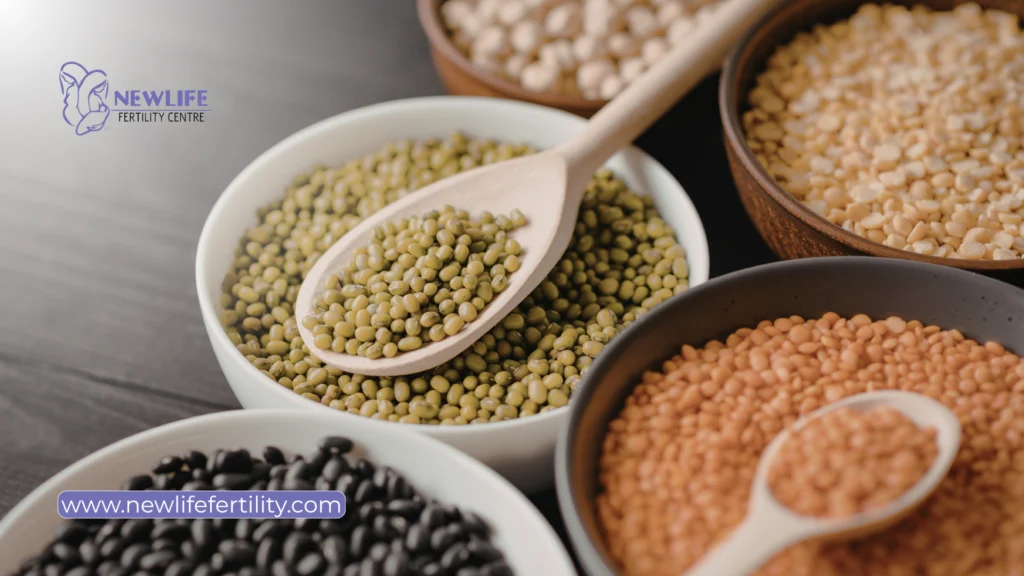
Beans, chickpeas and lentils provide plant-based protein, fibre, folate and minerals.
They can also add variety to your diet without relying on highly processed foods. Try lentil soup, chickpea salad or beans with whole grains and vegetables.
Whole grains
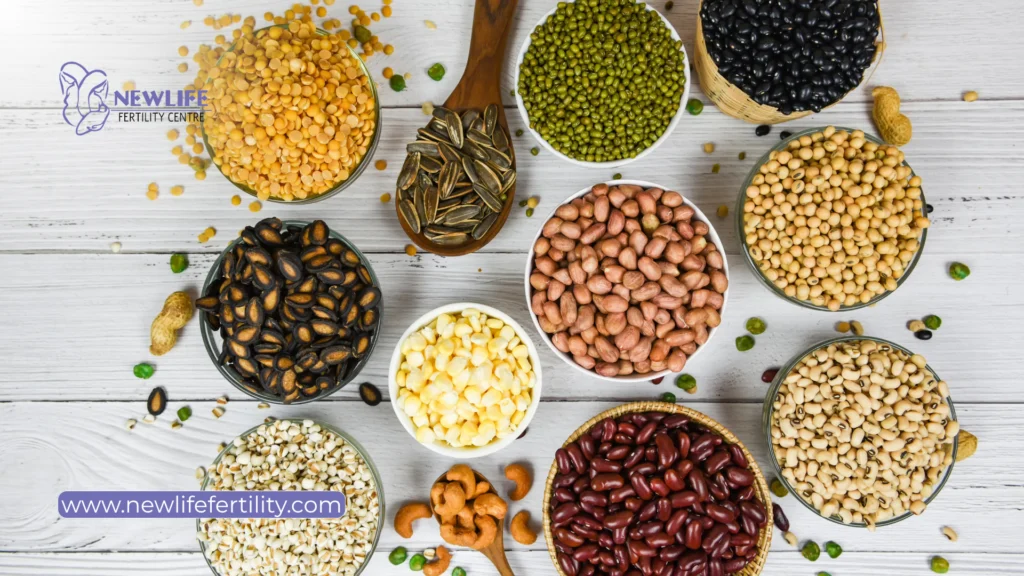
Oats, quinoa, brown rice and whole-grain bread provide fibre and other nutrients.
You do not need to completely eliminate refined grains. Simply choosing whole-grain options more often can be a straightforward improvement.
For example, start the day with oats or use brown rice or quinoa as the base of a meal.
Seeds
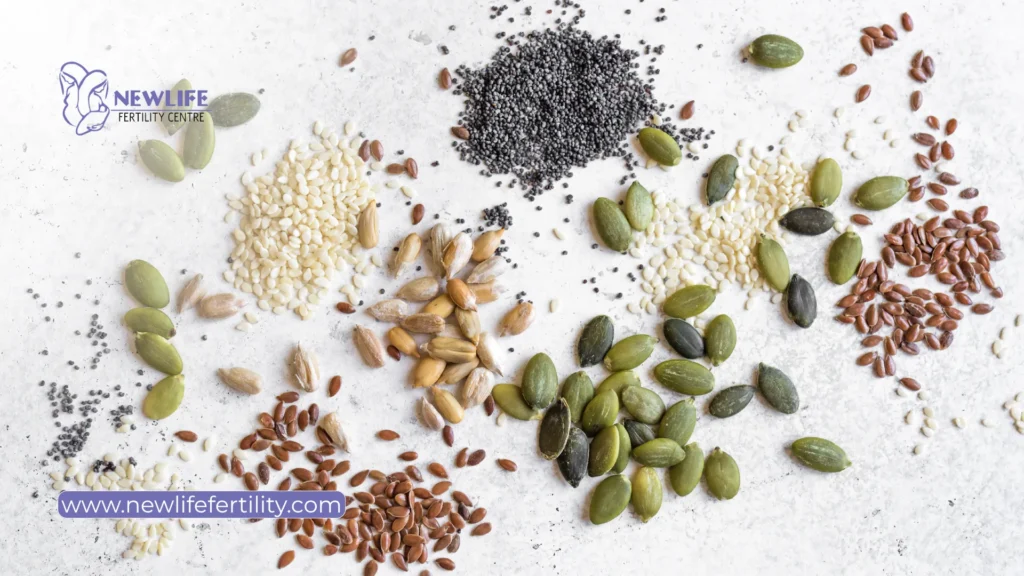
Pumpkin seeds, chia seeds, flaxseeds and sunflower seeds can provide healthy fats, fibre and minerals.
Pumpkin seeds are also a source of zinc, which is involved in normal reproductive function.
You may find claims online about specific seeds being powerful fertile seed male fertility enhancement foods. Be cautious with these claims. There is not enough evidence to say that one type of seed can independently improve male fertility.
Plain yoghurt
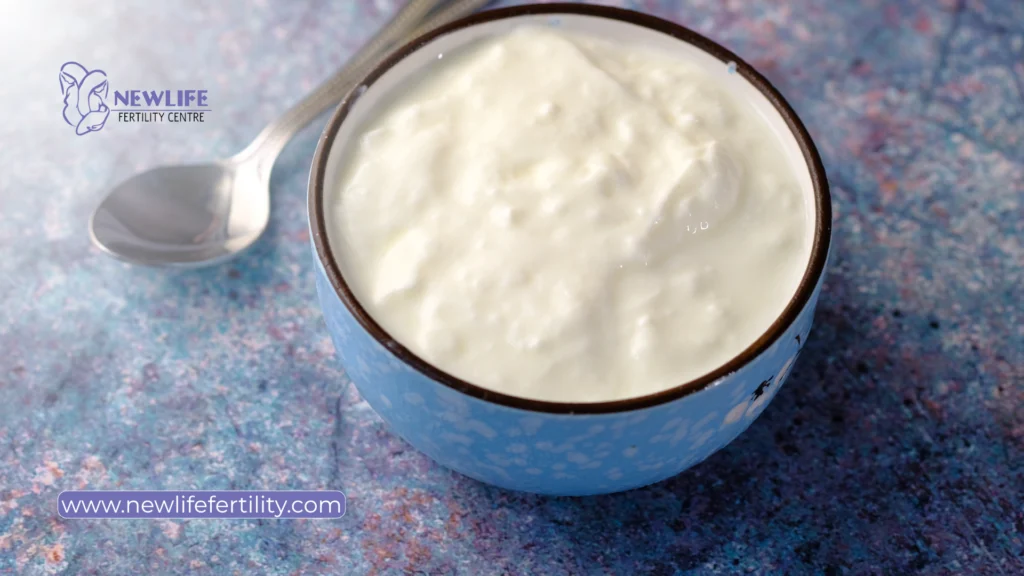
Plain yoghurt and Greek yoghurt can provide protein and calcium.
For a simple snack, combine plain yoghurt with berries, walnuts or seeds. Choosing plain varieties can also help you reduce the added sugar found in some flavoured products.
Foods and eating habits to limit for male fertility enhancement
Supporting male reproductive health is not only about adding nutritious foods. It can also help to reduce foods that are highly processed or consumed frequently.
Consider limiting:
- Processed meats
- Deep-fried foods
- Highly processed snacks
- Sugar-sweetened drinks
- Foods high in trans fats
- Excessive saturated fat
- Excessive alcohol
You do not need to follow a perfect diet. An occasional takeaway or dessert is not likely to determine your fertility.
What matters more is your usual eating pattern.
Essential nutrients for male fertility
A healthy diet provides a combination of vitamins, minerals and healthy fats that support normal body function, including processes involved in reproductive health. Rather than focusing on one “fertility nutrient”, it is better to get a variety of nutrients from different foods.
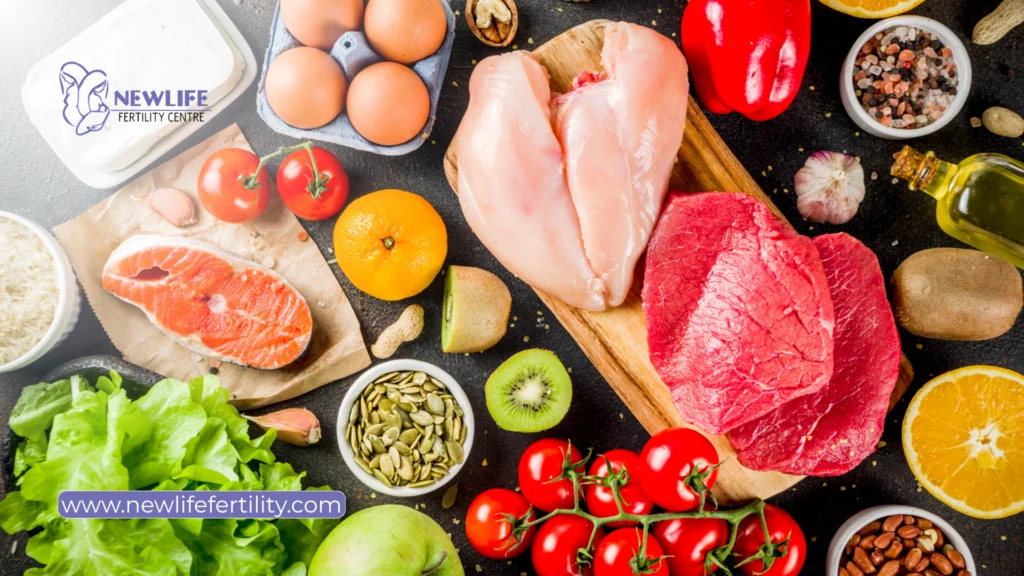
Some nutrients that have been studied in relation to male reproductive health include:
| Nutrient | Why it matters | Food sources |
| Zinc | Contributes to normal reproductive function and is involved in several processes related to sperm production. | Pumpkin seeds, beans, eggs, seafood and meat |
| Selenium | Helps protect cells from oxidative damage and supports normal reproductive function. | Fish, eggs, seafood and Brazil nuts |
| Folate | Plays a role in cell division and the production of new cells, making it an important nutrient for overall reproductive health. | Leafy green vegetables, lentils, beans and avocado |
| Vitamin C | An antioxidant vitamin that helps protect cells from oxidative stress. | Oranges, berries, peppers, kiwi and broccoli |
| Vitamin E | Has antioxidant properties and helps protect cells from oxidative damage. | Almonds, sunflower seeds, vegetable oils and other nuts |
| Omega-3 fatty acids | Important fats involved in normal cell function and found in several foods associated with healthier dietary patterns. | Salmon, sardines, trout, walnuts and chia seeds |
The key is variety rather than quantity. You do not need to eat large amounts of one particular food to support your nutritional needs. Building meals around vegetables, fruits, whole grains, legumes, fish, nuts and seeds can help you get a broader range of nutrients as part of an overall balanced diet.
It is also worth remembering that getting enough of these nutrients through food does not guarantee improved fertility. Diet is one part of male reproductive health, and persistent concerns about sperm quality or difficulty conceiving may require a proper fertility assessment.
Foods for male fertility are only one part of the bigger picture
Making healthier food choices can be a practical way to support your overall health and provide your body with nutrients involved in normal reproductive function. But while there is growing interest in foods to enhance male fertility, nutrition alone cannot explain every fertility concern or guarantee improvements in sperm health.

If you have been trying to conceive or are concerned about your sperm health, getting the right information can make a meaningful difference. At NewLife Fertility, male fertility is an important part of the fertility assessment process. Our team can help identify potential factors affecting fertility through appropriate testing and personalised evaluation.
Sometimes, the next step may simply be continuing healthy lifestyle changes. In other cases, a semen analysis or further fertility testing may provide answers that diet alone cannot. Understanding your individual situation can help you move forward with greater clarity and confidence.
If you are ready to take the next step in your fertility journey, book a free consultation now for personalised guidance and support tailored to your needs.
Frequently asked questions about foods to enhance male fertility
Which foods are best for improving male fertility?
A balanced diet containing fruits, vegetables, whole grains, nuts, seeds, legumes, fish and other nutrient-rich foods can support overall health and healthy sperm function. However, no single food can treat male infertility. At NewLife Fertility, a fertility specialist can help identify whether nutrition, lifestyle or an underlying medical condition may be affecting fertility.
Can diet improve sperm quality if there is an underlying fertility problem?
Diet may support general health and, in some circumstances, semen quality, but it cannot correct every cause of male infertility. Conditions such as hormonal problems, varicocele or certain genetic factors may require medical assessment and treatment.
How long does it take for dietary changes to affect sperm health?
Sperm production takes several weeks, so improvements from dietary and lifestyle changes are not immediate. Consistent healthy habits over time may support sperm health, but men experiencing fertility difficulties should not rely on diet alone and should consider a professional fertility evaluation.
Should men follow a special diet before IVF or ICSI?
There is no universally prescribed “IVF diet” for men. A balanced, nutrient-rich eating pattern, healthy weight, regular physical activity and avoidance of harmful habits can support overall reproductive health. At NewLife Fertility, dietary habits can be considered alongside the couple’s fertility assessment and treatment plan.
Does diet affect sperm DNA quality?
Nutrition may influence oxidative stress, which has been studied in relation to sperm DNA integrity. However, sperm DNA fragmentation can have multiple causes, so dietary changes alone cannot be expected to correct an abnormal result. A fertility specialist can determine whether additional testing is appropriate.