Trying to conceive can feel like a full time job you never signed up for. One month you feel hopeful, the next you are staring at a calendar wondering what you missed. If you are reading this, chances are you already want to know one thing. What can you actually do, starting today, to give your body the best shot at getting pregnant.
The good news is that female fertility is not a mystery box. There are real, practical habits that support your ovulation, your egg quality, and your overall reproductive health. None of them require you to overhaul your entire life overnight. Let us walk through nine of them together.
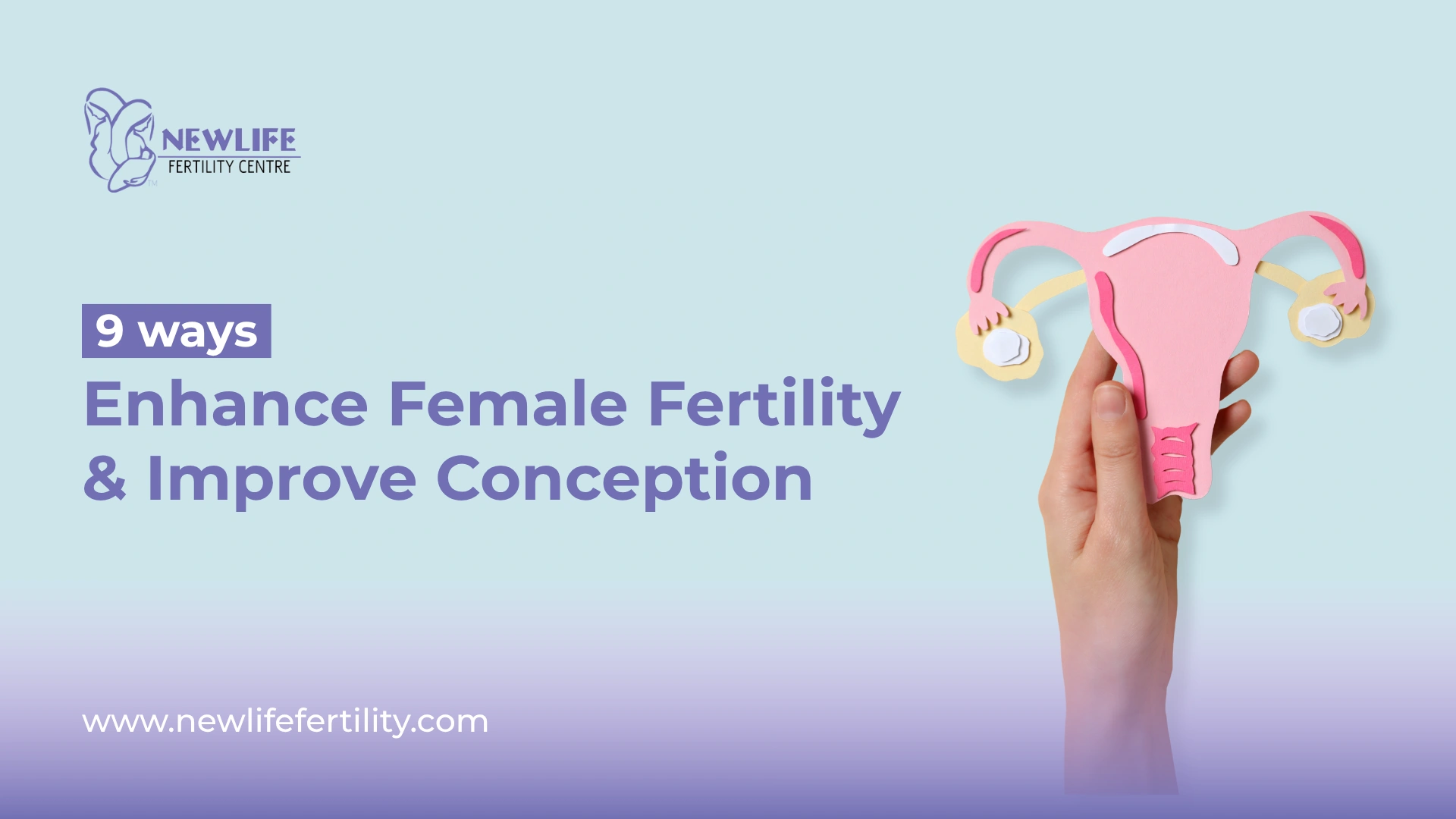
9 ways to enhance your female fertility and improve conception
Small, consistent changes add up faster than most people expect. Here are the habits worth building into your routine while you are trying to conceive.
Track your ovulation and fertile window
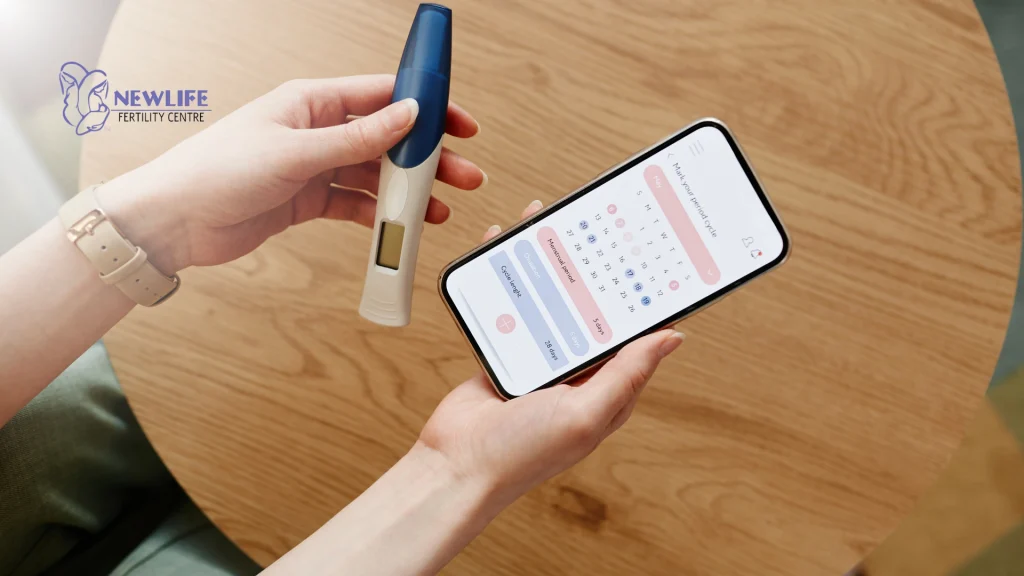
You cannot time something you cannot see, and ovulation is easy to miss if you are not paying attention. Ovulation predictor kits are one of the simplest ways to know when your body is gearing up to release an egg. They measure a hormone called luteinizing hormone, which surges right before ovulation.
Cycle tracking apps are another option, especially if your periods are fairly regular. You can also learn to read cervical mucus changes. Right before ovulation, it usually becomes clear, stretchy, and slippery, similar to raw egg white.
Once you know your fertile window, you can plan intimacy around it instead of guessing. This alone removes a huge amount of stress for many women trying to conceive.
Have sex during your most fertile days

This sounds obvious, but timing matters more than frequency. Your fertile window generally includes the five days before ovulation and the day of ovulation itself. Sperm can survive inside the body for a few days, while an egg only survives for about twenty four hours after release.
Having sex every one to two days during this window gives you a solid chance without turning intimacy into a chore. You do not need a rigid schedule or a spreadsheet. Just aim to be intentional as your fertile days approach.
Eat a fertility friendly, balanced diet
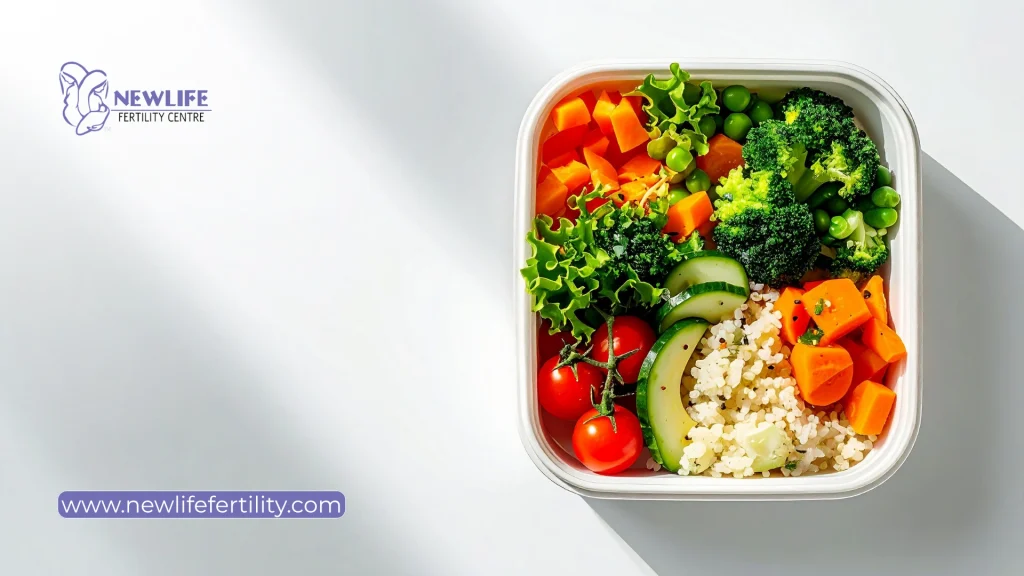
What you eat plays a real role in reproductive health, even if it is not the only factor. Focus on vegetables, fruits, whole grains, lean proteins, and healthy fats like those found in olive oil, nuts, and avocado.
Nutrients like iron, zinc, omega 3 fatty acids, and antioxidants support egg quality and hormone balance. Try to limit processed foods, excess sugar, and trans fats, since they can contribute to inflammation and hormonal imbalance. You do not need a perfect diet. You need a mostly good one, most of the time.
Take prenatal vitamins and folic acid
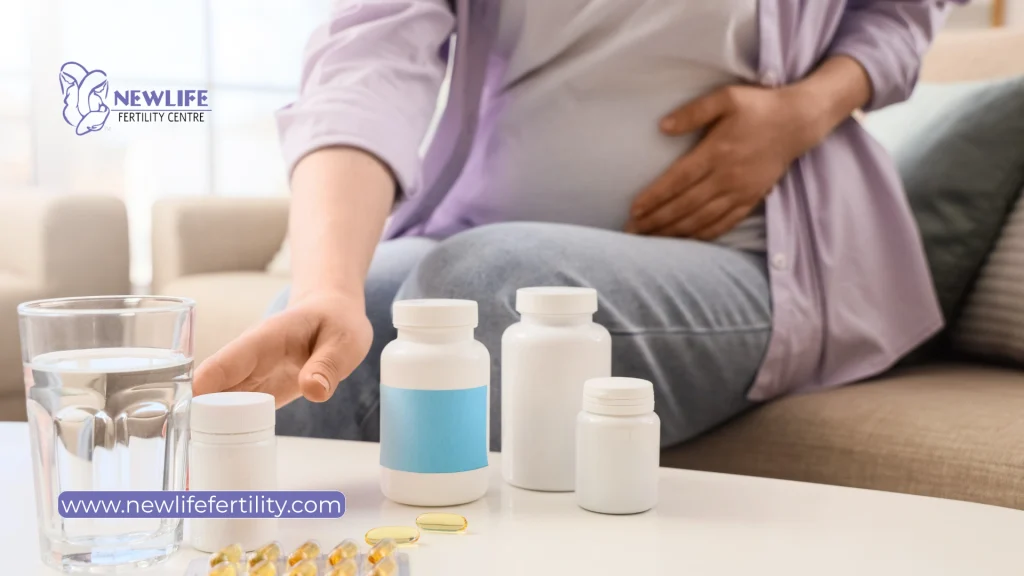
Folic acid is one of the most important nutrients when you are trying to conceive. It helps prevent neural tube defects in early pregnancy, and those defects can develop before many women even know they are pregnant. That is why doctors recommend starting folic acid before conception, not after a positive test.
A quality prenatal vitamin usually covers folic acid along with iron, vitamin D, and other nutrients your body needs. If you are already taking other supplements or medications, talk to your doctor before adding anything new, just to be safe.
Maintain a healthy weight
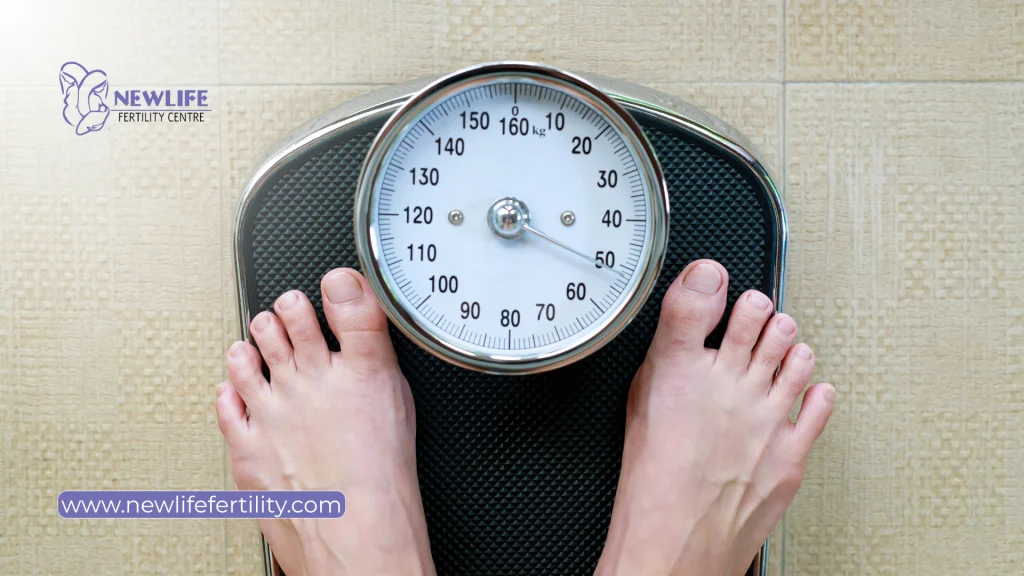
Your weight and your hormones are more connected than most people realize. Being significantly underweight can disrupt ovulation, sometimes stopping it altogether. Being significantly overweight can also throw off hormone levels and make ovulation less predictable.
The goal is not a number on a scale. It is finding a weight range that supports regular ovulation for your body. Focus on sustainable habits like balanced meals and regular movement rather than fast weight loss, which can actually make hormonal issues worse in the short term.
Exercise regularly, but avoid overtraining

Moving your body regularly supports healthy hormone levels, better sleep, and lower stress, all of which matter for fertility. Aim for consistent, moderate activity like walking, swimming, cycling, or light strength training most days of the week.
At the same time, very intense or excessive exercise can sometimes disrupt your cycle, especially if it leads to a low body fat percentage. If your workouts are extremely intense and your periods have become irregular, it may be worth easing off and talking to your doctor.
Quit smoking and limit alcohol
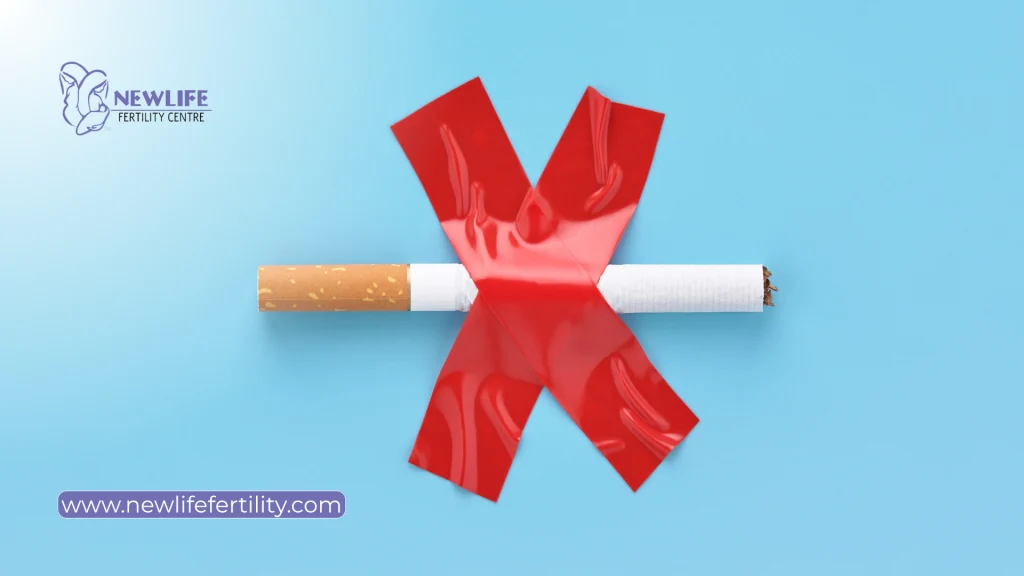
Smoking has a well documented negative impact on fertility. It can affect egg quality, hormone levels, and how quickly your ovarian reserve declines. If you smoke and you are trying to conceive, quitting is one of the most impactful things you can do for your reproductive health.
Alcohol is a bit more nuanced, but most doctors recommend limiting it significantly, or avoiding it altogether, while trying to conceive. The same goes for recreational drugs, which can interfere with ovulation and hormone regulation.
Manage stress and get enough sleep

Trying to conceive can be stressful in itself, which creates a frustrating cycle. Chronic stress can affect the hormones involved in ovulation, and constantly stressing about getting pregnant does not help. Simple habits like a daily walk, gentle yoga, journaling, or a few minutes of deep breathing can make a real difference over time.
Sleep matters just as much. Poor sleep disrupts the hormones that regulate your cycle. Aim for a consistent sleep schedule and seven to nine hours a night whenever possible. Your body repairs and regulates itself best when it is well rested.
Know when to get fertility help
Lifestyle changes matter, but sometimes they are not the whole picture, and that is completely normal. If you are under thirty five and have been trying for a year without success, it is a good time to talk to a fertility specialist. If you are thirty five or older, doctors generally recommend seeking help after six months of trying.
You should also consider earlier evaluation if you have irregular periods, absent ovulation, painful periods, or a known reproductive health condition. Wanting answers sooner is not overreacting. It is being proactive about your own body.
What is the one change you will make first to support your female fertility?
You do not have to do all nine of these perfectly, or all at once. Pick one or two that feel realistic for where you are right now, and build from there. Your body responds to consistency, not perfection.
If you have been trying for a while and still have questions, or you simply want expert eyes on your fertility journey, NewLife Fertility is here for exactly that. Our team of reproductive specialists combines advanced diagnostics with personalized, compassionate care, helping women and couples understand what is really going on and what steps make sense next. Whether you are just starting to try or you have been on this path for some time, you do not have to figure it out alone.
Book your free consultation with NewLife Fertility today, and take the next step toward the answers and support you deserve.
Frequently asked questions about female fertility
Most healthy couples conceive within twelve months of regularly trying. Around eighty percent conceive within the first six months.
Stress alone rarely causes infertility, but chronic stress can affect ovulation and hormone balance, which may make conceiving take longer.
Yes. Fertility gradually declines through your thirties and more noticeably after age thirty five, mainly due to a natural decrease in egg quantity and quality.
Not necessarily. A few months of trying is normal. Seek help after twelve months if you are under thirty five, or after six months if you are thirty five or older.
Yes, moderate regular exercise supports hormone balance and healthy weight, both of which are linked to better fertility outcomes.