Whenever couples or individuals search for the IVF timeline, it often comes with a mix of hope and worry. IVF is a significant step, and it’s natural to feel overwhelmed by the process and its uncertainties.
Most people who arrive here have already tried on their own, faced disappointments, and finally turned to Many who arrive here have already tried on their own, faced disappointments, and finally turned to IVF with courage. If that’s where you are right now, know this: you’re not alone, and countless others have walked this path before.
Every year, thousands of couples and single mothers take this journey. Each story is unique, but hearing about the process and real experiences shared by leading fertility clinics in Canada can bring clarity and reassurance.
So, let’s answer the big question: “How long does IVF take?”
The truth is, there’s no single answer to this question.
For some, it may take just a few months from the first appointment to a positive pregnancy test. For others, it may stretch longer, with unexpected delays, extra tests, or even switching clinics.
What matters the most is that the process is designed according to your body type, your health, and your circumstances. That’s why you can’t compare your timeline with someone else’s. Instead, think of IVF as a journey that adapts to you and sometimes, patience is what opens the door to success.
Moving further along…
IVF process timeline: Step by step guide

If you’ve ever wondered how long IVF takes, understanding each stage can make things much clearer. Below is the in vitro fertilization process timeline explained step by step, so you can get a realistic idea of what to expect.
Initial consultation and testing

The IVF procedure timeline begins with a consultation. During this stage, your doctor reviews your medical history, conducts fertility tests, and identifies any specific challenges. This is the planning phase, where your treatment plan is customized just for you.
Ovarian stimulation and monitoring

Once the plan is in place, medications are prescribed to stimulate your ovaries. The goal is to grow multiple eggs rather than just one. During this phase, you’ll have regular check-ups and ultrasounds so your doctor can track how your body is responding.
Egg retrieval and fertilization

When your eggs are ready, a minor procedure is performed to retrieve them. The eggs are then combined with sperm in the lab for fertilization. Not every egg will fertilize, but those that do begin developing into embryos.
Embryo transfer
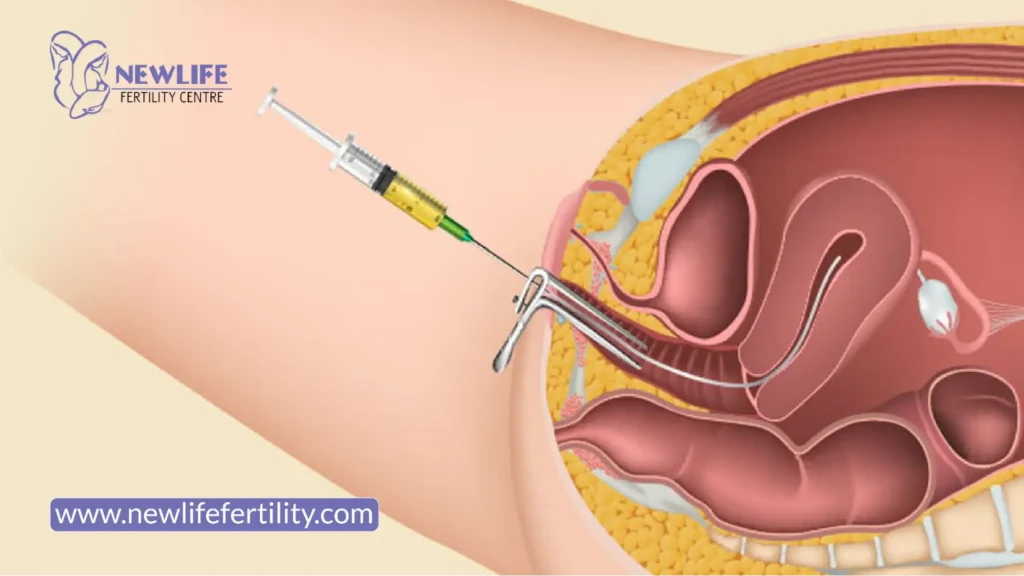
A few days later, the healthiest embryo is selected for transfer. This is a quick and gentle procedure where the embryo is placed into the uterus. Many patients describe this stage as more emotional than physical, it feels like the closest step to holding on to hope.
The two-week wait

After transfer comes the hardest stage: waiting. For about two weeks, you won’t know the result, and each day can feel long. Finally, a blood test confirms whether the embryo has implanted and if pregnancy has begun.
How long does IVF take? Why every IVF timeline looks different?

On paper, the IVF process timeline looks straightforward. But in reality, no two journeys are exactly alike. Everyone responds differently to IVF medications, unexpected results may require repeat cycles, and sometimes patients switch clinics before finding success.
Some couples may move smoothly from consultation to a positive pregnancy test in just a few months.
Others may face delays, repeat cycles, or even need to switch clinics before finding success.
This is why IVF stories are so powerful. They remind us that ups and downs are part of the process, and even if the path takes longer, many still reach their goal.
To bring this closer to reality, let’s look at how some couples have experienced IVF in their own words on Reddit
Real IVF timeline shared by couples

Every IVF journey has its own timeline, and hearing real experiences can give you perspective. Here are two examples shared by couples:
Couple A: Their IVF journey started with a consultation in June. By August, the husband underwent surgery, and shortly after, his wife began injections. Egg retrieval took place at the end of August, followed by a fresh embryo transfer. After many ups and downs, they received their positive result. Their baby is due 11 months after their very first appointment.
Couple B: For them, the journey stretched over a year. They had two egg retrievals, three embryo transfers, and eventually switched clinics. Once they started at the new clinic, it took about four and a half months from the beginning of treatment to a successful transfer. Their baby is due around one year and nine months after the initial consultation.
These examples show that while the IVF timeline varies, patience and persistence often lead to success.
Factors that affect the IVF timeline
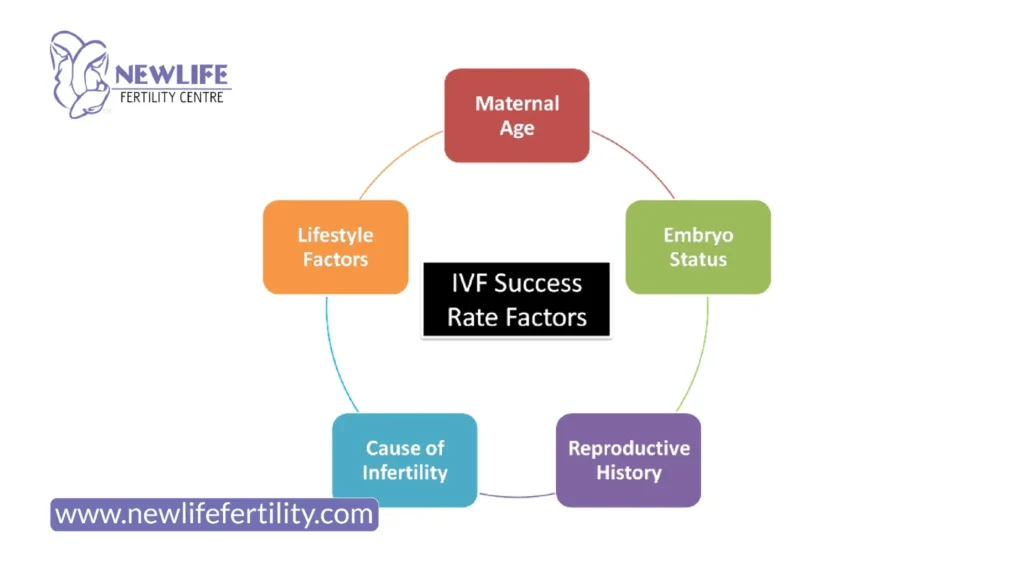
The truth is, even though the IVF process timeline has clear steps, the actual length of the journey can vary from person to person. Here are some of the most common factors that can affect how long in vitro fertilization takes:
Medical conditions (PCOS, male infertility, etc.)
Underlying health issues can influence the pace of IVF. For instance, women with PCOS may require closer monitoring during ovarian stimulation, while men with low sperm counts might need additional procedures like ICSI. These extra steps can extend the timeline but also increase the chances of success.
Genetic testing (PGT) and embryo freezing
If couples choose preimplantation genetic testing (PGT), embryos need to be frozen and analyzed before transfer. This process can add several weeks or even months to the IVF procedure timeline. While it may take longer, PGT helps ensure healthier embryos and may reduce risks later.
Switching clinics or adjusting treatment
Not every cycle goes as planned. Sometimes couples need to change clinics, try a new protocol, or adjust medications. While these changes may feel like delays, they are part of making IVF work best for your body.
Emotional readiness and personal circumstances
IVF is not only a medical journey, it’s also deeply emotional. Some couples take breaks between cycles to recover, manage stress, or handle personal commitments. While these pauses may extend the IVF process and timeline, they can make the experience more manageable and sustainable.
Every IVF journey has its own timeline
The IVF journey is rarely a straight line. For some, success comes with the very first cycle. For others, the road is longer, with setbacks, delays, and moments of waiting that feel endless.
But here’s the truth, every step you take, the tests, the injections, the transfers, carries you closer to the dream of holding your baby. Even when the timeline feels uncertain, you are still moving forward.
Time can feel heavy when you’re counting days, weeks, or even months. Yet your story is uniquely yours. Just because it takes longer doesn’t make it any less meaningful. What matters most is the destination: the joy of finally welcoming life into your family.
At NewLife Fertility Centre, we understand that IVF is not just about science or medicine, it’s about people. It’s about your hopes, your fears, and your dreams. That’s why we’re here to guide you with compassion, expertise, and steady support so you never have to walk this road alone.
Because while every family story unfolds in its own time, you deserve a partner who will stay beside you until your story is complete.
👉 Every journey starts with a conversation. Schedule your free IVF consultation and take your next step forward with confidence.
Tip: Explore all the services we offer before your visit. This will help you have a more informed conversation with our team, and more importantly, give you peace of mind.
Frequently asked questions
Usually, one full IVF cycle takes around 6 to 8 weeks from the first consultation to embryo transfer. This covers ovarian stimulation, egg retrieval, fertilization, and the transfer.
That said, the timeline can vary depending on how the body responds, medical needs, or if additional testing is part of the process.
Typically, one IVF cycle takes about 2 to 3 months from start to finish, including fertility testing, medications, and procedures.
If multiple cycles are needed, or if breaks are taken for recovery or emotional readiness, the entire journey may stretch to several months or even up to a year.
Yes, adding Preimplantation Genetic Testing (PGT) does extend the process. Embryos are biopsied, frozen, and then tested before transfer, which adds a few weeks.
Many couples feel it’s worthwhile since PGT helps identify healthy embryos with the right number of chromosomes, improving success rates in the long run.
It’s possible for IVF to work in the very first cycle, especially when factors like age, fertility health, and embryo quality are favorable.
For many couples, though, it may take more than one attempt. Needing multiple cycles isn’t unusual and simply means the journey requires more time and patience.
On average, most couples need 2 to 3 cycles to achieve a successful pregnancy. Not every egg retrieval, fertilization, or transfer results in pregnancy. Each cycle also provides doctors with more insights, which helps improve the chances in future attempts.
The shortest timeline can be about 6 weeks when everything runs smoothly and no extra testing is required. On the other end, the process can take a year or more if multiple cycles, PGT testing, or clinic changes are involved. The experience is unique for each couple, but every step moves things closer to the goal.