Can I have coffee during pregnancy?
It’s a question almost every expecting mother asks, and it’s completely normal. Pregnancy is one of the most beautiful blessings, where you carry a new life within you. During this journey, mothers (and their families) often wonder what to eat, what to avoid, and what lifestyle choices are truly safe.
But the reality is, not every pregnancy journey is simple. Some couples face challenges like blocked tubes, male factor infertility, or the risk of passing on a genetic condition. In such situations, doctors may recommend IVF as a path to parenthood. And one of the most commonly prescribed medications in this process is Estrace.
If you are preparing for IVF, it’s important to understand the side effects of Estrace for IVF. Many patients search for terms like Estrace IVF side effects, IVF Estrace side effects, or even specific concerns such as Estrace 2mg side effects IVF. Others want to know about the side effects of Estrace pills for IVF, especially when combined with progesterone. Some patients also report symptoms like Estrace side effects, IVF headache, making it essential to know what to expect.
With so much information online, it’s easy to feel overwhelmed. That’s why, as one of Canada’s trusted fertility clinics, we’re here to provide clarity. In this blog, we’ll explain the effects of Estrace for IVF, the possible Estrace pills side effects IVF patients may notice, and even discuss Estrace and progesterone after IVF side effects. By the end, you’ll know how to prepare yourself—both physically and emotionally—for this stage of your fertility journey.
Let’s talk about the side effects of Estrace for IVF and what you should expect.
Estrace is a commonly prescribed medication during IVF, helping prepare the uterine lining for embryo transfer. Like all IVF medications, it can cause certain side effects, and knowing what to expect can make the process easier to manage.
What is IVF?
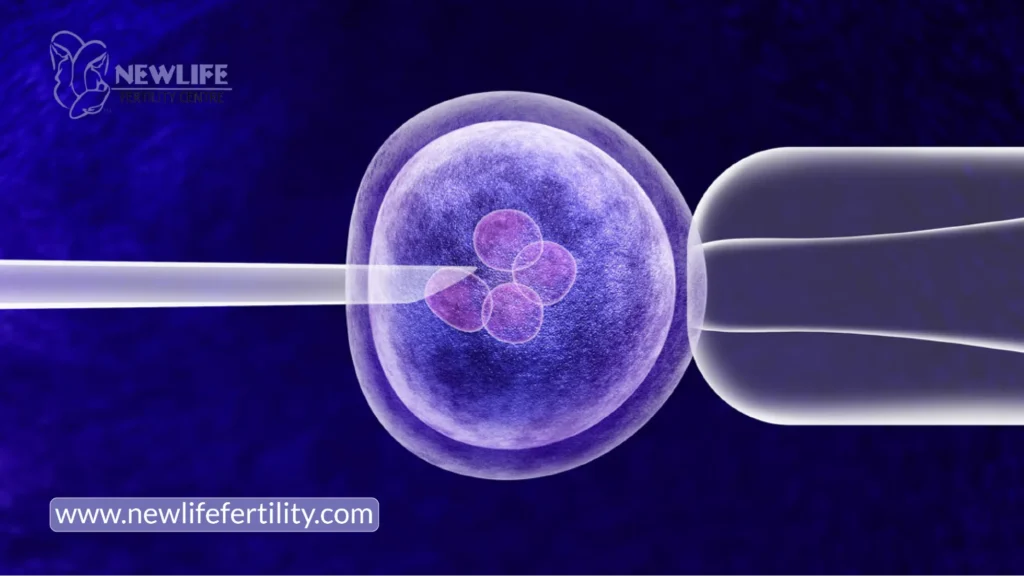
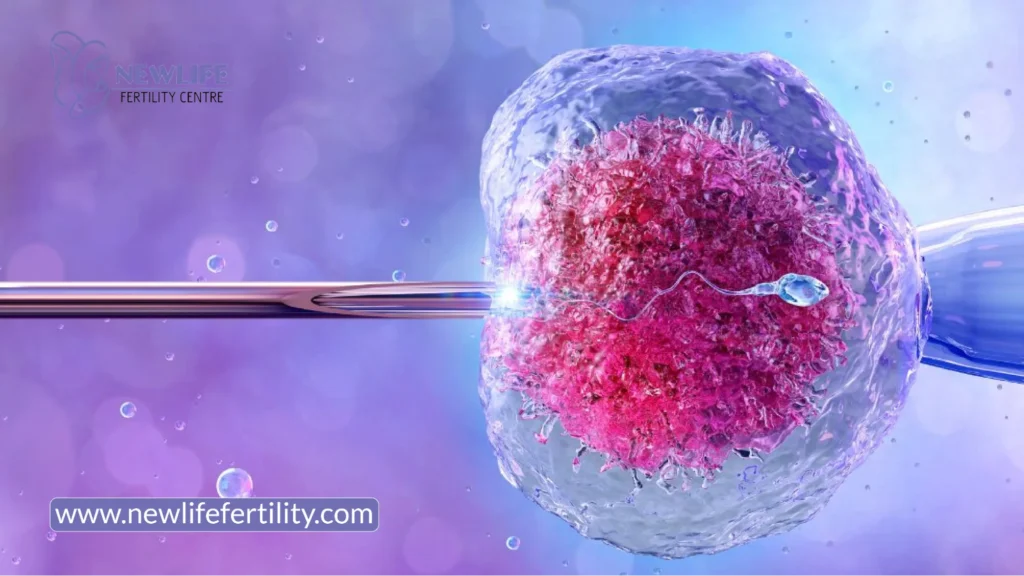
In vitro fertilization (IVF) is one of the most widely used assisted reproductive technologies designed to help individuals or couples conceive when pregnancy does not happen naturally. The IVF process involves fertilizing an egg with sperm outside the body in a laboratory setting. Once the embryo develops, it is carefully implanted into the uterus to establish pregnancy. IVF is often recommended for couples facing challenges such as blocked fallopian tubes, male factor infertility, or unexplained fertility issues. During this process, medications like Estrace are commonly prescribed, and many patients search for guidance about the possible side effects of Estrace for IVF or want to better understand how Estrace IVF side effects may affect their journey.
The stages of in vitro fertilization (IVF)

You’ve had your initial consultation with your reproductive endocrinologist, completed diagnostic fertility testing, discussed family-building options, and decided to move forward with IVF. Here’s a step-by-step look at what happens next, including a closer look at Estrace for IVF side effects.
Stage 1: Suppression

The first step of IVF is called suppression. The goal is to quiet the ovaries from their natural rhythm, often using medications like oral contraceptives or Estrace (estradiol). This is important because, in a normal menstrual cycle, follicles grow at different rates, with one becoming dominant. During IVF, we want all follicles to grow more evenly to maximize the number of eggs retrieved.
Taking Estrace pills for IVF helps regulate the uterine lining and keeps follicular growth at a uniform starting point. This ensures that when stimulation medications begin, the ovaries are primed for optimal response.
Stage 2: Stimulation

What happens?
This stage is often called the injection phase. Oral medications like Estrace are not strong enough to stimulate multiple follicles, so injectable hormones (FSH and LH) are used. These injections encourage many follicles to grow at once, improving the chance of retrieving multiple eggs.
Not every follicle will reach full maturity, and that’s normal. Even smaller ones are retrieved, though not all fertilize successfully.
Stage 3: Egg retrieval
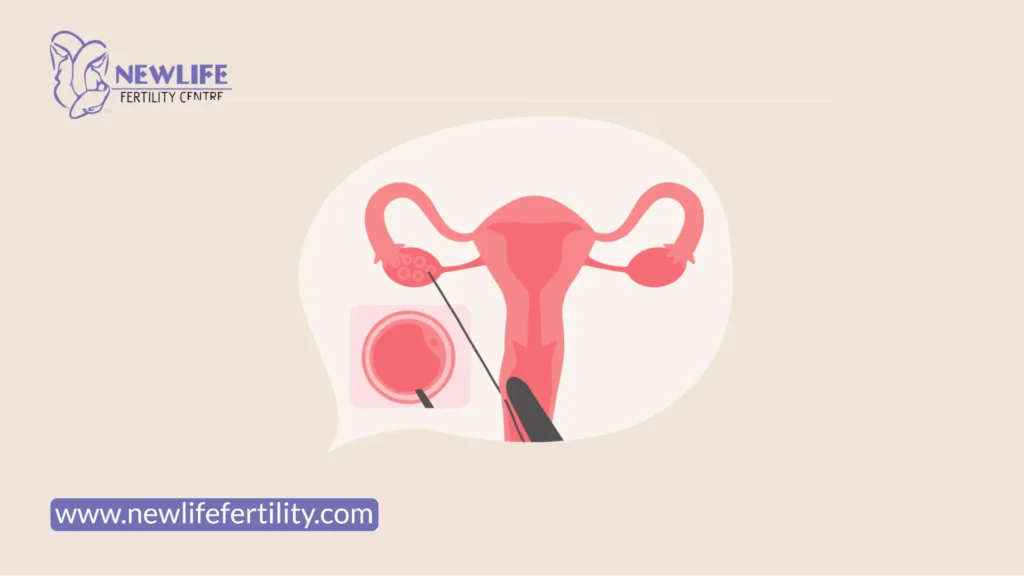
Egg retrieval is a short procedure. A reproductive endocrinologist uses ultrasound guidance to puncture each follicle and collect the fluid. An embryologist then checks the fluid under a microscope to count and prepare the eggs for fertilization.
Not all eggs retrieved are mature. Pre-mature or post-mature eggs are counted but cannot be fertilized. While this can be disappointing, attrition is expected in IVF cycles.
Stage 4: Embryo transfer
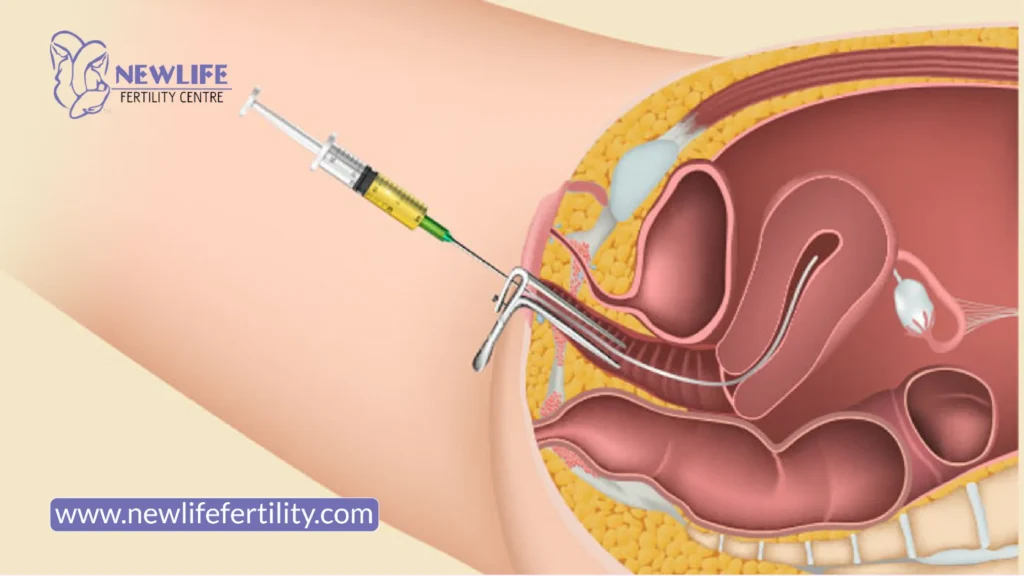
An embryo transfer is the next major step after egg retrieval and fertilization. During this procedure, either fresh or thawed blastocysts (embryos) are placed into the uterus of the person who will carry the pregnancy. This could be the intended mother or a gestational surrogate.
The embryo transfer takes place in the same surgical suite as your egg retrieval, but this time, no anesthesia is needed.
Why do you need a full bladder?
We ask that you arrive with a full bladder for two reasons:
- A full bladder helps us visualize and confirm the proper placement of the embryo in the uterus using an abdominal ultrasound.
- It straightens out the natural curve of the cervical canal, making it easier to guide the transfer catheter (which holds the embryo).
Your care team will guide you on how much water to drink beforehand and how “full” is just right.
What is Estrace used for in IVF?

Estrace is a tablet that contains estradiol, a form of estrogen naturally produced in the ovaries. During a normal menstrual cycle, estradiol levels rise, leading to egg maturation, ovulation, and thickening of the uterine lining to prepare for implantation.
In in vitro fertilization (IVF), Estrace is commonly prescribed to support egg development and improve the chances of implantation. It is especially used during frozen embryo transfer cycles, where the medication helps thicken the uterine lining. Many patients, however, also want to know about the side effects of Estrace for IVF, since hormonal treatments can cause physical changes. Some women report Estrace IVF side effects such as bloating, mood swings, or headaches, while others may not experience significant issues.
Progesterone, another ovarian hormone, is often combined with Estrace in IVF cycles. Studies have shown that using both hormones can improve early pregnancy outcomes. That said, patients may also notice Estrace and progesterone after IVF side effects, ranging from mild discomfort to changes in menstrual flow.
In addition, gonadotropin-releasing hormone (GnRH) may be included in some IVF protocols. This hormone regulates thyroid activity and estrogen production, further supporting egg growth and implantation.
Estrace priming in IVF and how it works
Estrace priming is an important step used in the cycle before starting IVF to help prepare the body for treatment. According to ONE Fertility, this process helps regulate hormones and prepare the uterine lining for embryo transfer, a key factor in IVF success.
For patients who get their period every 25 to 33 days, the process begins by monitoring ovulation with ovulation prediction kits (OPKs). Once ovulation is detected, Estrace tablets are introduced at specific intervals to support cycle regulation.
Here is a step-by-step outline of Estrace priming:
- Call the clinic with your pharmacy number so the nurse can send in your Estrace prescription.
- Purchase ovulation prediction kits (OPKs) from your pharmacy.
- Begin testing on cycle day 10 using your first urine of the day. Continue until you get a positive OPK, which means ovulation has occurred. If no positive test appears by cycle day 20, call the clinic.
- Once ovulation is confirmed, start Estrace (2 mg tablet twice a day) seven days after ovulation.
- Call the clinic on day 1 of your next period and leave a message if staff are not available.
- Continue Estrace until instructed to stop by your nurse. You will be guided on when to discontinue Estrace and come for your first visit.
- If you have taken Estrace for 10 days without getting a period, contact the clinic.
It is also important to understand potential Estrace IVF side effects, which may include bloating, breast tenderness, mood swings, or headaches. While these effects are generally mild, being informed can help patients feel more prepared during the IVF journey.
Things to consider before taking Estrace for IVF

You should not use Estrace if you are allergic to estradiol, or if you have:
- Unexplained vaginal bleeding that a doctor has not checked
- Liver disease
- A history of heart attack, stroke, or blood clot
- A genetic or medical condition that increases your risk of blood clots
- A history of hormone-related cancers, including breast, uterine, cervical, or vaginal cancer
Do not use Estrace if you are pregnant. Tell your doctor right away if you become pregnant during treatment, since the side effects of Estrace for IVF may harm pregnancy.
Using this medication may increase the risk of blood clots, stroke, or heart attack. The risk is higher in women with high blood pressure, diabetes, high cholesterol, those who are overweight, or those who smoke. Estrace IVF side effects may also include an increased risk of hormone-related cancers, such as breast, uterus, or ovarian cancer.
Estrace should not be used to prevent heart disease, stroke, or dementia, as it may raise the risk of these conditions.
To ensure this medicine is safe for IVF use, tell your doctor if you have ever had:
- Heart disease or circulation problems
- Liver problems or jaundice linked to pregnancy or hormones
- Kidney disease
- Gallbladder disease
- Asthma or breathing disorders
- Epilepsy or seizure disorders
- Migraines or severe headaches (a common Estrace side effect in IVF)
- Lupus
- Endometriosis or uterine fibroid tumors
- Hereditary angioedema
- Porphyria (a rare genetic enzyme disorder)
- Thyroid disorders
- High calcium levels in the blood
Since Estrace pills have side effects, IVF treatment may include breast changes; your doctor will recommend regular breast exams and mammograms. Women are advised to self-examine monthly for lumps.
Estrace can also lower hormones required for breast milk and slow down milk production. Inform your doctor if you are breastfeeding.
Important things to know about using Estrace during IVF

While Estrace priming is commonly used in IVF cycles, it is not suitable for everyone.
You should not use Estrace if you have any of the following conditions:
- Unexplained or undiagnosed vaginal bleeding
- Liver disease or a bleeding disorder
- If you are preparing for or recovering from major surgery
- A history of heart attack, stroke, or blood clots
- A personal history of breast cancer, uterine cancer, cervical cancer, or vaginal cancer
These warnings are especially important because the use of Estrace in IVF can increase risks in individuals with underlying health conditions. Always consult your doctor to ensure Estrace is safe for your IVF cycle and to discuss possible Estrace IVF side effects.
Estrace IVF warnings and precautions

Estrace as part of your IVF cycle, it is important to be aware of potential risks and safety measures. Patients should carefully follow medical advice and report any unusual symptoms right away.
Do not use Estrace if you are pregnant.
- Estradiol may increase the risk of developing conditions that could lead to uterine cancer. Any unusual vaginal bleeding should be reported to your doctor immediately.
- Using Estrace (estradiol) can increase the risk of blood clots, stroke, heart attack, or cancers of the breast, uterus, or ovaries.
- Estradiol should not be used as a preventive treatment for heart disease, stroke, or dementia.
- While taking Estrace, patients should have regular physical exams and mammograms, and perform monthly breast self-exams to check for lumps or changes.
These precautions highlight why it is essential to use Estrace only under medical supervision during your IVF cycle. If you have any concerns about Estrace IVF side effects or safety, always consult your fertility doctor.
How should I take Estrace during IVF?

Take Estrace exactly as prescribed by your fertility specialist. Do not increase your dose or continue longer than directed. Incorrect use may increase the side effects of Estrace pills for IVF, such as abnormal bleeding or hormone imbalances.
Because estradiol may increase the risk of uterine cancer, report any unusual vaginal bleeding right away.
Your doctor will usually monitor your progress every 3–6 months during IVF treatment. If you need surgery or extended bed rest, you may be advised to stop Estrace temporarily to reduce clotting risk.
Store Estrace at room temperature, away from heat, moisture, and light. Keep the bottle tightly closed.
Estrace dosage information and safety in IVF

Estrace is commonly prescribed during IVF cycles to help prepare the uterine lining for embryo implantation. Understanding the correct Estrace dosage and safety guidelines is essential to maximize treatment success and minimize risks.
What happens if I miss a dose?
If you miss a dose of Estrace during your IVF treatment, take it as soon as you remember. If it’s almost time for your next dose, skip the missed dose and continue with your regular schedule. Do not take an extra dose to make up for the missed one, as this can increase the risk of side effects of Estrace for IVF.
What happens if I overdose?
Taking too much Estrace can be dangerous. If you suspect an overdose, seek emergency medical attention immediately. Overdosing may worsen Estrace IVF side effects such as nausea, vomiting, headaches, or hormonal imbalances.
What to avoid while taking Estrace
While Estrace is an important part of IVF treatment, certain habits and substances can interfere with its effectiveness and safety. Knowing what to avoid while taking Estrace helps protect your health and improve treatment outcomes.
- Smoking: Avoid smoking while taking Estrace, as it greatly increases the risk of blood clots, stroke, and heart attack.
- Grapefruit products: Grapefruit and grapefruit juice may interact with Estrace and lead to unwanted Estrace side effects for IVF patients.
- Unsupervised medication changes: Do not adjust your Estrace dosage without consulting your fertility doctor.
Side effects of Estrace for IVF

Estrace is widely prescribed during IVF to help thicken the uterine lining, but it may cause certain side effects. These can vary depending on the dosage (such as Estrace 2mg side effects IVF) and whether it’s taken in pill, patch, or vaginal form.
Serious Estrace IVF side effects (seek immediate medical help)
- Chest pain, nausea, or sweating (possible heart attack symptoms)
- Sudden severe headache, slurred speech, or vision problems (possible stroke)
- Shortness of breath, coughing up blood, or pain in the leg (possible blood clot)
- Swelling or tenderness in the abdomen
- Jaundice (yellowing of skin or eyes)
- Memory problems or unusual behavior
- Abnormal vaginal bleeding or pelvic pain
- A lump in the breast
- High calcium levels (causing nausea, constipation, muscle weakness, or bone pain)
Common Estrace pills side effects in IVF
- Nausea, vomiting, diarrhea, or stomach cramps
- Mood swings, irritability, or sleep issues
- Headaches
- Breast tenderness or pain
- Vaginal itching, discharge, or breakthrough bleeding
- Weight changes and bloating
- Thinning scalp hair
- Cold or allergy-like symptoms (stuffy nose, sore throat)
IVF Medication Administration

Using in vitro fertilization medications correctly is essential for both safety and treatment success. From injection techniques to dosage, timing, and monitoring, each step plays a vital role in your IVF journey.
1. Injection techniques
Everyone will have a slightly different preferred method for injecting in vitro fertilization medications, but there are some rules of thumb that make the process smoother. Always clean the injection site with an alcohol swab, and before injecting, hold the needle at a 90° angle. It helps to gently squeeze the skin before inserting the needle in one swift motion and administering the full dose. Once the medication is injected, count to five, breathe deeply, and then slowly remove the needle. Apply gentle circular pressure with gauze on the injection site, then cap and dispose of the needle in a puncture-proof container.
2. Dosage and timing
In vitro fertilization medications are prescribed in different dosages and schedules depending on each patient’s protocol. Typically, gonadotropins are administered in the evening (between 5–11 PM) for about 8–12 days. The exact dosage and duration depend on your doctor’s recommendations, lab results, and ultrasound findings. Some medications may need to be taken in the morning, while trigger shots are carefully timed 36 hours before egg retrieval to optimize egg maturity.
3. Monitoring response to medications
Throughout the IVF cycle, patients will return to the fertility clinic for blood work and transvaginal ultrasounds. These monitoring appointments are crucial for tracking how the body is responding to in vitro fertilization medications. They allow doctors to assess follicle growth, hormone levels, and help minimize risks such as ovarian hyperstimulation syndrome (OHSS).
4. Adjusting dosage as needed
Based on ongoing results, doctors may adjust the dosage of prescribed in vitro fertilization medications to achieve the best outcome. These modifications can improve follicle development and overall cycle success.
5. Medication discontinuation
There are several reasons why a patient may discontinue in vitro fertilization medications. Sometimes, this happens due to financial or emotional stress, while in other cases, a doctor may recommend stopping a medication that is not producing the desired results. Discontinuation allows patients and providers to consider alternative strategies or treatments.
Estrace and progesterone after IVF side effects
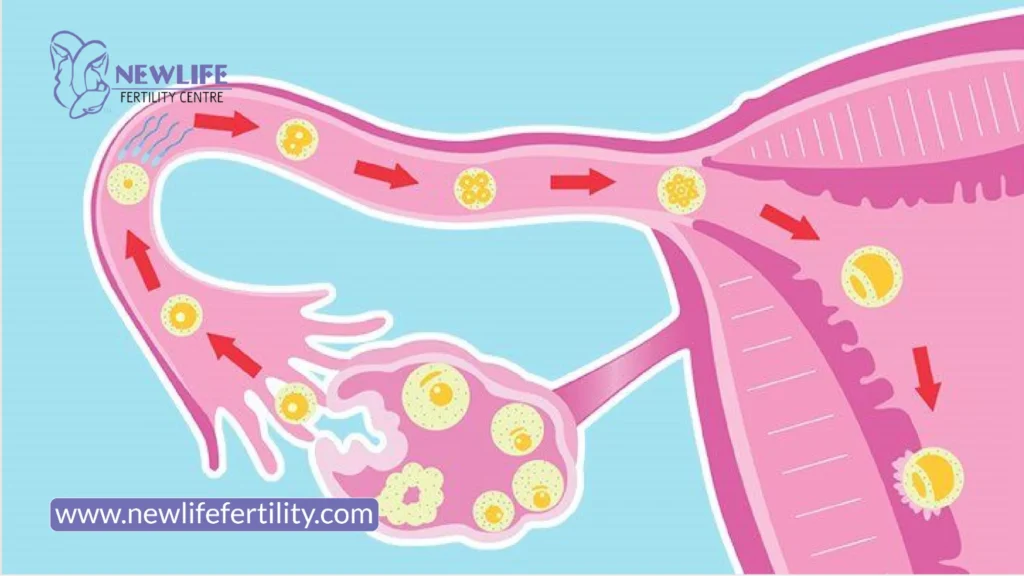
Often, Estrace is prescribed along with progesterone during IVF. While this combination supports implantation, some patients experience additional side effects such as bloating, mood swings, fatigue, or headaches. If you are using both, always monitor for unusual changes and report them to your fertility specialist.
Your next step: IVF care beyond Estrace side effects
Estrace is one of the most commonly prescribed in vitro fertilization medications, and while its side effects, such as bloating, breast tenderness, or mood changes, can feel uncomfortable, they are usually temporary and manageable.
As with other in vitro fertilization medications, its role is vital in preparing your body for embryo transfer and increasing the chances of success during IVF treatment. Understanding what to expect from in vitro fertilization medications like Estrace empowers you to navigate your fertility journey with confidence.
At NewLife Fertility Centre, our expert team specializes in tailoring IVF protocols, including the safe use of in vitro fertilization medications, to your unique needs. We combine compassionate care with advanced technology to ensure you feel supported every step of the way. Whether you’re starting your first cycle or exploring other fertility options, our personalized approach helps you move closer to the family you’ve always dreamed of.
With advanced care and support, NewLife Fertility Centre guides you through every step of In Vitro Fertilization (IVF).
Your dream of parenthood starts here. Book your free consultation with NewLife Fertility Centre today and let us guide you with the expertise, care, and hope you deserve.