Yes, your pregnancy test is positive.
Those words carry a wave of joy that’s hard to describe. The moment a woman hears it, her heart skips a beat, her eyes well up, and it feels as if tiny bubbles of happiness are bursting inside her. Instantly, her mind races ahead, dreaming, planning, and imagining the life growing within. It’s magical, isn’t it?
Becoming a mother is a transformative journey filled with emotions and hope. For many, this path begins naturally. But for others, it takes a little help from medical science, and that’s perfectly okay.
Thanks to modern medical advancements, the dream of parenthood is now more accessible than ever. Treatments like IUI (intrauterine insemination), IVF (in vitro fertilization), ovulation induction, and fertility preservation have empowered countless women to embrace motherhood on their timeline.
In this blog, let’s focus on one key aspect of the IUI journey: progesterone after IUI.
Understanding the role of this crucial hormone can make a real difference in how you navigate your post-IUI phase, emotionally and physically.
Whether you’re just starting or already in your two-week wait, this guide will give you clarity on why progesterone matters, how it supports your body, and what to expect after your IUI procedure.
What is IUI?
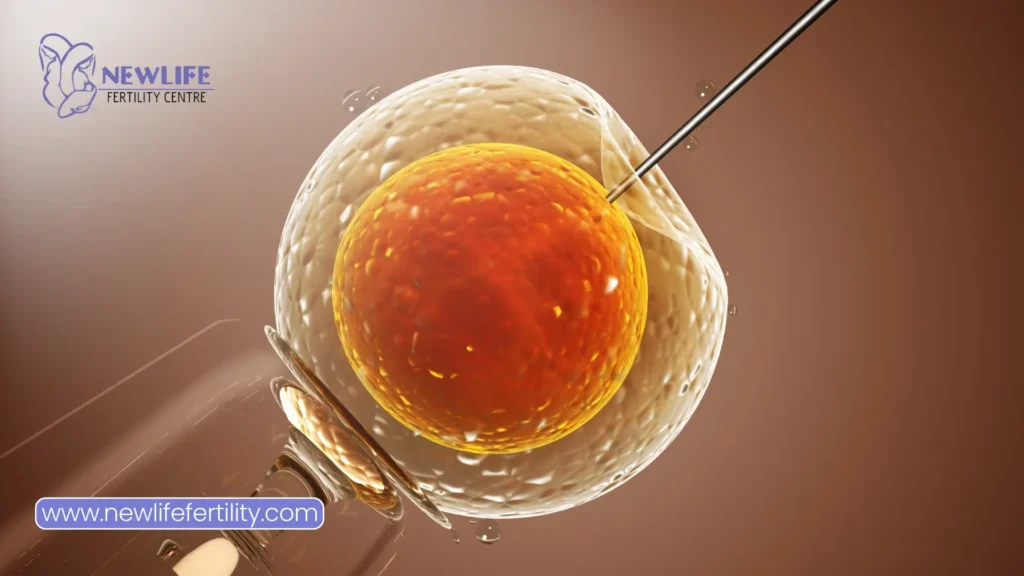
Intrauterine insemination (IUI) is a widely used fertility treatment where specially prepared sperm is placed directly into the uterus during ovulation.
This method increases the likelihood of fertilization by helping sperm get closer to the egg, bypassing some natural barriers. IUI is often recommended for couples with unexplained infertility, mild male factor infertility, or cervical mucus issues. It’s also commonly used by single individuals and same-sex couples using donor sperm.
The importance of progesterone after IUI
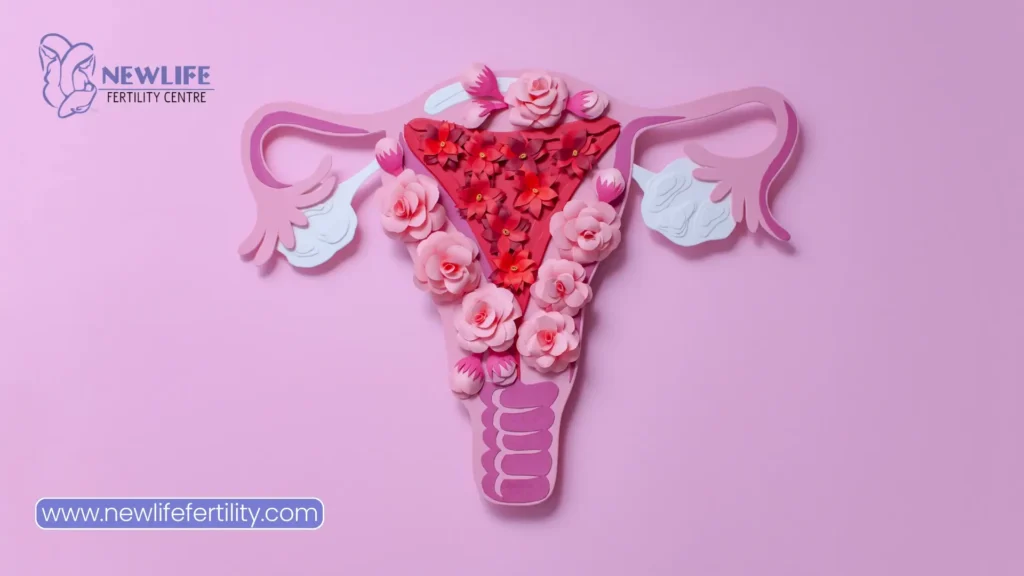
Progesterone after IUI is essential for preparing and maintaining the uterine lining, encouraging embryo implantation, and supporting early pregnancy. After intrauterine insemination, many fertility specialists prescribe progesterone supplements to stabilize hormone levels during the two-week wait. This is a common practice at fertility clinics in Canada.
Without enough progesterone, the endometrium (uterine lining) may not be able to support a fertilized egg, reducing the chances of a successful pregnancy. Understanding the importance of progesterone after IUI can help you feel more in control and supported during your fertility journey.
Natural ways progesterone supports your body

Progesterone is a crucial reproductive hormone that works with your body’s natural cycle to help create an ideal environment for conception and pregnancy. It:
- Thickens the uterine lining so a fertilized egg can implant and grow
- Regulates the menstrual cycle and prevents heavy bleeding
- Stabilizes mood and supports thyroid function during early pregnancy
That’s why progesterone after IUI is often prescribed, to reinforce these natural processes when conception is most likely.
Progesterone’s role in menstruation

During a typical menstrual cycle, progesterone rises after ovulation to support the endometrium. If fertilization doesn’t occur, progesterone levels drop, triggering the start of your period.
However, if conception happens, progesterone stays elevated to maintain the uterine lining and prevent further ovulation. Supplementing with progesterone after IUI mimics this natural increase, giving your body the hormonal support it needs during the early stages of pregnancy.
Effects of low progesterone on the body

Hormones work together in balance, and low progesterone can disrupt that harmony. Since it’s closely linked with estrogen, a drop in progesterone may lead to estrogen dominance.
An imbalance in progesterone levels can lead to a variety of symptoms, including:
- Unexplained weight gain
- Mood changes or depression
- Heavy or irregular menstrual bleeding
- Low libido
- Gallbladder issues
Impact of low progesterone on pregnancy

A strong uterine lining is essential for implantation, and progesterone after IUI helps create that supportive environment. When progesterone is low, the uterine lining may be too thin for a fertilized egg to attach and grow.
Insufficient progesterone after IUI increases the risk of miscarriage, ectopic pregnancy, or early labor. Keeping progesterone levels steady is vital for sustaining a healthy pregnancy in the early weeks.
Signs of low progesterone

Low progesterone can affect both your menstrual health and fertility, especially during or after IUI treatment.
In women (not pregnant):
- Irregular menstrual cycles
- Headaches
- Mood changes, anxiety, or depression
- Trouble sleeping
- Hot flashes
- Bloating or weight gain
- Difficulty conceiving
In pregnant women:
- Spotting or light bleeding
- Breast tenderness
- Low blood sugar
- Fatigue
- Risk of miscarriage
Recognizing these symptoms can help you and your doctor manage progesterone after IUI more effectively.
Main causes of low progesterone
Several lifestyle, hormonal, or medical factors can cause low progesterone, which may affect your chances of conception.
- Anovulation: When no egg is released during a cycle, progesterone levels drop.
- PCOS (polycystic ovary syndrome): Disrupts ovulation and hormone balance.
- High stress: Raises cortisol, which interferes with progesterone production.
- Hypothyroidism: An underactive thyroid impacts overall hormone levels.
- Hyperprolactinemia: High prolactin can suppress other reproductive hormones.
- Low cholesterol: Cholesterol is needed to make hormones like progesterone.
- Perimenopause: Hormone levels naturally begin to decline.
- Over-exercising or extreme dieting: Depletes nutrients and stresses your body.
If you’re undergoing fertility treatment, managing these issues can help support healthy progesterone after IUI levels.
Effects of low progesterone in men

Men also need balanced progesterone, even in smaller amounts, to support hormonal health.
- Mood swings, anxiety, or depression
- Low libido or reduced sex drive
- Erectile dysfunction
- Fatigue or poor concentration
- Decrease in muscle mass
Although the focus of progesterone after IUI is usually on women, hormone balance in men also plays a vital role in fertility outcomes.
Effects of elevated progesterone levels

During pregnancy, it’s normal for progesterone levels to rise significantly, and in most cases, this doesn’t lead to any harmful health effects. In fact, progesterone’s natural ability to prevent ovulation is the reason it’s a key ingredient in many birth control pills.
In the context of progesterone after IUI, higher levels are expected and often desired, as they help sustain the uterine lining and support early pregnancy development.
Risks and side effects of progesterone supplements
While progesterone after IUI plays a vital role in supporting early pregnancy, it can come with certain side effects depending on how it’s taken.
Breast tenderness
Just like in early pregnancy, progesterone after IUI can make your breasts feel sore or swollen. This happens because progesterone stimulates the mammary glands in preparation for breastfeeding.
Digestive issues
Some people experience gastrointestinal symptoms such as nausea, bloating, constipation, or even vomiting. These are more common when progesterone levels are high or taken in oral form.
Mood and mental changes
Because progesterone can interact with receptors in the brain, it may cause mood swings, headaches, tiredness, or a sedative effect. These symptoms are usually temporary but can vary from person to person.
Skin reactions from injections
When progesterone after IUI is given via intramuscular injection, skin irritation like redness, bumps, or rashes at the injection site is common. Injections in the buttocks can also be painful due to the long needle required.
Vaginal leakage or discharge
Suppositories or vaginal gels may cause leakage, which can feel uncomfortable or messy. Frequent cleaning or wearing a liner may help manage this side effect during the progesterone after IUI phase.
Timing for stopping progesterone after IUI

Many women are prescribed progesterone after IUI to support implantation and the early stages of pregnancy. But knowing exactly when to stop can be confusing, especially when you’re waiting for pregnancy results.
If you get a positive pregnancy test, most doctors recommend continuing progesterone after IUI for at least 8 to 10 weeks, until the placenta takes over hormone production. Stopping too early could risk losing the pregnancy if your body isn’t making enough progesterone on its own.
If your pregnancy test is negative, your doctor will usually advise you to stop taking progesterone, as there’s no fertilized egg to support. However, always follow your fertility specialist’s guidance they may recommend a follow-up test or additional monitoring.
Understanding when and why to stop progesterone after IUI helps reduce anxiety and ensures you’re supporting your body in the best way possible during this sensitive time.
Side effects of progesterone during IUI

Progesterone is commonly prescribed after intrauterine insemination (IUI) to support implantation and early pregnancy. While it’s essential for building a strong uterine lining and maintaining hormonal balance, progesterone during IUI can cause a range of side effects. These vary depending on the method of delivery, oral, vaginal, or intramuscular injection.
Breast tenderness or swelling
Progesterone signals your body to prepare for pregnancy, and part of that includes changes in breast tissue. The mammary glands begin to grow, often causing soreness or swelling, similar to early pregnancy symptoms.
Bloating and digestive discomfort
Some individuals experience nausea, constipation, or a bloated feeling while taking progesterone. These symptoms occur because the hormone relaxes the smooth muscles in your digestive system, slowing down bowel movements and increasing discomfort.
Fatigue, mood shifts, and daytime sleepiness
Progesterone can bind to receptors in the brain that influence mood and alertness. This may lead to feelings of fatigue, emotional changes, irritability, or a general sense of sleepiness, even during the day.
Mild cramping or headaches
Hormonal fluctuations can trigger mild pelvic cramping or headaches. These effects often resemble PMS or early pregnancy symptoms and are typically short-lived.
Vaginal discharge or leakage
If you’re using vaginal progesterone (like gels or suppositories), you may notice some discharge or leakage. This is completely normal, though it may feel messy and require panty liners or more frequent changes.
Injection site reactions
For those receiving intramuscular progesterone, side effects can include redness, swelling, soreness, or bruising at the injection site. Injections are typically given in the buttocks with a long needle, which can cause lingering discomfort in the muscle.
Can stopping progesterone cause miscarriage?
Yes, stopping progesterone during IUI or early pregnancy too soon can increase the risk of miscarriage, especially before the placenta takes over hormone production (usually between 10 and 12 weeks). Always follow your fertility specialist’s instructions before making any changes to your medication.
How progesterone works in your body during fertility and pregnancy

Progesterone is a powerful hormone that plays a central role in preparing your body for pregnancy, especially after ovulation and progesterone after IUI treatment. It’s mainly produced in the corpus luteum (a cluster of cells that forms after an egg is released), and also by the adrenal glands and, later, the placenta during pregnancy.
Let’s break down its function stage by stage:
Progesterone works differently at each stage of your reproductive cycle, from preparing the uterus after ovulation to supporting early pregnancy. Understanding these changes is key to knowing why progesterone after IUI is often prescribed for better implantation and pregnancy outcomes.
Role of progesterone during your menstrual cycle
Each month, your body prepares for a potential pregnancy. After ovulation, levels of progesterone begin to rise. This is the time when progesterone after IUI may be prescribed to help support implantation. Progesterone does the following:
- Helps thicken and mature the uterine lining
- Encourages growth of tiny blood vessels in the uterus
- Makes the uterus more receptive to a fertilized egg
If the egg isn’t fertilized, the corpus luteum dissolves, progesterone levels fall, and the uterine lining is shed, leading to your menstrual period.
Function of progesterone during early pregnancy

If pregnancy occurs, the corpus luteum keeps producing progesterone for the first several weeks. That’s why many doctors continue progesterone after IUI until the placenta is ready to take over (around 10 to 12 weeks). During this time, progesterone:
- Nourishes and maintains the uterine lining
- Enhances blood flow to support the growing embryo
- Stops your body from ovulating again
- Keeps the uterus calm to avoid early contractions
Later in pregnancy, the placenta produces large amounts of progesterone, and the hormone also prepares your breasts for future milk production.
Understanding normal progesterone levels after IUI

When undergoing fertility treatment, understanding progesterone after IUI is essential. This hormone supports implantation and early pregnancy, and your doctor may monitor its levels to ensure your body is responding well after the procedure.
Progesterone levels are measured in nanograms per milliliter (ng/mL) and can vary depending on the cycle phase or pregnancy stage. Here’s a general reference chart:
| Cycle or pregnancy stage | Typical progesterone level (ng/mL) |
| Before ovulation (follicular phase) | Less than 0.7 |
| After ovulation / post-IUI (luteal phase) | 2 to 25 |
| First trimester of pregnancy | 10 to 44 |
| Second trimester | 19.5 to 82.5 |
| Third trimester | 65 to 290 |
If you’re taking progesterone after IUI, levels in the luteal phase should ideally stay above 10 ng/mL to support implantation and reduce the risk of early pregnancy loss.
Always speak with your fertility specialist to interpret your specific hormone levels and make personalized adjustments to your treatment plan.
Progesterone after IUI – the final piece of the puzzle
Understanding the role of progesterone after IUI can help you feel more confident during the two-week wait and beyond. This essential hormone supports implantation, stabilizes the uterine lining, and promotes a healthy early pregnancy, giving your fertility treatment the best chance for success. At NewLife Fertility Centre, we specialize in personalized IUI care that includes hormone support tailored to your unique needs. With expert monitoring and compassionate guidance, we’re here to walk this journey with you, every step of the way.
Book your free consultation today and let NewLife Fertility help you move forward with confidence.
For more information, contact NewLife Fertility Centre via hello@newlifefertility.com, call +1 905-896-7100.