“What if I miss something important?”
“What if I do everything right… and it still doesn’t work?”
“Is there anything more I should be doing right now?”
If you’re preparing for a frozen embryo transfer, these thoughts don’t just come and go… they stay.
You’ve already been through so much.
The injections. The waiting. The hope. The crushing disappointment.
And now you’re here again, trying to do everything right… while your mind keeps racing.
That feeling of “what if I leave something undone?”
That’s the heaviest part of this journey.
And I want to be honest with you.
Some parts of a frozen embryo transfer are completely out of your control.
Embryo quality. Cellular biology. How the body responds.
But here’s what is true.
There are real, practical things you can do before and after your transfer that can genuinely support your chances.
Not magic. Not myths. Not overwhelming advice.
Just simple, clear steps that actually make sense.
That’s what this guide is here for.
Let’s walk through it together.
What actually affects frozen embryo transfer success?
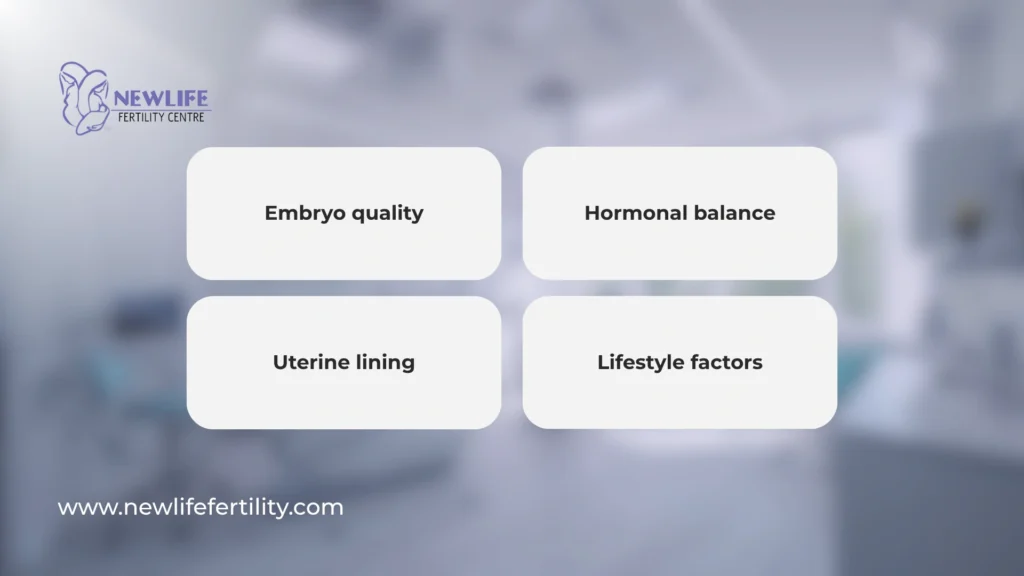
Before we get into the tips, let’s take a moment to understand what’s actually at play.
A frozen embryo transfer isn’t just one thing. It’s a combination of a few key factors working together.
Embryo quality: This is about the health of the embryo itself, determined before the transfer.
Uterine lining: Its thickness and how receptive it is at the time of transfer.
Hormonal balance: Whether your estrogen and progesterone levels are where they need to be.
Lifestyle factors: The everyday things that are in your control.
Now here’s the important part.
The first three are largely handled by your medical team.
They’re monitoring, adjusting, and guiding you through those pieces.
But lifestyle factors? That’s your space.
And while they may seem small, they can play a meaningful role in supporting implantation and overall success.
So instead of stressing over everything…
Let’s focus on what you can control, step by step.
Before vs. after transfer: Two phases, two mindsets

It helps to think of your frozen embryo transfer journey in two simple phases.
Before the transfer
This is your preparation phase.
Your focus here is to create the most supportive, welcoming environment possible for the embryo.
After the transfer
This is your protection phase.
Now it’s about staying consistent, keeping things calm, and giving the embryo the best chance to implant.
Both phases matter more than most people realize.
A lot of people only start being extra careful after the transfer…
But what you do before is just as important.
So instead of guessing or overthinking…
Let’s walk through the 9 tips that can actually make a real difference.
9 frozen embryo transfer success tips that can make your FET successful
These aren’t overwhelming changes or complicated routines.
Just simple, practical things you can focus on to genuinely support your chances.
Let’s go step by step.
Tip 1: Prepare your uterine lining for better implantation

Your uterine lining is essentially the embryo’s first home.
And for implantation to happen smoothly, this environment needs to be just right.
Ideally, your lining should be around 7 to 8 mm thick with a trilaminar pattern, something your doctor will monitor through ultrasound.
So how do you support this?
Start with the most important thing: your medication protocol.
Estrogen supplements, whether patches, pills, or injections, are prescribed specifically to help build your lining.
Even small inconsistencies, like skipping a dose or taking it at the wrong time, can impact how your lining develops.
This is not the stage to experiment.
- Don’t self adjust
- Don’t guess
- Don’t rely on random advice online
Your protocol is designed for your body and your cycle.
Stick to it.
Trust it.
And trust the team guiding you through this.
Tip 2: Focus on anti-inflammatory nutrition to support implantation
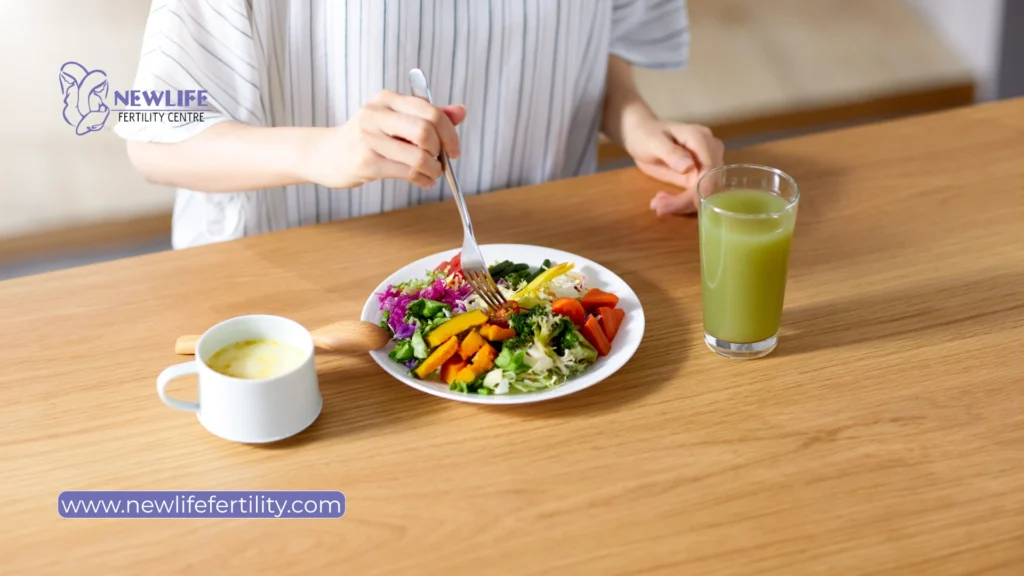
You don’t need a complicated fertility diet.
You need food that works with your body, not against it.
Focus on warm, nourishing, anti-inflammatory foods.
Think leafy greens, fatty fish, nuts, seeds, berries, olive oil, and whole grains.
These foods support healthy blood flow and help reduce inflammation in the body, both of which play a role in implantation.
Now, what’s worth reducing?
- Processed foods
- Refined sugar
- Alcohol
- Deep fried or ultra processed meals
That said, let’s address the question that almost everyone has.
Do you need to be perfect?
No.
Extreme restriction or crash dieting right before your transfer can do more harm than good.
If you stress your body with food deprivation, you’re adding pressure, not support.
Instead, keep it simple.
Eat real and fresh food.
Eat warm, balanced meals.
And focus on consistency over perfection.
Tip 3: Take your medications exactly as prescribed

This might sound obvious.
But it’s also where many people slip.
Not because you’re careless.
Just because life happens. You forget, you’re traveling, or the schedule gets confusing.
Here’s why this matters so much.
The timing and consistency of your progesterone and estrogen medications directly affect your uterine environment.
Miss a dose, and your lining may not be properly supported.
Take it at the wrong time, and your hormone levels can shift in ways that affect your transfer window.
These small details matter more than they seem.
So make this as easy on yourself as possible.
- Set phone alarms
- Use a pill organizer
- Ask your partner to remind you
Whatever works for your routine.
The goal is simple.
Make this one thing completely non-negotiable.
Tip 4: Manage stress without overcomplicating it

Yes, stress can affect implantation.
Higher cortisol levels may interfere with how progesterone works and can impact blood flow to the uterus.
But here’s the part that often gets missed.
Telling yourself “I need to stay positive all the time” can actually create more stress.
The goal isn’t forced positivity.
It’s giving your body a chance to feel a little calmer.
So what actually helps?
- Slow, 15 to 20 minute walks outside
- Simple breathing exercises like box breathing
- A consistent sleep and bedtime routine
- Doing one small thing each day that makes you feel like yourself, not just a patient
You don’t need to meditate for an hour.
You don’t need to completely change your lifestyle.
You just need small, regular moments where your nervous system can slow down.
And that’s enough.
Tip 5: Prioritize rest without going on complete bed rest

Let’s clear this up early.
Complete bed rest after a frozen embryo transfer does not improve success rates.
In fact, staying in bed all day can reduce blood circulation and increase anxiety, both of which can work against you.
What your body actually needs is balanced rest.
- Aim for 7 to 9 hours of sleep
- Avoid overexertion
- Listen when your body feels tired
At the same time, gentle movement is a good thing.
- Get up and move around the house
- Take slow, relaxed walks
- Continue your daily routine at a softer pace
And if this thought has crossed your mind, you’re not alone.
The embryo is securely placed inside your uterus.
Simple movements like standing, walking, or sitting will not affect it.
So instead of strict bed rest, think of this phase as resting wisely, not restricting yourself completely.
Tip 6: Avoid intense physical activity around your transfer
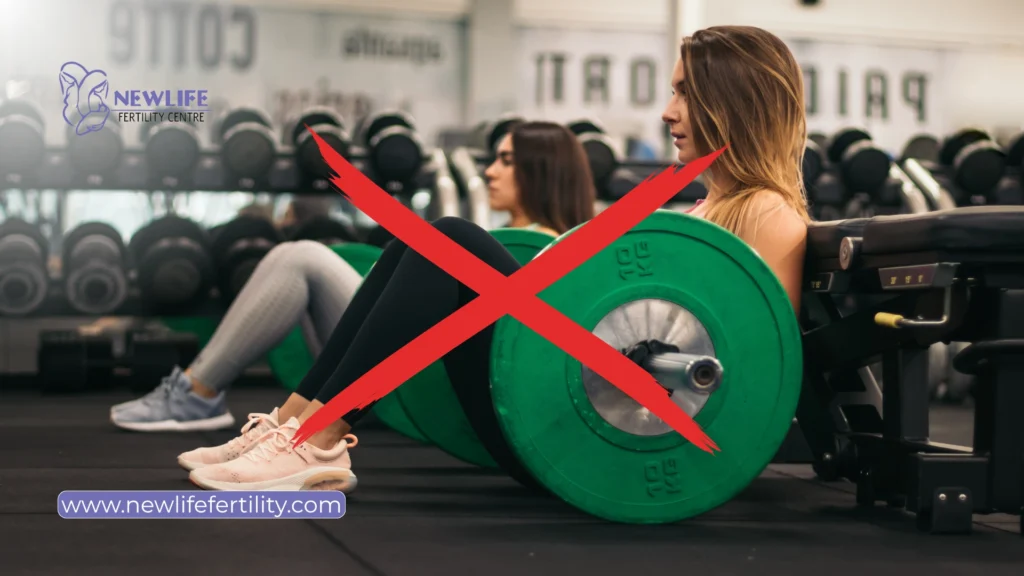
Gentle movement can help.
But intense exercise is a different story.
For now, it’s best to skip things like high intensity workouts, heavy lifting, running, or anything that significantly raises your heart rate, especially in the 1 to 2 weeks before and after your transfer.
Here’s why this matters.
High intensity exercise can increase cortisol levels, reduce blood flow to the uterus, and put extra physical stress on your body at a time when it needs to stay as balanced as possible.
So what actually counts as intense?
Anything that leaves you breathless, sweating heavily, or with your heart pounding.
Instead, keep things simple and supportive.
- Gentle yoga
- Light stretching
- Slow, relaxed walks
This isn’t about stopping movement completely.
It’s about choosing the kind of movement that helps your body feel safe, not stressed.
Tip 7: Keep your blood flow healthy and consistent
Here’s something that doesn’t get talked about enough.
Healthy blood flow to the uterus can play a role in supporting implantation.
And one of the biggest things that affects this? Sitting still for long periods.
If you’re working at a desk or spending a lot of time sitting, try to gently break that pattern.
- Set a reminder every 45 to 60 minutes
- Stand up, stretch, or walk around for a few minutes
- Keep your body lightly moving throughout the day
Even small movements can help support circulation.
You can also use gentle warmth, like a warm compress on your lower abdomen, to promote blood flow.
Just be mindful of extremes.
Avoid hot tubs, saunas, or anything that raises your core body temperature too much during this time.
The goal isn’t to do more.
It’s to stay consistent with small, supportive habits.
Because when it comes to circulation, those small, regular movements matter more than one long walk once a day.
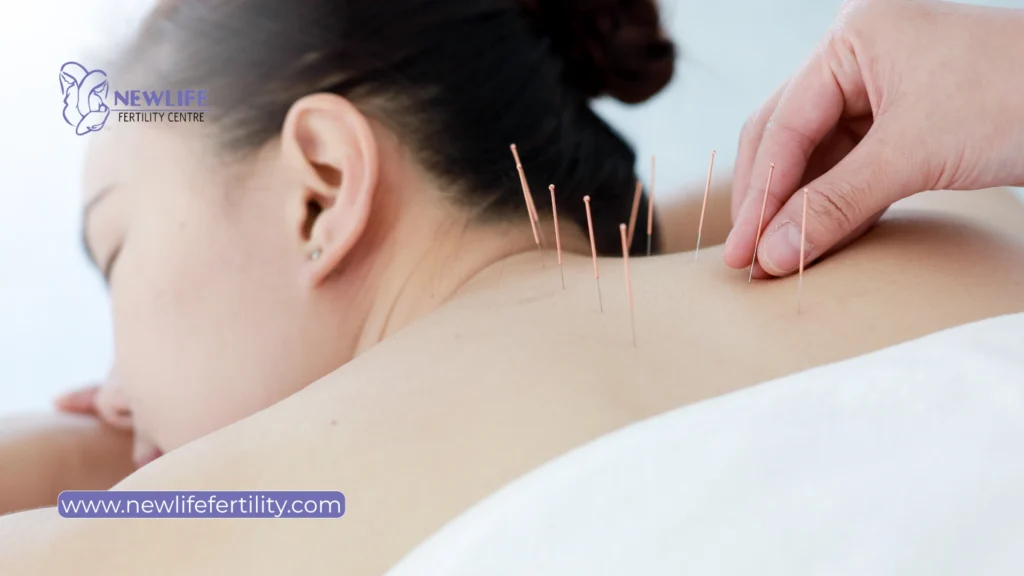
Tip 8: Consider acupuncture before and after your transfer

This is one of the most common questions.
“Does acupuncture actually help, or is it just something extra to try?”
Let me share an honest answer.
The research is promising, but not definitive.
Some studies suggest acupuncture may help improve blood flow to the uterus, support hormonal balance, and create a more receptive environment for implantation.
It’s not a guarantee.
But the evidence is strong enough that many fertility clinics in Canada do recommend it.
And when done by a qualified practitioner, it’s generally safe and low risk.
So how should you approach it?
Before the transfer
Starting a few weeks before your transfer, ideally around 4 to 6 weeks, may help support your uterine lining and overall preparation.
Many people also choose to have a session 1 to 2 days before the transfer.
After the transfer
One of the most talked about windows is within 24 hours after the transfer, sometimes even on the same day.
This is where some studies suggest potential benefits.
It can also help you feel more relaxed during the two week wait, which, in itself, can make this phase a little easier to get through.
What to look for in a practitioner
Not all acupuncturists specialize in fertility.
Look for someone who has experience working with IVF or frozen embryo transfer protocols.
You can also ask your clinic for recommendations, since many fertility clinics work closely with trusted practitioners.
The bottom line is.
It won’t guarantee success.
But it may support your body, and it often helps you feel calmer and more grounded.
And during this process, that kind of support really matters.
Tip 9: Stay mindful and supported during the two week wait

The two week wait can feel like the hardest part of this entire process.
You’re in between.
Waiting, overthinking, noticing every small change in your body.
And it’s completely normal if your mind starts racing.
Here’s what can actually help you get through this phase a little more gently.
Avoid testing too early
I know it’s tempting, but testing before 10 to 12 days after your transfer can lead to confusion.
You might see a false negative.
Or a faint positive that doesn’t progress, which can be emotionally overwhelming.
If you can, wait for your blood test. It gives you a clearer answer.
Step away from symptom rabbit holes
Cramping, spotting, bloating, sore breasts… these can all be side effects of progesterone.
They don’t reliably tell you whether implantation has happened.
Late night Googling will only increase anxiety, not clarity.
Create a small daily anchor
Give your mind something steady to come back to each day.
- A show you’re enjoying
- A book you look forward to
- A short walk
- Cooking something comforting
Something simple that isn’t centered around the transfer.
Let yourself be supported
You don’t have to go through this alone.
One or two people who understand what you’re going through, and who don’t add pressure, can make this wait feel a little less heavy.
What to do after frozen embryo transfer
Along with everything we’ve covered so far, this is where consistency really matters.
You don’t need to do anything extreme.
You just need to support your body with simple, steady habits.
Here’s what that looks like in practice:
- Continue all medications exactly as prescribed, without skipping or adjusting.
- Eat balanced, anti-inflammatory meals that feel warm and nourishing.
- Stay hydrated, aiming for around 8 to 10 glasses of water daily.
- Avoid heat exposure like saunas, hot baths, or hot tubs.
- Keep your daily routine gentle and predictable.
- Get 6 to 9 hours of sleep each night.
- Avoid alcohol and smoking completely.
Nothing complicated. Nothing overwhelming.
Just small things, done consistently.
Because in this phase, that consistency is what truly supports your body.
What not to do after frozen embryo transfer
Just as important as what you should do… is what you should avoid.
Not to scare you, but to help you stay clear and confident during this phase.
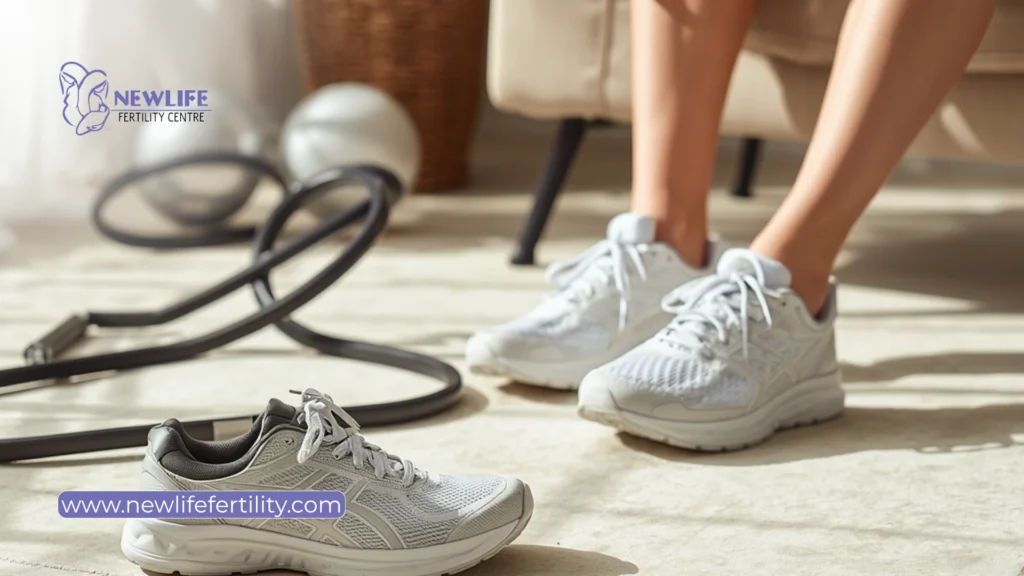
- Avoid heavy workouts or intense exercise that puts strain on your body.
- Avoid alcohol and smoking, as both can interfere with implantation and early development.
- Avoid self medicating. Don’t add supplements, herbs, or over the counter medications without checking with your doctor first.
- Try not to track or analyse every small symptom. Implantation symptoms and progesterone side effects can feel very similar, so this often leads to more confusion than clarity.
- Avoid completely isolating yourself. Taking space is okay, but cutting off all support can make the two week wait feel heavier.
This isn’t about being perfect or overly strict.
It’s about removing what might add unnecessary stress or risk, and keeping things as simple and supportive as possible.
Common questions about frozen embryo transfer success

How can I increase chances of implantation after frozen embryo transfer?
Focus on what you can control. This includes taking your medications correctly, eating anti-inflammatory and nourishing foods, staying gently active, managing stress, and getting good sleep. You can also consider acupuncture as an additional support. At the same time, avoid intense exercise and excessive heat exposure.
Does bed rest help after FET?
No. This is one of the most common myths in IVF. Complete bed rest has not been shown to improve outcomes. In fact, gentle and normal activity is better for circulation and overall emotional well-being.
Can stress affect implantation?
Yes, it can. Ongoing stress can raise cortisol levels, which may affect how progesterone works and reduce blood flow to the uterus. Managing stress, even in small and imperfect ways, is an important part of supporting your body during this phase.
Is acupuncture really effective for FET?
Research suggests it may help, especially with improving blood flow and supporting stress regulation. It is not a guarantee, but it is a low risk option that many people find helpful, particularly when done by someone experienced in fertility care.
How can you improve your frozen embryo transfer success with the right support
You’ve already taken a powerful step by understanding what truly supports frozen embryo transfer success
This journey isn’t about doing everything perfectly.
It’s about staying consistent, informed, and supported in the moments that matter.
And you don’t have to figure this out alone.
At NewLife Fertility, we work closely with you to create a plan that fits your body, your history, and your specific transfer protocol, so you feel clear and confident at every step.
If you’re preparing for your transfer and want guidance that goes beyond general advice, our team is here for you.
👉 Book a free consultation with NewLife Fertility and take the next step with the right support beside you. 💛