So you are thinking about reversing your tubal ligation.
That thought often comes with mixed emotions. Hope. Uncertainty. Sometimes even guilt about changing your mind. But life changes. Circumstances shift. And what felt right years ago may not feel right today.
Here is the good news. Yes, tubal ligation can be reversed in many cases.
But it is not automatic. Whether reversal works depends on how your tubes were tied, how much healthy tube remains, your age, and your overall reproductive health.
In this guide, we will explain what tubal reversal really means, who it works best for, what success rates look like, and how to know if it is a realistic option for you.
Can tubal ligation be reversed? Is getting your tubes tied reversible?

Yes. In the majority of cases, tubal ligation can be reversed.
When people ask, “can tubal ligation be reversed” or “is getting your tubes tied reversible,” they are really asking if fertility can be restored.
In many cases, it can.
That said, reversal does not mean your tubes are literally untied. Instead, a surgeon reconnects the healthy portions of your fallopian tubes that were blocked or cut during sterilization.
This procedure is called tubal ligation reversal surgery, also known as tubal reanastomosis.
It is also important to understand how tubal reversal works from a practical and financial standpoint in Canada.
Tubal ligation reversal is not covered by OHIP and is considered an elective fertility procedure. The tube tied cost is typically slightly under $10,000.
The surgery itself usually takes a few hours to complete. A consultation fee is charged before the procedure, during which Dr. Soliman evaluates whether reversal is a realistic option for you. If you move forward, Dr. Soliman performs the surgery in a private operating room using advanced microsurgical techniques.
Knowing these details early helps you make an informed decision and plan your next steps with clarity.
Reversal is possible for many women. Success depends on individual factors, which we will walk through next.
What does getting your tubes tied actually mean?

Before discussing reversal, it helps to understand what was done during your original procedure.
When your tubes were tied, one of several methods was used to block your fallopian tubes and prevent pregnancy. The method used plays a major role in whether reversal is possible.
Common methods include:
Tubal ligation or clips
The tubes were cut and tied, or clips or rings were placed. This is one of the most reversible methods.
Tubal burning (cauterization)
Heat was used to seal part of the tube. This causes more tissue damage and lowers reversal success, but reversal may still be possible in some cases.
Hysteroscopic sterilization
Devices placed inside the tubes caused scarring and blockage. Reversal is less common with this method.
Partial tube removal
A section of the tube was removed entirely. This makes reversal more difficult due to limited healthy tissue.
You may also hear the terms tubectomy or tubal sterilization. These are different names for the same procedure, commonly used in South Asian and international medical settings.
If you are unsure which method was used, your surgical records can provide clarity. A fertility specialist can also help interpret them.
Can getting your tubes tied be reversed in all cases?

No. Tubal reversal is not possible in every situation.
Some women do not have enough healthy tubes left to reconnect. Others may have factors that reduce the likelihood of pregnancy even after a successful surgery.
Reversal may not be recommended if:
- Most of the tube was burned or removed
- Extensive scar tissue is present
- Both tubes are severely damaged
- You are in a much later reproductive age range
- There are untreated fertility issues in you or your partner
This does not mean parenthood is off the table. It simply means the best option needs to be identified early.
In Canada, tubal reversal is considered an elective fertility procedure. That is why a proper fertility screening and test is essential before moving forward.
What affects whether tubal reversal will work for you?

Not all reversals have the same chance of success. These factors matter most:
Type of sterilization used
Clips and ligation are more reversible than cauterization or removal.
Length of healthy tube remaining
More healthy tube increases the chance of successful reconnection and pregnancy.
Your age
Women under 35 have the highest pregnancy rates after reversal. Rates gradually decline with age due to natural egg aging.
Time since sterilization
Procedures done 5 to 15 years ago often have better outcomes than very recent or very old ones.
Overall reproductive health
Conditions like endometriosis, fibroids, or ovarian issues can affect fertility even after reversal.
Partner fertility
If your partner has sperm-related fertility issues, reversal alone may not be enough.
These factors do not determine your outcome on their own. They help guide realistic expectations.
Can you get your tubes untied? What reversal really means
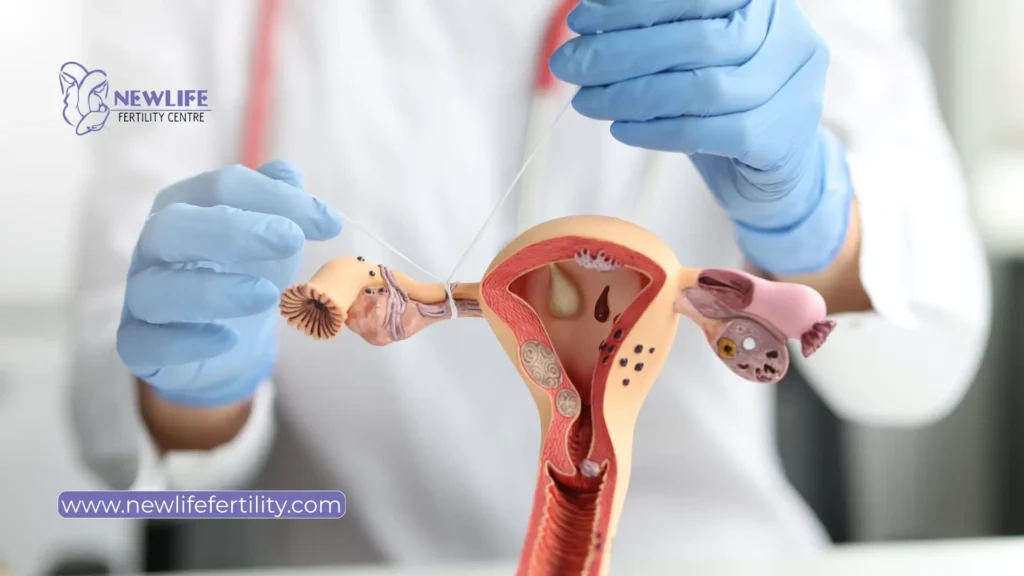
Many people ask if tubes can simply be untied.
The short answer is no.
Your tubes are not knotted in a way that can be loosened. Over time, scar tissue forms around the tied or blocked area, and the tube heals in that position.
Reversal surgery involves carefully removing scarred tissue and reconnecting healthy segments of the tube. This is reconstructive microsurgery, not untying.
The goal is to restore a clear passage for the egg to travel so natural pregnancy becomes possible again.
How is tubal ligation reversal surgery done?

Tubal reversal is typically performed using minimally invasive techniques.
The surgeon makes small incisions in the abdomen and uses a camera to clearly visualize the fallopian tubes. Using microsurgical instruments, the damaged section is removed and the healthy ends are carefully reconnected.
This requires millimeter-level precision.
Most procedures are done on an outpatient basis. You go home the same day and recovery is usually quick.
Most women return to light activity within a week and normal activity within two to three weeks.
Your doctor will usually recommend waiting one full menstrual cycle before trying to conceive.
What are the pregnancy success rates after tubal reversal?

This is the most important question for many women.
Overall pregnancy rates after tubal reversal range from 50 to 80 percent, depending on individual factors.
General estimates:
- Under 35 years: about 70 to 80 percent
- Ages 35 to 40: about 50 to 70 percent
- Over 40: about 30 to 50 percent
These are pregnancy rates, not guaranteed live birth rates. Miscarriage risk increases with age, regardless of how conception occurs.
Success also assumes normal partner fertility.
Tubal reversal offers a real chance at natural pregnancy, but it does not come with guarantees.
Tubal reversal vs IVF: Which is better?

Tubal reversal and IVF approach fertility in different ways.
Tubal reversal restores your ability to conceive naturally. If successful, you can try for pregnancy month after month without medical intervention.
IVF bypasses the tubes completely. Eggs are fertilized in a lab and placed directly into the uterus.
Reversal may be a good choice if:
- You are under 40
- Your tubes are reversible
- You want natural conception
- You are comfortable trying over time
IVF may be better if:
- Tubes are severely damaged
- You are over 40 and want stronger odds
- There are significant male fertility issues
- You want a more controlled timeline
Some women choose reversal first and move to IVF later. Others go straight to IVF based on medical advice.
There is no single right answer. Only the right option for you.
When tubal reversal is not recommended

Reversal may not be the best choice if:
- Both tubes are extensively damaged or removed
- You are 45 or older with diminished ovarian reserve
- Your partner has severe untreated fertility issues
- There are other significant fertility conditions present
In these cases, IVF often offers a higher chance of success.
Good fertility clinics in Canada will be honest about this, even if it means recommending a different path.
Is tubal ligation reversal right for you?

Reversal may be worth exploring if:
- You are under 40
- Your tubes were tied or clipped
- You want to try for natural pregnancy
- Your cycles are regular
- Your partner is open to fertility testing
- You understand reversal is not guaranteed
If your situation is more complex, that does not mean reversal is impossible. It means you need a personalized assessment.
So, what should you do next?
If you’ve read this far, one thing is clear.
You’re not just asking whether tubal ligation can be reversed. You’re trying to understand whether it can be reversed for you.
And that’s the most important distinction.
For many women, tubal reversal opens the door to natural pregnancy again. For others, IVF or another fertility approach may offer better chances. There’s no universal answer. Only a personal one based on your medical history, age, tube health, and goals.
That’s where the right guidance makes all the difference.

At NewLife Fertility Centre, we take a thoughtful, honest approach to tubal reversal. We don’t push procedures. We look at your full picture, explain your real options, and help you choose the path that gives you the best chance of success.
Whether tubal reversal is right for you or not, you deserve clarity before making any decisions.
In case, if you’re considering tubal reversal and want clear, personalized guidance, we invite you to book a free, confidential call with our fertility specialists.
During this call, we’ll:
- Review your situation and medical history
- Help you understand if reversal is a realistic option
- Discuss alternatives like IVF if needed
- Answer your questions honestly and without pressure
There’s no commitment. Just clarity.
Book your free call today and take the next step with confidence.
Your journey is unique. Your care should be too.