Is it curiosity or a little bit of worry that leads your steps toward the journey of conception?
Well, whatever the reason may be, I promise that by the end of this blog, every question in your mind related to IUI will fly away and find its way.
This blog contains all your queries, where we will walk through everything you need to know, from what insemination really is to why many couples choose it, what to do after insemination, its success rate, and how insemination differs from IVF.
Also, by the end of this blog, I will share a real-life experience of mine, so stick around.
Let’s explore together, step by step.
What Is Insemination (IUI)?
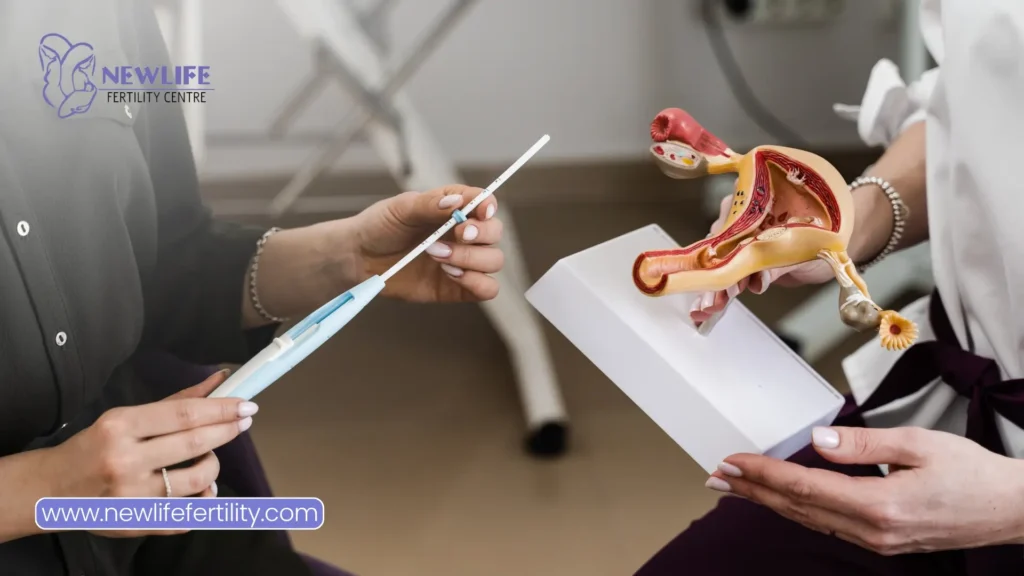
Insemination, or IUI (Intrauterine Insemination), is a simple medical procedure that helps sperm meet the egg inside a woman’s body at the right time.
It’s often used when natural conception isn’t happening easily, even when both partners are healthy.
Sometimes, timing alone becomes the biggest challenge.
That’s where insemination gives nature a gentle helping hand.
But is timing the only thing that affects your chances? Let’s find out.
Let’s find out….
Why couples choose insemination

In the journey of becoming a parent, every couple has their own story and their own reasons for choosing insemination or IUI.
Because no one dreams of needing medical help to conceive, but sometimes, this small step becomes a bridge between hope and reality.
And it’s a great saying that life is not easy for everyone. As human beings, we always value the things that come to us with some struggle, effort, or patience.
So, let’s learn what the reasons are behind choosing the IUI, or insemination.
Common reasons why couples choose insemination or IUI
Here are some of the most common reasons why couples or individuals choose IUI:
Quality of sperm
Stress, poor sleep, and today’s fast-paced lifestyle can affect sperm quality, leading to low motility or a reduced sperm count. IUI helps by directly placing healthy, prepared sperm closer to the egg, increasing the chances of fertilization.
Ovulation cycle
In many women, hormonal imbalance or stress can affect ovulation. Skipped meals, lack of rest, or overwork can disrupt the body’s natural rhythm. IUI helps time insemination precisely with ovulation, giving nature a helpful boost.
Fertility window
Sometimes, even when both partners are perfectly healthy, conception just doesn’t happen due to timing. IUI helps ensure that the sperm is present and ready exactly when the egg is released, increasing the likelihood of success.
Single or LGBTQ+ parents
For single women or LGBTQ+ couples, IUI offers a beautiful opportunity to grow a family with the help of donor sperm. It’s a safe, accessible, and empowering way to experience the joy of parenthood.
Note:
Insemination is often the first medical step before moving to advanced treatments like IVF. It’s simple, less costly, and still allows conception to happen naturally inside the body.
Now that we’ve understood the “WHY,” let’s talk about the “WHAT,” what you can do after insemination to take care of yourself and improve your chances of success.
What to do after insemination for best results
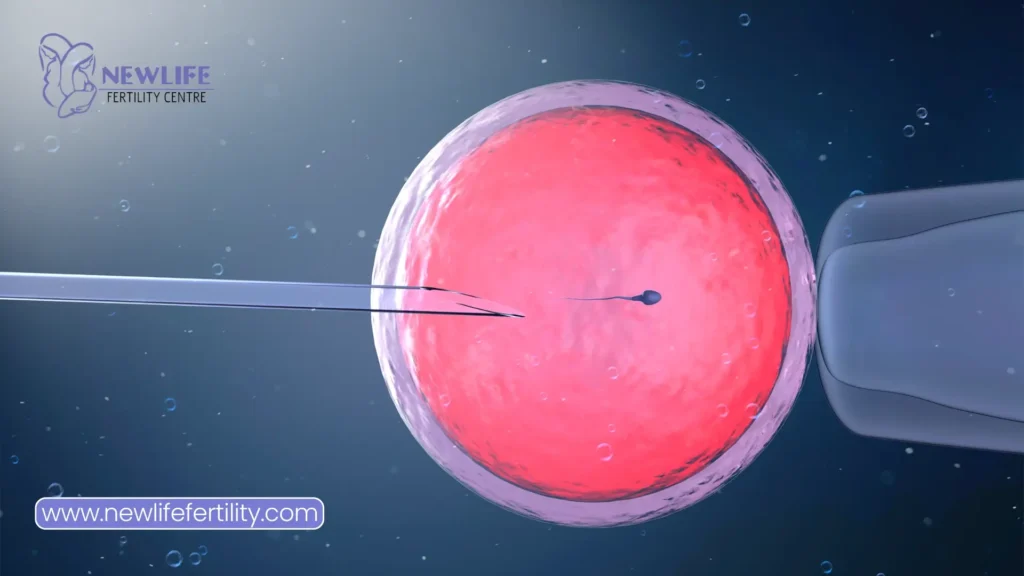
Well, after a successful intrauterine insemination, couples usually enter a weird phase of their life, that is, the waiting phase, where every female is excited, nervous, or even anxious despite taking as much rest as she can. And while waiting for the results, they used to rush for the pregnancy tests.
And being honest with you, it’s very natural to feel that during those two weeks.
And here is a quick guide that you can follow to really see those two lines in your instant pregnancy kit.
List of do’s and don’ts after insemination
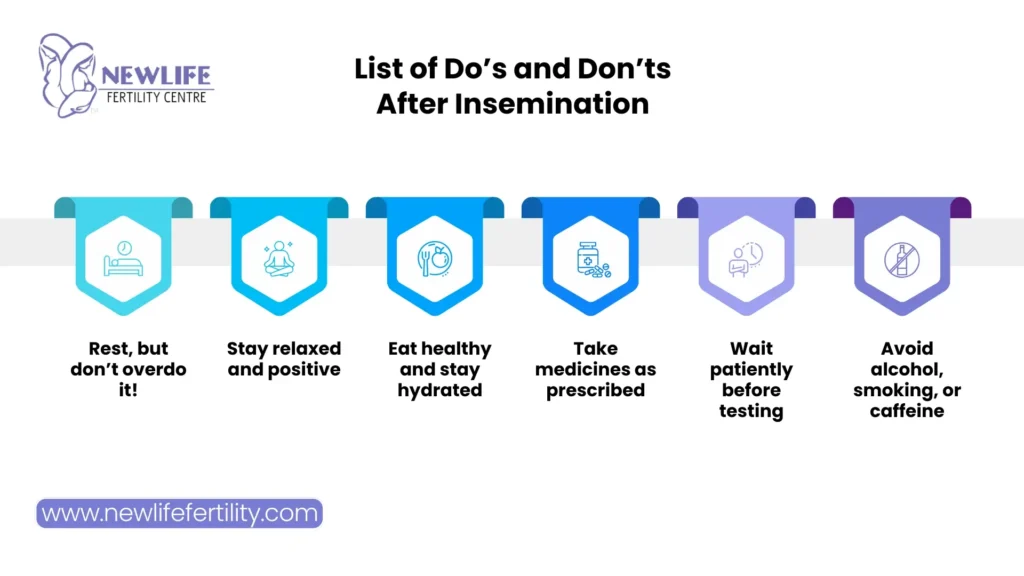
Rest, but don’t overdo it!
Keep yourself active in your daily home routine, but don’t stress a lot with your office work and meeting the deadline. Also, avoid any heavy workouts or lifting anything heavy.
Stay relaxed and positive
Do small things that make you happy, such as reading, listening to music, or spending time outdoors. Gentle yoga or meditation can also help calm your mind and support your body’s healing process.
Eat healthy and stay hydrated
Drink plenty of water and include a balanced mix of protein, complex carbs, and good fats in your meals. Add fresh fruits, green vegetables, and nuts for vitamins and minerals. A nourished body supports a healthy conception.
Take medicines as prescribed
If your fertility specialist has given you supplements or hormone support, take them on time. They play an important role in supporting your uterine lining and hormone levels after IUI.
Wait patiently before testing
Usually, the exact results of insemination come most accurately after 14–15 days, so do not rush yourself for the pregnancy, it will only spike your stress level. Just trust the process and let your body take its time.
Avoid alcohol, smoking, or caffeine
Say a big no to alcohol, smoking, and too much coffee during this phase. Because what’s the point of trying all these if you yourself can’t care for your baby?
💛 Gentle reminder:
You’ve done your part, now let your body do the rest. The waiting time may feel long, but each day brings you one step closer to your dream. Stay hopeful and kind to yourself.
What to expect after insemination
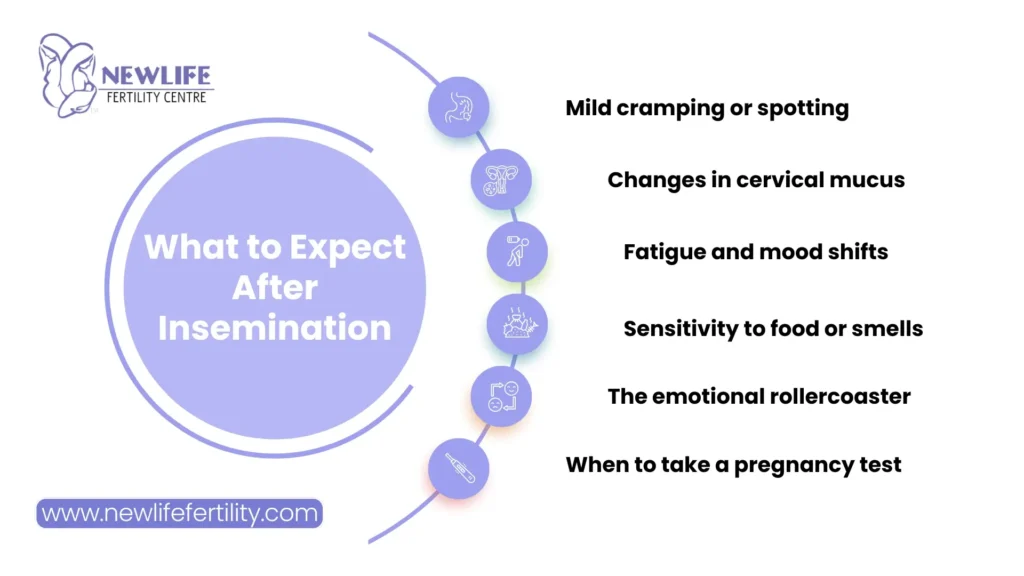
Once the insemination process is done, this phase is often called the “two-week wait,” the time between insemination and your pregnancy test. Here’s what you can expect during this delicate yet hopeful period:
Mild cramping or spotting
In some cases, women experience light cramps or a small amount of spotting after insemination or IUI. This usually happens because of the catheter used during the procedure or due to ovulation itself. But don’t worry, because both are completely normal and usually go away within a day or two.
Changes in cervical mucus
You might notice thicker or clearer discharge after insemination. This is a good sign, and it means that your body is preparing for implantation.
Fatigue and mood shifts
Hormonal changes or progesterone supplements might make you feel more tired, emotional, or bloated. Try to get plenty of rest, eat nourishing foods, and listen to your body, because this is your time to slow down and care for yourself.
Sensitivity to food or smells
Although rare so early, some women report mild nausea, breast tenderness, or changes in taste or smell. These may simply be early hormonal changes, not always pregnancy signs, so try not to read too much into every small change.
The emotional rollercoaster
The waiting period can be filled with hope and anxiety. Remember it’s completely okay to feel both. Stay patient, avoid over-analyzing every symptom, and trust your journey.
When to take a pregnancy test
Wait at least 14-15 days after insemination before testing. Testing early might give you a false result, as your body needs time to build detectable hormone levels of hCG (pregnancy hormones).
Till here, we have discussed WHY and WHAT. Now it’s time to see the actual results, and HOW can we improve it?
Success rate of insemination (IUI) in Canada
It’s a harsh reality for us, but the IUI success rate in Canada can vary from person to person, and it truly depends on factors like age, sperm and egg quality, and the reason behind infertility.
And if I give you a short overview of the various data that I have seen over the internet, here they are.
For unexplained infertility
When both partners have healthy fertility reports, the IUI success rate is usually around 7–10% per cycle, and it can rise to 25% when combined with fertility medications.
When one fallopian tube is blocked
The chances of conception can range between 12% and 38%, depending on where the blockage occurs.
In cases of mild male infertility
When sperm count or motility is slightly low, IUI can still be effective with a success rate of nearly 17% per cycle.
According to the age group
- Under 35 years: Around 13% per cycle
- 35–37 years: Around 10% per cycle
- 38–40 years: Around 9% per cycle
- Over 40 years: Around 3–9% per cycle
It’s important to remember that these numbers are just statistics, many couples conceive after a few cycles once the treatment plan is personalized.
However, if IUI doesn’t bring the expected results, your fertility specialist may recommend IVF as a next step, especially in cases of severe endometriosis, blocked tubes, or low sperm count.
Foods and habits that support insemination

Post insemination, your body needs care, calmness, and the right fuel to support implantation. You don’t have to do anything complicated, just follow a few gentle habits that help your body stay balanced and ready.
Eat balanced meals
Include fresh fruits, green vegetables, protein-rich foods like eggs or lentils, and whole grains. These foods help your body make healthy cells and support a strong uterine lining.
Avoid caffeine, alcohol, and smoking
These can affect blood flow and hormone balance. Even a small change, like switching to herbal tea or cutting down on coffee, can make a big difference.
Stay positive and calm
Stress can quietly impact how your body works. Try to stay relaxed, listen to soft music, take a short walk, or practice deep breathing. A calm mind helps your body feel safe and supported.
Remember: A healthy body and a peaceful mind together create the best environment for a new life to begin.
My IUI journey: How insemination turned my hope into reality

When I first started this journey, I was scared. Not just of needles or medicines, but the thought of what if things wouldn’t work out for me.
Month after month, my partner and I kept trying. Each time felt like waiting for a miracle that just wouldn’t come. I still remember sitting by the window one afternoon, watching kids playing outside with their parents, and quietly asking myself:
“Why is it so easy for others but so hard for me?”
But over time, I realized, it’s not about how fast you reach the destination. It’s about believing that one day, you will.
That’s when I came across NewLife Fertility Centre.
They didn’t just offer treatments, they offered hope.
Every doctor and every nurse treated me with kindness, patience, and understanding, like a family member. They explained every step so clearly that even the scariest moments felt lighter to me.
And I still remember the day when I jumped over my hubby just after witnessing those two pink lines. I cried not because the wait was over, but because I had finally found strength in my journey.
If you’re walking this same path, please remember: you’re not alone.
Every small step, every quiet prayer, and every heartbeat of hope brings you closer to your dream.
And if you’re ready to take your next step, I truly encourage you to book a free consultation with NewLife Fertility, because sometimes, the right support makes all the difference.
Frequently asked questions about intrauterine insemination (IUI)
In general, people used to get confused between insemination and IVF, but both are different.
In insemination (IUI), sperm from a desired male partner is directly placed inside the uterus of a female body, allowing them to fertilize naturally inside the body. It’s simpler, less invasive, and closer to natural conception.
Whereas in IVF (in vitro fertilization), fertilization happens outside the body in a lab. And once an embryo is formed, it is placed back into the uterus of a desired female body. IVF is usually chosen for more complex fertility conditions.
As we have already discussed in detail in our blog, after insemination, it’s best to avoid heavy exercises, lifting weights, smoking, or drinking alcohol, and try to rest, stay hydrated, and focus on gentle movement or light walks. While doing that, we also have to practice keeping a calm and positive mindset, which can also support implantation naturally.
According to most of the gynecologists, it’s best to wait around 14-15 days right after the insemination process has been done before taking a pregnancy test. Whereas testing too early might give false results because of fertility medications or hormone levels. And maintaining patience during this time helps you get the most accurate outcome.
According to most of the gynecologists, the early possible signs include mild cramping, tender breasts, fatigue, mood changes, or light spotting. However, these can also be due to hormones after treatment, so don’t rely on symptoms alone. Always confirm with a test or your doctor after two weeks.
Yes, definitely, as in my case, where the sperm count of my partner is less, of course, due to the age factors! But with the help of insemination or IUI, the doctors directly placed the sperm of my partners inside my uterus and reduced the distance that sperm must travel to reach the egg and improved the chances of fertilization, and by God’s grace, we are parenting our little kid. However, in severe cases, IVF may be a better option.
It’s my personal experience that I have already shared. At NewLife Fertility Centre, expert doctors guide you through each and every step, from tracking ovulation to performing insemination at the perfect time. Their compassionate team ensures emotional comfort and personalized plans, helping couples feel supported throughout their conception journey.