You’ve made it this far. You’re not leaving anything to chance.
You’ve been through the injections.
The monitoring appointments.
The egg retrieval.
The nerve-wracking fertilization updates.
The waiting.
And now you have embryos frozen and waiting for you.
Your transfer is coming up.
And naturally, being the thoughtful person you are, you went on Google.
Maybe not the most calming decision.
Because the internet can take you from “okay, I’ve got this” to completely overwhelmed in minutes.
CoQ10. DHEA. NAC. vitamin D. Omega 3. Melatonin. Selenium. Inositol.
It starts to feel like you need a pharmacy degree just to prepare for a transfer.
And then the questions start:
Am I missing something?
Is there one supplement that could make the difference?
What if I take the wrong thing?
Take a breath.
That feeling, the mix of hope, anxiety, and wanting to do everything right, is exactly why you’re here.
And this blog is here to make it simple.
No hype. No false promises. No long, confusing list.
Just clear, honest, doctor aligned guidance on what supplements may support your body before a frozen embryo transfer, and why.
By the end, you’ll feel prepared, not overwhelmed.
Let’s start.
Do supplements really help before a frozen embryo transfer?
Tbh with you, they can support but they cannot guarantee.
And anyone who tells you otherwise is likely oversimplifying things.
Let me paint a real picture.
A frozen embryo transfer is a delicate process. For it to succeed, a few things need to come together:
- Your uterine lining needs to be thick, healthy, and receptive.
- Your hormonal balance needs to be stable.
- Your body’s overall environment needs to be supportive.
Certain supplements, when taken correctly and at the right time, may help support these areas.
Note, I’ve mentioned support, not guaranteed.
Because they do not replace your medications. They do not override your protocol. They do not work miracles.
Think of it this way.
Your clinic’s protocol is the foundation. Supplements are the extra care you give the soil before planting a seed. You cannot force growth, but you can create a more supportive environment.
“So, are they worth taking?”
For many women, yes, especially the well researched and commonly recommended ones. When you have come this far, supporting your body in small, meaningful ways can make sense.
“Even if I am already on medications?”
Yes. Supplements and medications serve different roles.
That said, always check with your doctor or fertility nurse before starting anything.
Best supplements for frozen embryo transfer that you can consider
Let’s get into it.
These are the supplements most commonly recommended by fertility specialists and supported by research. None of these are miracle workers. All of them have a role to play.
Folic acid (or a prenatal vitamin)
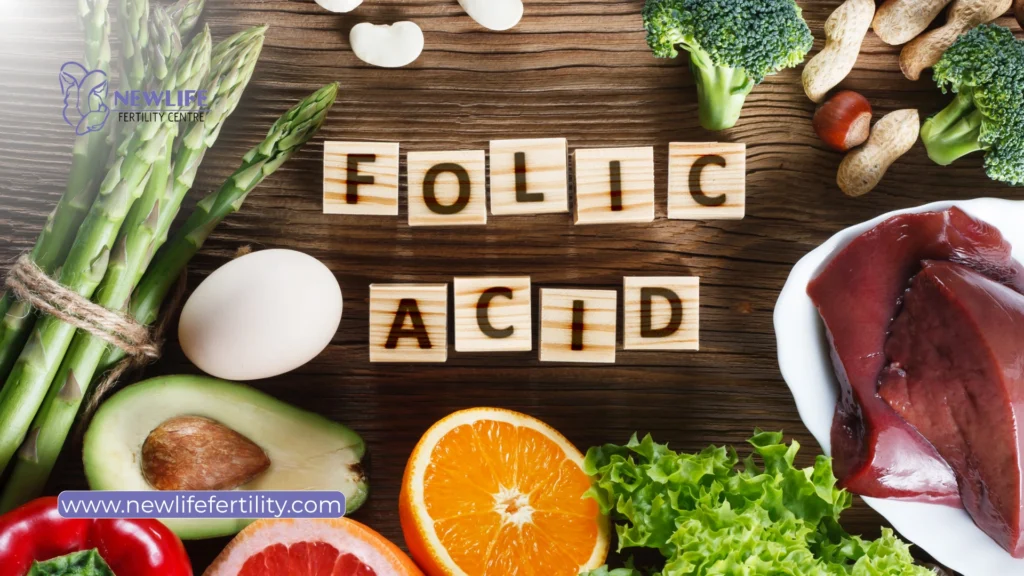
If there’s only one thing you take before your FET, make it a good prenatal vitamin, or at minimum, folic acid.
Why?
Folic acid (vitamin B9) supports healthy cell division and the early development of the neural tube, the structure that becomes your baby’s brain and spine.
It’s one of the most well-researched, universally recommended supplements in pregnancy and fertility care.
Most prenatal vitamins include folic acid alongside other essentials like iron, iodine, vitamin D, and B12 which make them a solid all-in-one starting point.
Standard recommendation:
400–800 mcg of folic acid daily. Some women with specific genetic variants (like MTHFR) are recommended methylfolate instead. Check with your doctor.
When to start:
Ideally at least 1-3 months before transfer, and continue through pregnancy.
Vitamin D
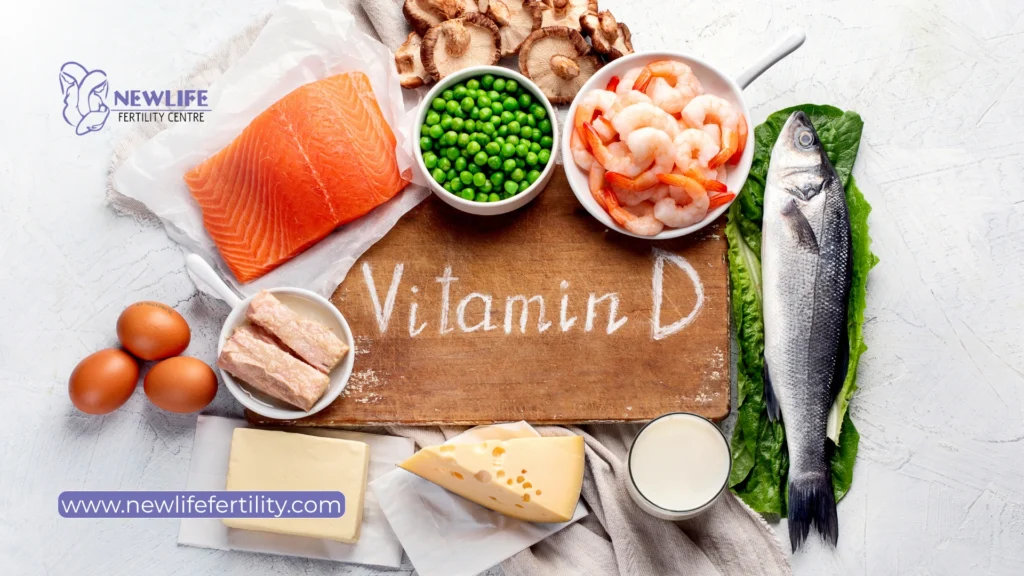
Vitamin D deficiency is incredibly common.
And studies suggest that optimal vitamin D levels may support uterine receptivity and immune function, both of which matter during implantation.
Some research has shown that women with sufficient vitamin D levels may have higher implantation and clinical pregnancy rates in IVF cycles compared to those who are deficient.
That is worth paying attention to.
“How do I know if I’m deficient?”
A simple blood test can tell you. It is worth asking your doctor about this at your next appointment.
Typical recommendation:
Around 1000 to 2000 IU daily, but the exact dose depends on your blood levels, so let your doctor guide this.
Omega-3 (fish oil)
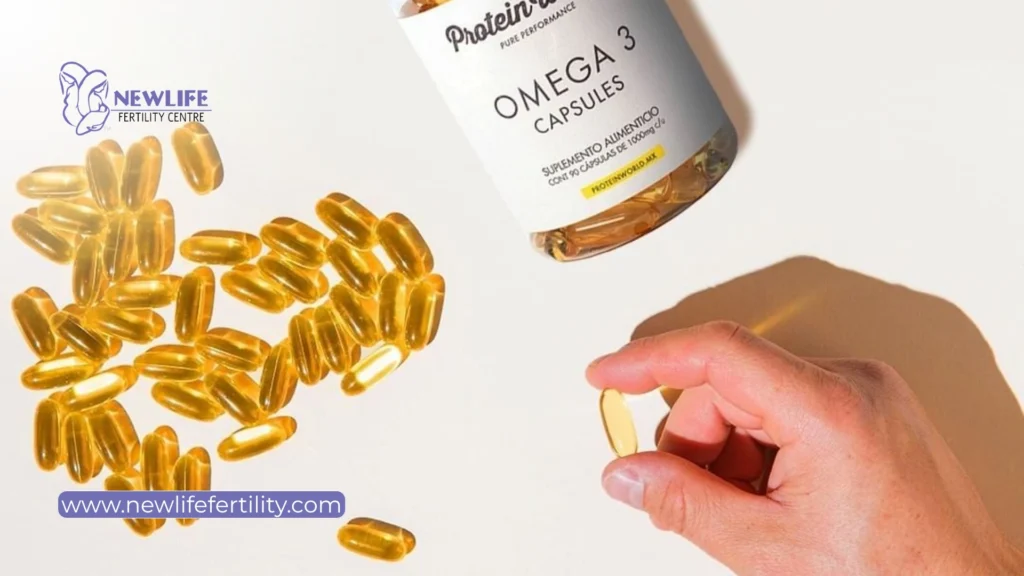
Omega 3 fatty acids, found in fish oil, play a role in reducing inflammation in the body.
During FET preparation, they may support:
- Blood flow to the uterus
- A healthy uterine environment
- Hormonal balance
Some studies also suggest omega 3 may help with endometrial thickness, which is important for implantation.
Typical recommendation:
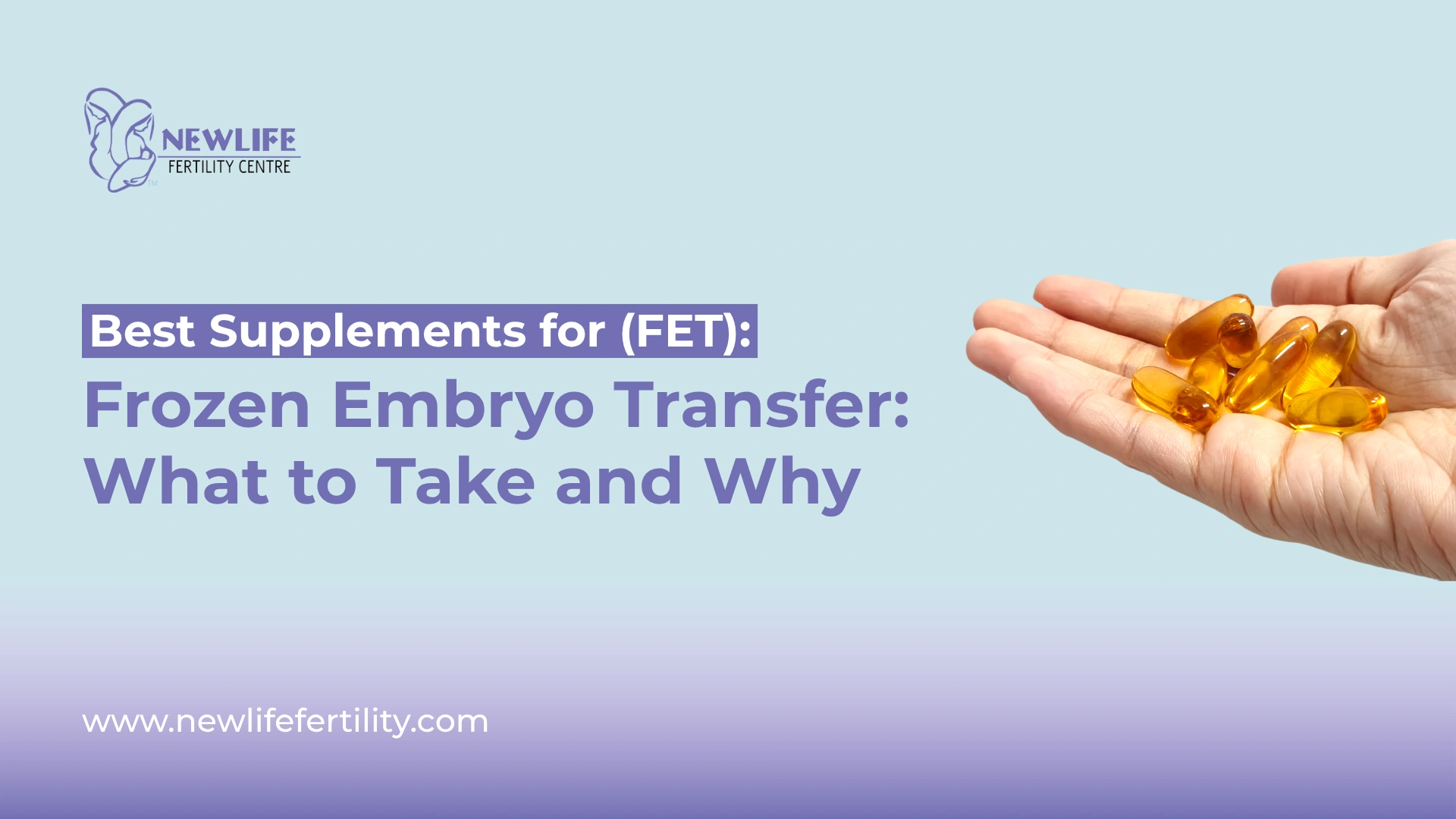
Around 1000 to 2000 mg daily. Look for EPA and DHA on the label.
If you prefer plant based options, algae based omega 3 is a good alternative.
CoQ10
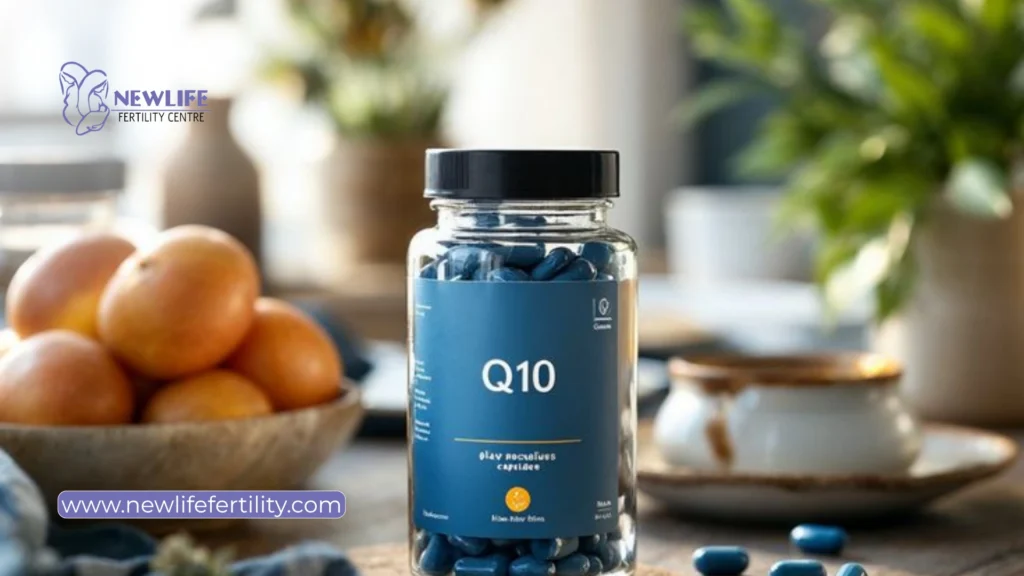
CoQ10, or Coenzyme Q10, is often talked about in fertility discussions.
For this supplement my honest review is 👇
CoQ10 is mainly known for supporting egg quality, not implantation. Its biggest impact happens during the egg stimulation phase before retrieval.
If your embryos are already frozen, CoQ10 will not change their quality.
However, it is a strong antioxidant and supports cellular energy. Some fertility clinics in Canada still recommend it during FET preparation for general support.
Verdict:
Check with your doctor. If they recommend it for your case, you can consider it. If not, there is no need to stress about adding it.
Iron (if you’re deficient)
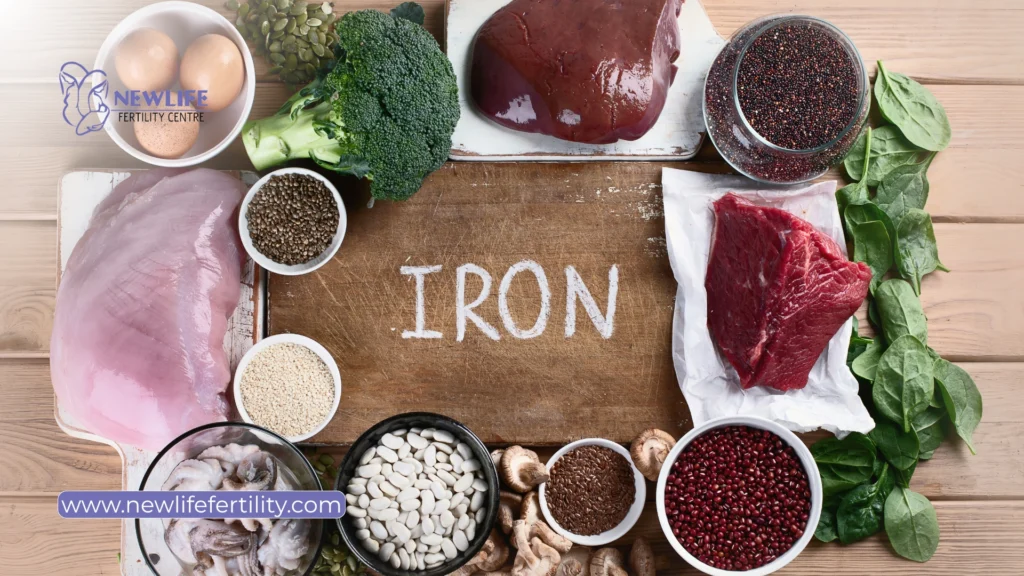
Iron deficiency is more common than many people realize.
Low iron levels can affect energy, oxygen transport, and overall cellular health, all of which matter when your body is preparing for pregnancy.
“But I eat well. Could I still be deficient?”
Yes. Many women have mild deficiency without knowing it.
Your prenatal vitamin may include iron, but if your levels are low, your doctor may suggest additional supplementation.
Important:
Do not self supplement high doses of iron. Too much can be harmful. Always follow your doctor’s advice.
Vitamin E
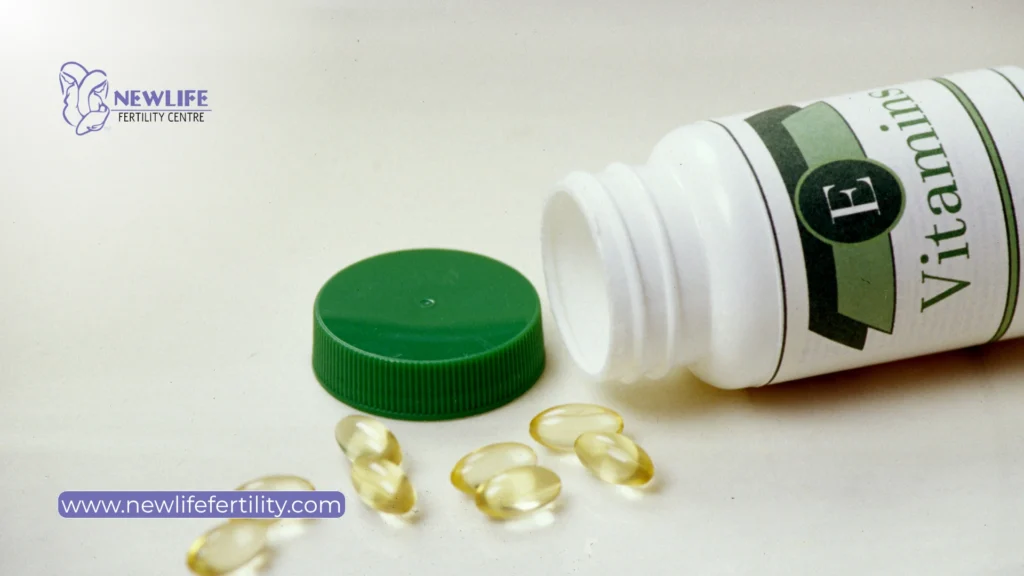
Vitamin E is an antioxidant sometimes used to support uterine lining.
Some small studies suggest it may help improve endometrial thickness, which plays a role in implantation.
It is not universally recommended. Some clinics include it, others do not.
Verdict:
A low dose, around 100 to 200 IU, is generally considered safe, but check with your doctor before adding it.
L-arginine and others (proceed with caution)
You may come across other supplements like L-Arginine, DHEA, melatonin, NAC, and inositol.
Some have emerging research. Some are useful only in specific medical situations. Some have limited evidence.
Let me share a simple rule that you can follow:
If your doctor has not recommended it, do not add it just because you saw it online.
More is not always better. Taking too many supplements can interfere with medications and may do more harm than good.
If you are curious about any supplement, bring it up with your clinic. That is the safest and smartest way to decide.
When should you start taking supplements before FET?
Timing matters.
Here’s a simple way to think about it.
1 to 3 months before transfer
This is ideal for foundational supplements like folic acid or a prenatal vitamin, vitamin D, and Omega 3. It gives your body enough time to build levels and benefit properly.
4 to 6 weeks before transfer
If you are starting now, that is still absolutely fine. You can still get meaningful support during this window.
Less than 2 weeks before transfer
Focus on the basics like prenatal and vitamin D. Avoid adding too many new supplements at once. That can create more confusion than benefit.
Most fertility specialists recommend continuing your prenatal vitamin and folic acid through the first trimester and often throughout pregnancy.
“Can I continue these after the transfer?”
Yes, in most cases you should. Your doctor will guide you on exactly what to continue after your transfer.
Supplements you should be careful with before your FET
This section is just as important as the rest.
The supplement world often presents itself as harmless. “It’s natural, so it can’t hurt.”
That is not always true.
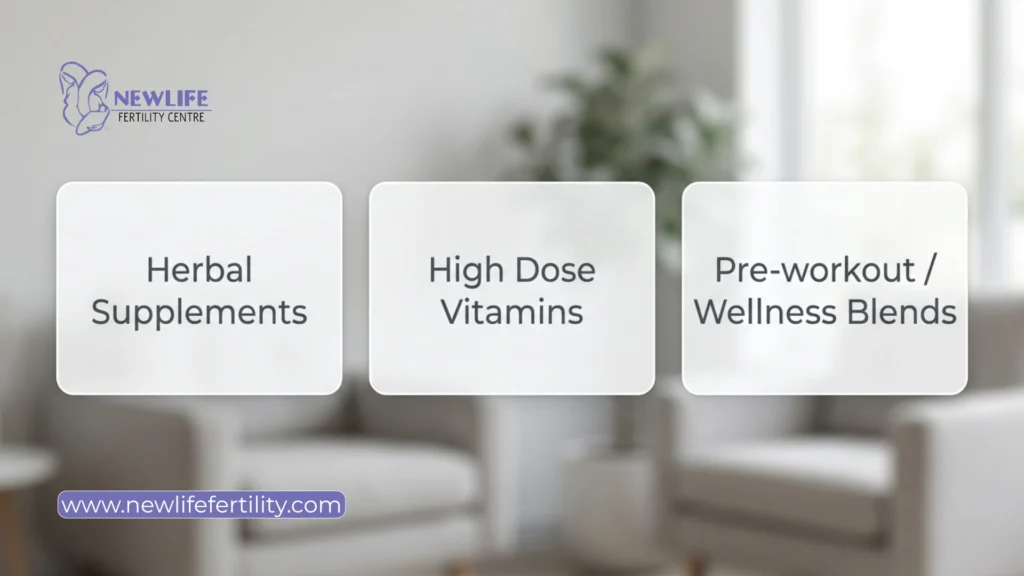
Herbal supplements
Things like red clover, vitex (chasteberry), black cohosh, and evening primrose oil can interact with fertility hormones and medications. Many clinics recommend avoiding these during a treatment cycle.
If you are taking anything herbal, let your doctor know, even if it feels harmless.
High dose vitamins
Taking very high doses of single vitamins can be risky. For example, too much vitamin A can be harmful in early pregnancy. Fat soluble vitamins like A, D, E, and K build up in the body, so excess intake can become a problem.
Pre workout and wellness blends
These often contain hidden herbs or stimulants. It is best to avoid them unless you know exactly what is in them.
Remember, the most important rule is always review your full supplement list with your fertility doctor or nurse before starting anything. Every supplement. No exceptions.
Supplements vs diet. What matters more for you before FET?
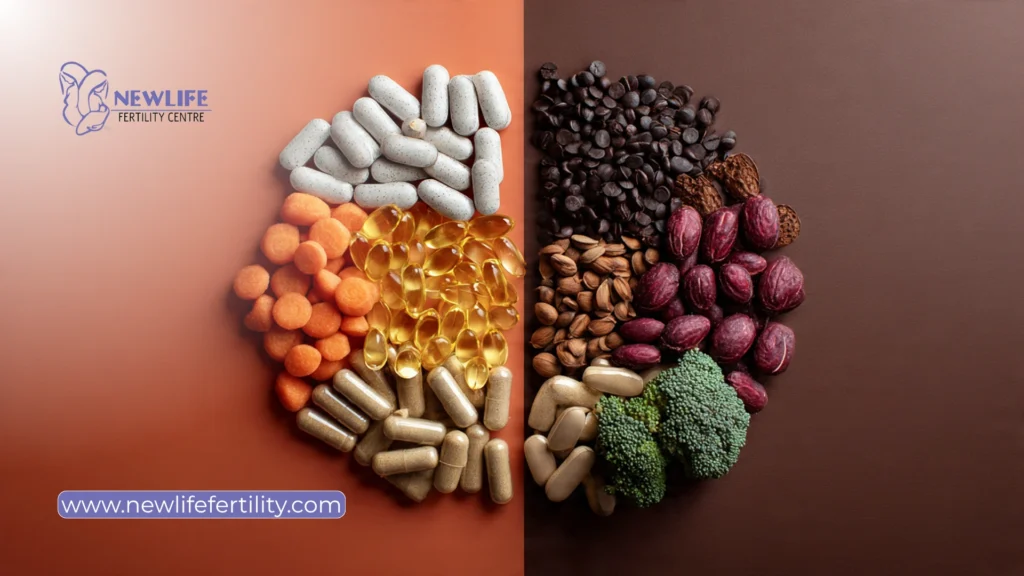
Tbh, no supplement will make up for a poor diet.
Food comes first. Always.
A diet rich in whole foods, lean proteins, vegetables, healthy fats, whole grains, and antioxidant rich fruits, does more for your uterine environment than any stack of supplements.
Think of supplements as support for an already strong foundation.
Not a shortcut.
If your diet is good, supplements can add a helpful boost.
If your diet needs work, improving that will have a bigger impact than adding more supplements.
“So I should focus on food more than supplements?”
Yes. Ideally, you want both. But food is the foundation you cannot skip.
A Mediterranean style approach, including olive oil, fatty fish, nuts, legumes, leafy greens, and whole grains, has some of the strongest support when it comes to fertility and reproductive health.
A simple supplement routine you can follow before your FET

You do not need a complicated plan. You need a simple daily habit.
Here is a routine that works for many women preparing for FET:
Morning (with breakfast):
→ Prenatal vitamin with folic acid, iron, iodine, and B12
→ Vitamin D, usually 1000 to 2000 IU or as advised by your doctor
Evening (with dinner):
→ Omega 3 or fish oil, around 1000 mg
That is it.
Simple. Clear. Consistent.
If your doctor has recommended additional supplements for your situation, like Vitamin E, CoQ10, or iron, you can add those based on their guidance.
“Is this really enough?”
For many women preparing for a standard FET, yes. The core three, prenatal, Vitamin D, and Omega 3, cover the basics.
Following this consistently for 1 to 3 months before your transfer matters far more than adding multiple supplements at the last minute.
Do supplements improve your FET success rate?

You deserve a straight answer to this.
No supplement has been proven to guarantee or significantly increase FET success rates in large, well controlled human trials.
That is the honest truth.
What certain supplements may do is:
- Correct nutritional deficiencies that could be working against you
- Support a healthier uterine lining
- Reduce oxidative stress and inflammation
- Help create a more supportive internal environment for transfer
Think of it less as taking supplements to succeed and more as removing any nutritional obstacles so nothing is working against you.
That shift in thinking matters.
Because focusing too much on supplements can create unnecessary stress. And stress is not helpful during this time.
What does help is doing the basics well, following your doctor’s guidance, and taking care of your body and mind consistently.
Now that you know the best supplements for frozen embryo transfer, what’s right for you?
By now, you probably realize this is not about taking more supplements. It is about taking the right ones, at the right time, for your body.
You have already done a lot to reach this stage. This part is about supporting your body, not stressing over it.
Keep it simple. Stay consistent. Follow your doctor’s guidance.
And if you still feel unsure about what you should or should not take, that is completely okay.
At NewLife Fertility, we help you make sense of your reports, your supplements, and your next steps so you feel clear and confident going into your transfer.
👉 Book a free consultation with us and get a plan that actually fits you.
FAQs about best supplements for frozen embryo transfer
The most commonly recommended supplements for FET are a prenatal vitamin with folic acid, Vitamin D, and Omega 3. These support cell development, uterine receptivity, and blood flow. Some clinics may also suggest Vitamin E or CoQ10 based on your situation. Always confirm with your doctor.
Start with the basics: a prenatal vitamin, Vitamin D, and Omega 3. These are the core frozen embryo transfer supplements most doctors recommend. Additional supplements depend on your reports and should be doctor guided.
Folic acid, Vitamin D, and sometimes Vitamin E are the key vitamins. Together, they support early cell development, uterine health, and implantation environment.
Yes. Vitamin E, Omega 3, and Vitamin D are often associated with better uterine environment and blood flow. They support the lining but do not directly fix underlying issues.
Vitamin E and Omega 3 are commonly discussed for this. L-Arginine may also be used in specific cases, but only under medical supervision.
Vitamin D is one of the most researched for implantation. Folic acid supports early development, and Omega 3 helps create a healthier uterine environment.
Yes. Prenatal vitamins are the foundation. They combine folic acid, iron, iodine, Vitamin D, and B12 in one place, covering your essential needs before transfer.
Prenatal vitamins, Vitamin D, and Omega 3 are the most recommended. CoQ10 and Vitamin E may be added depending on your condition.
They can support the process but not guarantee it. Supplements help improve internal conditions, not directly cause implantation.
They can support your body by correcting deficiencies and improving the overall environment. They do not replace your treatment or guarantee results.
Not always. It mainly supports egg quality before retrieval. Some doctors still recommend it for antioxidant support, but it is not essential for everyone.
Basic supplements like prenatal vitamins, Vitamin D, and Omega 3 are generally safe. Herbal supplements and high doses should always be checked with your doctor.
In most cases, you continue them through transfer and into early pregnancy. Follow your doctor’s guidance before making any changes.
Not directly. They may support your body and remove nutritional gaps, but your protocol, embryo quality, and uterine health are the main factors.